To become more alert, we habitually drink a strong cup of tea or coffee. The effect is obtained thanks to the substance contained in the drinks: caffeine.
What is caffeine?
Caffeine is an alkaloid present in tea leaves (up to 4%), coffee seeds (up to 2%), kola nuts (up to 6%), cocoa beans (up to 4%).
As we can see, this material is very widespread in nature. For medical purposes, caffeine is obtained synthetically.
From a medical point of view, caffeine is a classic psychomotor stimulant that:
- affects the nervous system;
- reduces the feeling of tiredness;
- increases mental activity.
Effects of caffeine on the nervous system

The “exciting” effect of caffeine is linked to its ability to block the mediating receptors that inhibit adrenaline in the central nervous system. Caffeine reduces the sensitivity of nerve cells to adrenaline and therefore causes an exciting effect.
Caffeine also has the ability to provide a direct arousal effect. Like other methylxanthines (methylxanthine), blocks an enzyme that limits the transmission of nerve impulses to the cell, so any exciting signal begins to act more strongly on the nerve cells.
At the beginning of this century caffeine was used in large doses to cause symptoms of mental illness.
Caffeine “excites” not only the central nervous system, but also the vegetative one (irritating the nerves of internal organs): increased heart rate and strength, increased secretion of gastric juice, increased sweating, increased body temperature, etc.
Although caffeine stimulates vasoconstriction-releasing factor, it also has diuretic properties, which prevents increases in blood pressure.
Caffeine also has the ability to “break down subcutaneous neutral fat” and increase the composition of fatty acids in the blood. An increase in sugars and fatty acids in the blood is one of the reasons for the appearance of energy and a feeling of alertness. When fatty acids enter the blood, they cause increased heat release and an increase in body temperature.
More facts about caffeine
- Due to its ability to mobilize sugar from glycogen stores and fatty acids from the subcutaneous fat layer, tea eliminates the feeling of hunger and has a warming effect.
- Coffee seeds contain much less caffeine than tea leaves. The more stimulating effect of coffee is explained by the large amount of coffee used to prepare the drink.
- There is very little caffeine in cocoa beans. Cocoa and chocolate, made from cocoa beans, have almost no stimulating effect, but contain a lot of fat.
- There is a lot of caffeine in kola nuts. In total, there are about 125 species of kola bushes. Kola nuts are decaffeinated and contain cocaine.
Negative effects of caffeine
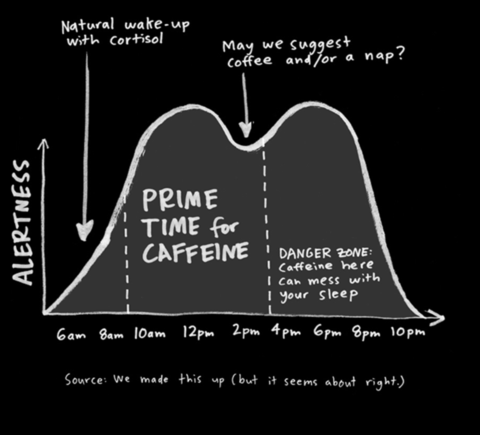
After consuming drinks containing caffeine, well-being improves, a feeling of alertness appears, muscle processes and the sphere of movement are activated, so caffeine consumed at the wrong time can have a negative effect on rest.
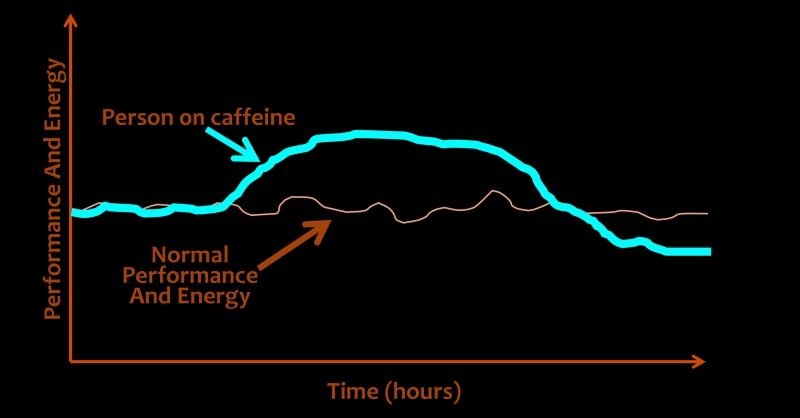
Extensive research on the effectiveness of caffeine has shown that concentration and muscle strength increase after a single use. However, at that moment the need for oxygen increases, which already negatively affects the heart muscle. The blood vessels of the heart can not always supply oxygen to the heart, high temperature transport deteriorates, but cold transport improves. This is caused by a sudden increase in the intensity of metabolism.
Caffeine somewhat reduces blood contraction, increases urine production and activates oxidation processes. At that moment glycogen degradation increases. Its reserves in the liver and muscles decrease. Blood vessels in the brain, skeletal muscles, heart, and kidneys expand. Increased breakdown of glycogen causes an increase in blood sugar.
Long-term caffeine use
Continuous and long-term use of caffeine, which blocks the inhibitory receptors that trigger the response, influences the formation of new receptors and greater synthesis of adenosine quantity than it should be.
After such changes, the excitatory effect of caffeine on the central nervous system decreases. A habit develops that already requires higher doses of caffeine consumption to achieve the same stimulating effect. The sudden withdrawal of caffeine, used for a long time, leads to the fact that adenosine replaces all receptors. Strong inhibition occurs in the central nervous system. Indifference, general depressed mood, drowsiness, nervous depression appear. Chronic caffeine consumption depletes the nervous system. A slowdown of thought processes, a weakening of willpower and a lack of confidence in one’s own strength develops.
Excessive consumption of caffeine leads to the formation of physical and mental dependence on this substance. Gradually a habit develops that requires increasingly stronger preparations of the drink. Discontinuation of the use of caffeinated drinks causes drowsiness and weakness, the inability to think productively, which is a consequence of hyperactivity of braking mechanisms in the central nervous system.
Since caffeinated drinks remove vitamin B1 (thiamine) from the body, it is recommended to supplement your diet with a sufficient amount of this vitamin.
It is recommended to consume up to 400 milligrams of caffeine per day (3-4 cups of coffee or 10 cups of tea). Too much caffeine promotes feelings of anxiety and can lead to serious heart problems. Pregnant women are recommended not to exceed 200 milligrams of caffeine per day.
Why shouldn’t you drink coffee or other caffeinated beverages after meals?
Caffeine has the property of increasing the secretion of gastric and intestinal juices, which suddenly strengthens the intestine peristalsis. The movement of food in the Scandi’s intestinal tract is accelerated. Food does not have time to be fully digested, putrefaction and fermentation processes develop in the intestine. The protein components of the food begin to foam and the carbohydrates to sour. For this reason you should never take food with tea or coffee.
These drinks should be taken separately, at least one hour before the main meal. Although even in this case the movement of food in the stomach will be accelerated.
Conclusion
Enjoy the benefits of caffeine, but to get the full benefits of caffeine, use it in moderation!
latest posts published

Protein for athletes: TOP questions and answers

What is cardio?

How to lose weight and lose weight correctly?

benefits and possible harms

Exercises for shoulder muscles
Creatine monohydrate: use, suggestions and observations

Health Benefits of L-Carnitine and Other Benefits

Muscle Strength Training (Mike McErlane)

Weight loss: how to get rid of fat?