What to eat before and after training? This is probably one of the most common questions we receive from our athletes. I would say there is no right answer, but in this article I will share some general guidelines to help you decide for yourself what works best for you!
Food gives us more than a feeling of satiety: it provides our body with the energy necessary for training and subsequently contributes to muscle recovery and tissue regeneration processes.
Carbohydrates are the main source of energy
The intensity and duration of training determine which main nutrient is used for energy, but carbohydrates (glucose) are the primary and most important energy source for our muscles. The body can absorb it directly from the blood, but prefers glucose present in the muscles, which is stored there in the form of glycogen. The body can also obtain energy from fat, but only if the training intensity is low and the exercise is long, such as slow, long running or medium-speed cycling. So, to make the most of your time in the gym and achieve great results, it is important to ensure that your muscle glycogen stores are optimally replenished.
In general, the daily diet should be balanced and enriched with complex carbohydrates such as brown rice, rye bread, cereals and lentils, sweet potatoes. Complex carbohydrates are very nutritious, contain many vitamins, minerals and fiber and are digested more slowly in the body, so we get energy from them little by little.
Before training: fast-absorbing carbohydrates
However, before training, it is worth choosing easily and quickly absorbable carbohydrates, so that our stomach is not burdened by years of sports and we feel full of strength and energy. The less time remains before the start of training, the simpler carbohydrates should be chosen.
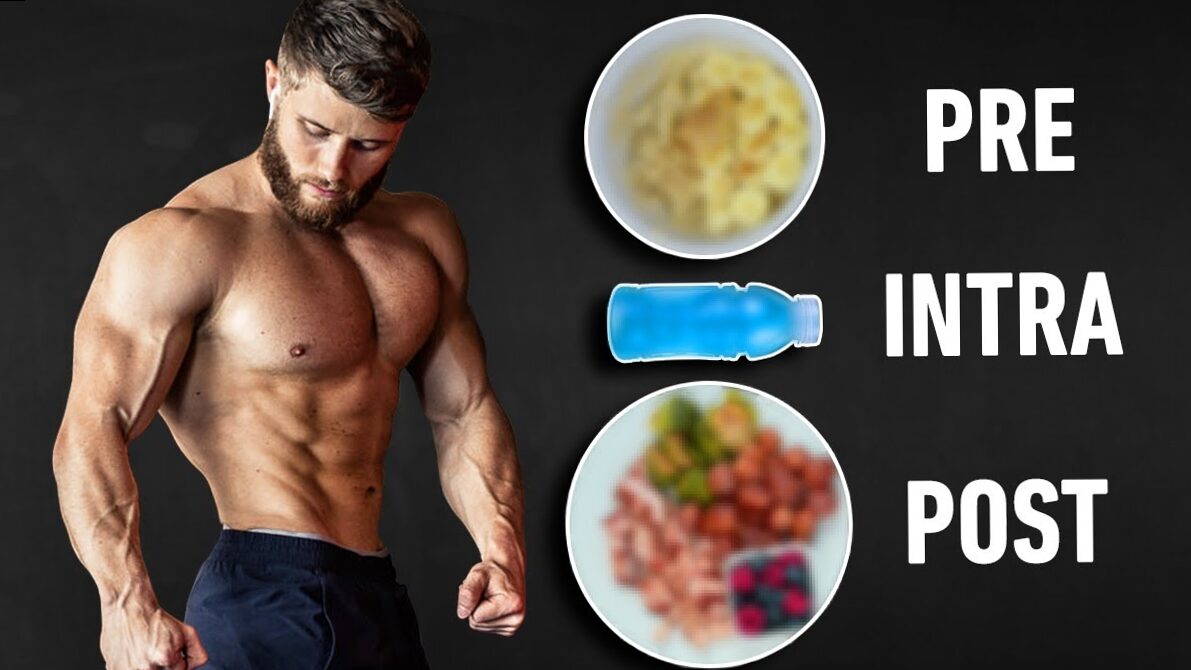
> 3-4 hours before the start of your workout, choose a large, balanced meal consisting of complex carbohydrates, proteins and healthy fats. For example, salmon/chicken with brown rice, salad and avocado.
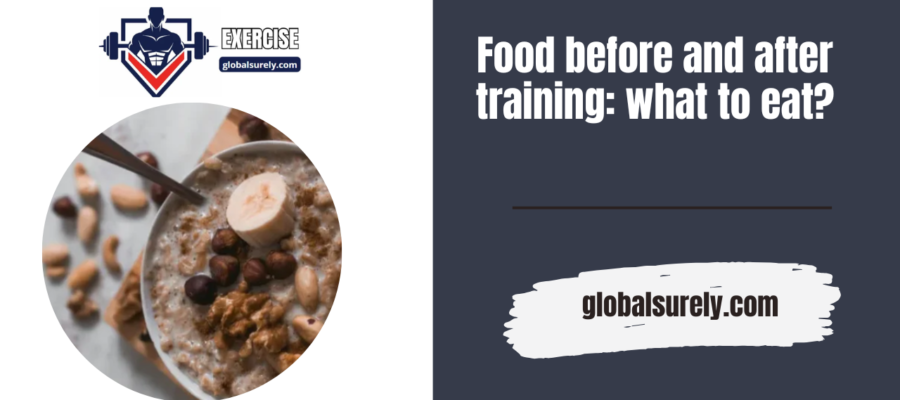
> 1-2 hours before the start of your workout, choose a snack of easily digestible carbohydrates with a little protein. For example, oatmeal with banana, Greek yogurt and maple syrup.
> Less than an hour before the start of your workout, choose carbohydrates that are easily digestible and quickly absorbed. For example, a banana, a granola bar, a spoonful of honey or a sports drink.
To exercise in the morning
If you usually exercise in the morning, there’s really no need to get up earlier and eat something more serious. You should have enough energy for your morning workout if you ate a large, balanced dinner the night before and drank enough fluids. However, if you still want extra energy, you can drink a cup of coffee and/or eat a banana.
What shouldn’t you eat before training?
It is not recommended to consume high-fat foods before training, because fats take longer to digest, can overload the body and therefore reduce training performance. You should also avoid foods high in fiber, such as beans and lentils, or very spicy foods.
What to eat after training?
Post-workout nutrition is critical for quick, efficient recovery and optimal performance during your next workout. It is worth choosing a well-balanced meal with complex carbohydrates and proteins. Carbohydrates will help restore lost glycogen stores in the muscles, while proteins will contribute to muscle regeneration and growth.
Correct nutrition is an essential basis for achieving good sporting results. By choosing easily digestible carbohydrates before training and a balanced meal afterwards, we will have plenty of energy and strength and recover quickly and efficiently before the next training session. It is important to pay attention to your body’s needs and the intensity of your training. Experiment with different foods and see what works best for you.
latest posts published

Protein for athletes: TOP questions and answers
What is cardio?

How to lose weight and lose weight correctly?

benefits and possible harms
Exercises for shoulder muscles
Creatine monohydrate: use, suggestions and observations

Health Benefits of L-Carnitine and Other Benefits

Muscle Strength Training (Mike McErlane)

Weight loss: how to get rid of fat?