

Mobility is a fundamental characteristic of a healthy body. If you can’t freely perform a full range of motion for an exercise, you risk injury by trying to force it. For this reason it is necessary to dedicate sufficient time to increase mobility before or after training. Ideally, the development of mobility requires a separate activity that also serves as a means of active recovery after intense physical exertion.
WHAT TO DO IF THERE IS NOT ENOUGH TIME FOR FULL MOBILITY TRAINING?
Even 5-10 minutes of effective daily work to increase or preserve mobility can be of great importance to your progress and results. It’s important to realize that one of the main reasons keeping you from feeling athletic may not be strength, endurance, or speed, but a lack of mobility. If you can’t effectively perform basic movements or maintain the posture required for a particular exercise without feeling pain, you’ll eventually start to feel it outside of the gym. Cultivate or degrade use it or lose it) rule also applies to your mobility. Therefore, performing daily exercises to maintain and increase mobility, which you can learn in Amber CrossFit’s group or individual mobility training sessions, is much easier than regaining this ability.
3 REASONS WHY MOBILITY TRAINING CAN HELP YOU
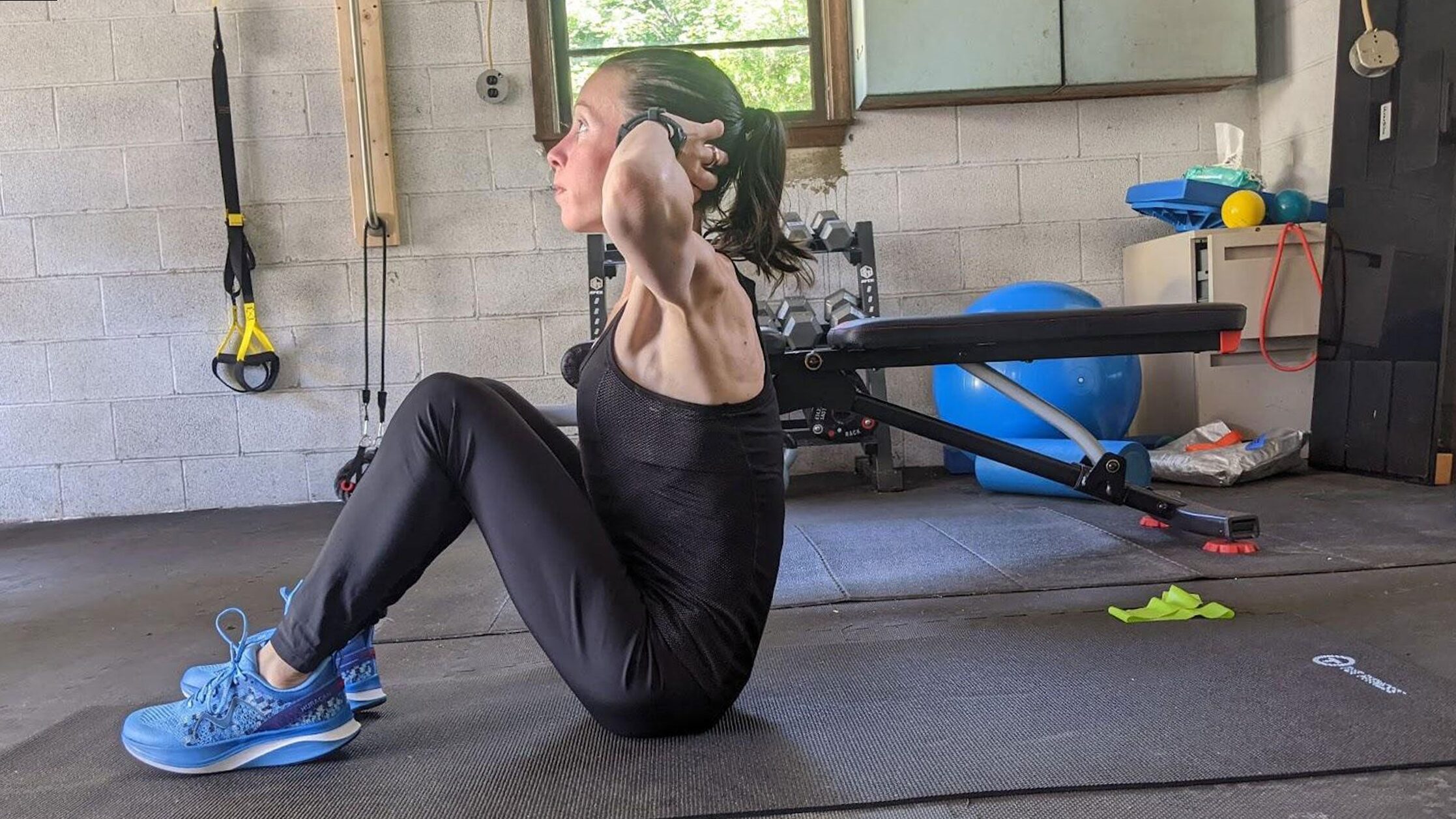
Below are three main reasons why mobility training should be an essential addition to any body care and conditioning training program for anyone who wants to be healthy and active:
- Less chance of injury. Obviously this reason is the most important. Any restrictions on freedom of movement increase the risk of long-term injury. There are some exceptions in professional sports, for example in basketball (especially in the NBA) it is common to tape the ankles, thus reducing the possibility of sprains due to a large amount of sudden movements, often changing the direction of movement. However, the cost of this stabilization is an increased risk of rarer but more serious knee injuries, as excess kinetic energy travels “upward” due to the ankle’s reduced range of motion. Therefore, overall, each joint should be physiologically maximally mobile (ankles, hips, thoracic spine, shoulders) or stable (feet, knees, lower back, shoulders).
- Healthier joints. By performing mobility exercises for a particular joint, you are “warming up” it. This word is used for a reason, because this activates blood circulation in the surrounding soft tissues and the production of synovial fluid in the joints, which facilitates movements. This way our joints are less stressed and last longer.
- Strength training. When you perform a squat or any other exercise with a limited range of motion, you are not using your full strength potential. Therefore, it is first important to learn how to control and maximize strength at the end of the range of motion by performing special mobility training exercises..
WHAT DO YOU NEED TO START MOBILITY TRAINING?
All you need is you: daily practice of automobility does not require much time and additional equipment – it is enough to work with your own body weight. Of course, there are more complex techniques that require a roller, rubber or light weight: dumbbells, kettlebells or pancakes. You can learn them in an Amber CrossFit Mobility class or during a one-on-one session.
A healthy body means longevity and an easier, more comfortable life. You can have it too. Therefore, on my behalf, I invite you to participate in mobility education courses: let’s learn, become stronger and relax together!
conlusion
Mobility is one of the fundamental pillars of a healthy and functional body, yet it is often overlooked in many training routines. While people frequently focus on strength, endurance, or lifting heavier weights, the ability to move joints and muscles through a full range of motion is equally important. Without proper mobility, even simple exercises can become inefficient or potentially harmful, increasing the risk of strain or injury.
When the body lacks sufficient mobility, movements become restricted and compensation patterns begin to appear. For example, if the hips or ankles do not move properly during a squat, the lower back or knees may take on additional stress. Over time, these compensations can lead to discomfort, muscle imbalances, and long-term injuries. This is why mobility training plays a key role in supporting safe and effective physical activity.
Developing mobility requires regular attention and patience. Improving joint flexibility and muscle elasticity is not something that happens instantly; it is a gradual process that develops through consistent practice. By dedicating time to mobility exercises before or after workouts, individuals can gradually increase their range of motion and enhance overall movement quality.
Mobility work performed before training can help prepare the body for exercise. Dynamic movements and joint activation exercises increase blood flow, improve coordination, and allow muscles to respond more effectively during demanding physical activity. When the body is properly prepared, exercises can be performed with better technique and greater efficiency.
After training, mobility exercises and stretching can support recovery. Intense workouts often create muscle tightness and fatigue, which may limit movement if not addressed properly. Gentle stretching and mobility work after exercise can help release tension, improve circulation, and assist the body in returning to a relaxed state.
For many athletes and fitness enthusiasts, dedicating separate sessions to mobility training can be extremely beneficial. These sessions not only enhance flexibility but also serve as active recovery, helping the body recover from previous workouts while maintaining movement quality. Activities such as mobility flows, yoga, or targeted stretching routines can help maintain joint health and prevent stiffness.
In conclusion, mobility is an essential component of a balanced training program. By improving range of motion, supporting proper technique, and reducing the risk of injury, mobility training allows the body to move more freely and efficiently. Whether integrated into warm-ups, recovery routines, or dedicated training sessions, developing mobility helps ensure that strength and endurance can be built on a stable and healthy foundation.
latest posts published

The best bodybuilding exercises to sculpt a stronger physique

Jumper: how to find the one best suited to you? (+ useful tips for choosing)

How to start training and not burn out: a healthy approach to movement and progression
How to build a gym at home

Amber CrossFit × CrossFit OPEN 2026

Is CrossFit training dangerous?

What do you need to know when choosing an exercise ball?

Nutrition for athletes, where to start?

Deadlift: benefits, technique and how to perform it correctly