Spending long hours sitting may seem harmless, but in the long run it causes stiffness, back pain and lack of mobility in the hips.
The human body is made to move, not to sit in front of the screen for eight hours.
A GymMiquelmany of our members arrive with discomfort resulting from an excessively sedentary lifestyle.
For this reason we have prepared this practical guide with simple tips and exercises to regain mobility and avoid pain.
Why does sitting work affect you so much?
When you spend too much time sitting:
- THE hip lock and lose range of motion.
- THE buttocks “fall asleep” and stop carrying out their stabilizing function.
- The back tends to encorbar-segenerating tension in the cervical and lumbar areas.
- Reduces the blood circulation and overall flexibility.
⚠️ In short: the less you move, the more your body “shuts down”.
The good news is that with some daily movement and some specific exercises, you can easily reverse these effects.
Hip mobility: the key to natural movement
The hips are one of the most important joints in the body.
When they lose mobility, other parts such as the knees or back they start to compensate…and the pain appears.
Simple exercises to do at home or in the gym:
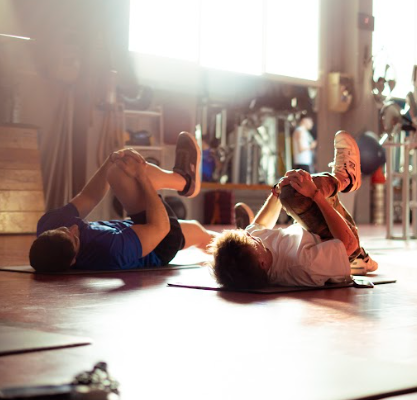
- Hip rotations: 10 circles per leg, at a slow pace.
- Pigeon stretching: opens your hips and releases tension.
- Glute bridge: activates the muscles that remain inactive while sitting.
- Supported squat (deep squat with support): Hold the position for 30-60 seconds to regain freedom of movement.
💡 Do these exercises 5-10 minutes a day and you will notice improvements in a week.
Back more flexible and without stiffness
Working while sitting tends to “close” the back and chest.
This can be reversed with exercises that unlock the column I improve posture
The best exercises:
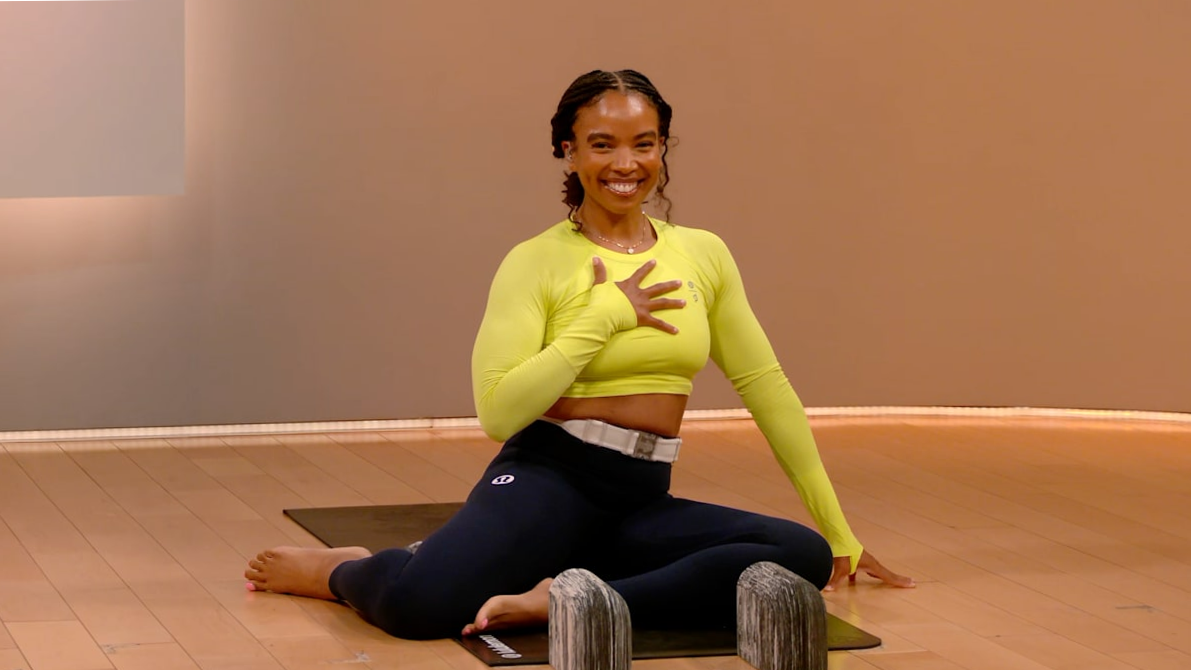
- Cow-cat (gat-vaca): mobilizes the spine and releases lumbar tension.
- Chest stretch with arms extended on the wall or on a chair.
- Trunk rotations sitting or kneeling.
- Iron with slow movements to strengthen the core and improve stability.
🌀 With just 10 minutes of mobility a day, your back regains flexibility and natural strength.
Small habits that make the difference
It’s not just about exercise, but also about adopting daily habits break sedentarism.
- Get up every 45-60 minutes.
Take a few steps or lie down for 1 minute. - Change position often.
You don’t have to stand all day, but alternate positions. - Use an ergonomic chair and adjust the screen to eye level.
- Take advantage of the stairs or walk when you can.
🚶♀️ Movement doesn’t have to be intense, just constant.
How the gym helps you with mobility
Working on mobility isn’t just about stretching: it’s also train strength throughout the full range of motion.
A GymMiquelwe help you improve your posture and flexibility with exercises suited to your level.
Ideal programs:
- Soft functional training.
- Core and stabilization sessions.
- Activation routine for after work.
- Guided stretches to improve overall flexibility.
🧘 “It’s not about doing more physical exercise, but about doing it better and with body awareness.”
The opinion of GymMiquel trainers
“A lot of back and hip pain comes not from injury, but from inactivity.
With a few minutes of daily mobility and proper training, the change is spectacular.”
— Equip the gymMiquel
Conlusion
Spending many hours sitting has become a normal part of modern life. Office work, studying, commuting, and time spent in front of screens often require people to remain seated for long periods. Although this may seem harmless at first, a sedentary routine can gradually lead to stiffness, reduced mobility, and discomfort in areas such as the lower back, hips, and neck. Over time, these effects may accumulate and begin to impact both daily comfort and physical performance.
The human body is naturally designed for movement. Muscles, joints, and connective tissues function best when they are regularly activated through a variety of movements. When the body remains in the same position for extended periods, certain muscles become tight while others become weak. This imbalance often contributes to poor posture, limited range of motion, and increased strain on the spine and surrounding muscles.
One of the most common consequences of prolonged sitting is reduced mobility in the hips and lower back. When the hip flexors remain shortened for many hours, they can restrict natural movement patterns and create tension that spreads to other areas of the body. This tension often leads to discomfort or pain during everyday activities such as walking, bending, or exercising.
At GymMiquel, many members arrive with these types of issues caused by a sedentary lifestyle. However, with the right approach, it is possible to reverse many of these effects. Simple mobility exercises, regular stretching, and short movement breaks throughout the day can significantly improve flexibility and reduce stiffness. By gradually reintroducing movement, the body begins to regain its natural range of motion and balance.
Incorporating small habits into daily routines can make a significant difference. Standing up regularly, walking for a few minutes, performing gentle stretches, or doing light mobility exercises during breaks can help prevent stiffness from developing. These small actions keep the muscles active and encourage better circulation throughout the body.
Structured exercise routines are also highly beneficial for counteracting the effects of prolonged sitting. Strength training, mobility work, and functional exercises help restore muscle balance and improve posture. Over time, these practices strengthen the muscles that support the spine and improve the body’s ability to move comfortably and efficiently.
In conclusion, while modern lifestyles often require long periods of sitting, it is important to remember that the body is built for movement. By incorporating simple exercises, mobility work, and regular activity into daily life, individuals can reduce stiffness, prevent pain, and restore healthy movement patterns. Even small changes can have a powerful impact, helping the body remain flexible, strong, and capable of moving freely.
latest posts published

Protein for athletes: TOP questions and answers

What is cardio?

How to lose weight and lose weight correctly?

benefits and possible harms
Exercises for shoulder muscles

Creatine monohydrate: use, suggestions and observations
Health Benefits of L-Carnitine and Other Benefits
Muscle Strength Training (Mike McErlane)
Weight loss: how to get rid of fat?