
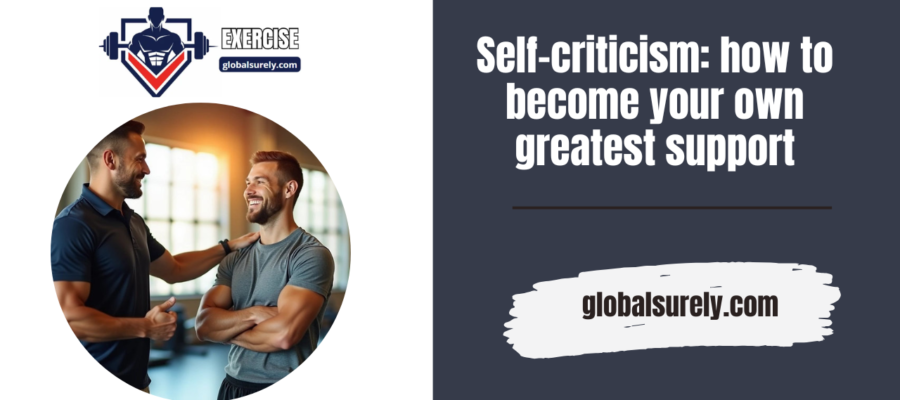
Sports psychology is a rapidly developing field that studies the psychological aspects of sports and physical activity. One of the most important areas examined in sports psychology is self-criticism and its impact on athletes’ performance and mental well-being.
Self-criticism is a negative internal dialogue by which a person evaluates his actions, abilities and qualities. In a sports context, self-criticism can take many forms, such as blaming yourself for mistakes, doubting your abilities, or comparing yourself to others.
Signs of self-criticism in sport
While self-criticism can sometimes be motivating, more often it is harmful and can lead to negative consequences such as:
- Decreased self-confidence
- Increased anxiety and stress
- Decreased motivation
- Depression
- Exhaustion
- Injuries
Strategies for managing self-criticism and developing a positive attitude
Fortunately, there are some strategies athletes can use to reduce self-criticism and become their own biggest advocate:
- Focus on what you can control. Instead of criticizing yourself for things you can’t change, focus on what you can control, like your efforts, attitude, and strategies.
- Use positive language. Instead of negative phrases like “I’ll never do that” or “I’m so stupid,” use positive phrases like “I can learn this” or “I’ll do my best.”
- Identify your strengths and weaknesses. Everyone has strengths and weaknesses. It is important to know and leverage your strengths and use your weaknesses as opportunities for improvement.
- Learn from your mistakes. Everyone makes mistakes. It is important not to be afraid of mistakes, but to learn and improve from them.
- Surround yourself with positive people. The people around you can have a great influence on your thoughts and feelings. Surround yourself with positive, supportive people who motivate you and believe in you.
- Seek professional help. If self-criticism causes you a lot of stress and prevents you from achieving your goals, consult a sports psychologist or other mental health professional.
It’s important to remember that self-criticism is a natural human experience. However, there are ways to manage it and minimize its negative effects. By using the above strategies, athletes can become their own biggest advocates and achieve their goals.
In addition to the strategies above, there are a few other things athletes can do to build their psychological resilience and become their own biggest advocate:
- Practice mindfulness. Mindfulness can help reduce stress and anxiety and increase concentration and attention.
- Set realistic goals. Goals that are too big or unnecessary can lead to frustration and self-criticism.
- Celebrate your successes. It’s important to take time to reflect on your accomplishments and feel good about what you’ve achieved.
- Take care of your physical and mental health. A healthy diet, adequate sleep and regular rest are essential for optimal results and psychological well-being.
- Visualize success. Visualize yourself doing the right things and achieving your goals. Visualization can help increase self-confidence and motivation.
- Have a positive attitude. Believing in yourself and your ability to achieve your goals is very important. Even in difficult situations, maintain a positive attitude and believe you can do it.
Gradually, through these strategies, athletes can change their internal dialogue from negative to positive. This can have a huge impact on their confidence, motivation and ultimately their results.
latest posts published

Protein for athletes: TOP questions and answers

What is cardio?

How to lose weight and lose weight correctly?

benefits and possible harms

Exercises for shoulder muscles
Creatine monohydrate: use, suggestions and observations
Health Benefits of L-Carnitine and Other Benefits
Muscle Strength Training (Mike McErlane)

Weight loss: how to get rid of fat?