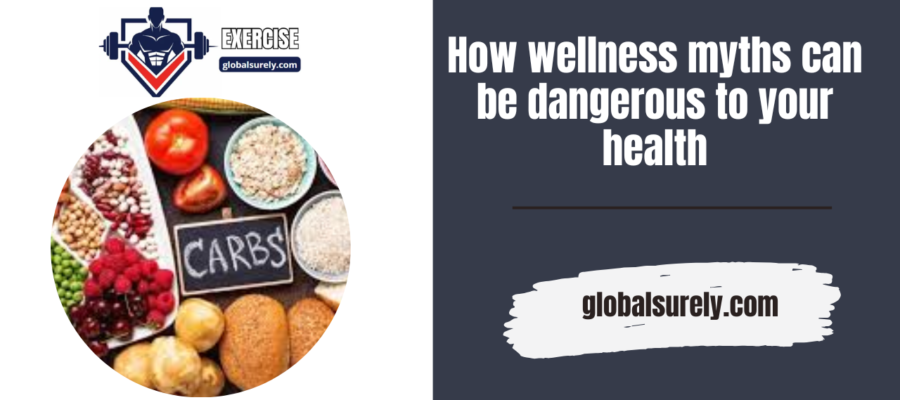
The world of wellness is full of advice that often seems too good to be true. These suggestions, while well intentioned, can be dangerous to our health if we believe them blindly. In this article, we’ll take an in-depth look at the most common health myths, explain why they’re dangerous, and give you tips on how to avoid misinformation.
Health Myths: Dangerous misconceptions that can harm your health
Our body has a natural detox system
One of the most common myths is that our body needs to be regularly detoxified of toxins. The truth is that our liver and kidneys perform this task perfectly. Various detox diets and supplements can not only be useless, but can also be harmful to your health because they may contain dangerous substances or cause nutritional deficiencies.
Not all fat is harmful
For a long time it was believed that all fats were enemies of our health. But today we know that there are different types of fats and some of them are essential for our body. The only problem is when we consume too much saturated and trans fats.
Calories are not created equal
Calorie counting is a popular method for managing weight, but it’s important to understand that not all calories are created equal. Calories from different foods are processed differently in our bodies and can have different effects on our health.
Although calories are basically a unit of energy, it is important to understand that different foods have different nutritional values, even if their calorie content is similar.
- Satiety: 100 calories from avocado and 100 calories from candy will fill your stomach differently. Avocados are full of healthy fats and fiber, which make you feel full longer, while sweets make you feel hungry right away.
- Metabolism: Different foods stimulate different metabolic processes. For example, proteins require more energy to digest than carbohydrates, so they can help you burn more calories.
- Nutrients: Calories from vegetables, fruits, nuts and seeds provide the body with vitamins, minerals and antioxidants essential for good health. Meanwhile, calories from processed foods are often “empty,” meaning they lack important nutrients.
For example, a 100-calorie serving of French fries and a 100-calorie serving of broccoli will differ not only in terms of satiety, but also in terms of the nutrients your body will receive. Potatoes are the main source of carbohydrates, while broccoli is a source of vitamins, minerals and fiber.
A healthy diet is not synonymous with hunger
Many people believe that losing weight requires starvation or very strict diets. However, a healthy diet should be varied, balanced and provide the body with all the necessary nutrients. Starvation can slow your metabolism and cause other health problems.
Natural products are not always safe
Natural products are often thought to be safer than synthetic ones. However, this is not always true. Some natural products can be toxic or cause allergic reactions.
Although the word “natural” is often associated with healthy products, it is important to understand that not all natural products are safe for consumption.
- Toxins: Some plants and fungi produce toxic substances that can be dangerous to your health, even if they grow in their natural environment.
- Allergies: Even non-toxic natural products can cause allergic reactions. For example, nuts, wheat and dairy products are common allergens.
- Contamination: Natural products can be contaminated with pesticides, heavy metals or other harmful compounds.
For example, mushrooms are a natural product, but some types of mushrooms are poisonous and can cause serious poisoning. Furthermore, even edible mushrooms can be contaminated with heavy metals if they grow in a polluted environment.
When choosing food, it is important to consider not only whether the product is natural, but also its nutritional value, safety and potential impact on health. It is always advisable to choose a varied and balanced diet and, if in doubt, consult a specialist.
Juice is not as healthy a choice as healthy vegetables
The juice does not contain fiber, which is important for digestion and satiety. Additionally, some vitamins and minerals may be lost during juice production.
latest posts published

Protein for athletes: TOP questions and answers
What is cardio?
How to lose weight and lose weight correctly?
benefits and possible harms
Exercises for shoulder muscles
Creatine monohydrate: use, suggestions and observations
Health Benefits of L-Carnitine and Other Benefits
Muscle Strength Training (Mike McErlane)
Weight loss: how to get rid of fat?