A normal sports club with gym is an old health concept. The study of emotional and physical health is a concept that has gained momentum during the end of the pandemic. This format became popular when cases of anxiety and depression increased significantly and people realized how fragile emotional health can be and how heavily physical health depends on it. So nowadays, traditional sports alone won’t keep you healthy.
According to the WHO, approximately 1 in 8 people worldwide suffer from mental disorders. And it is assumed that almost everyone suffers from emotional health disorders. Stress has become a constant companion not only in the lives of adults, but also in children. Pace, social media, political background are just some of the factors that unbalance even the strongest bodies.
Stress: where does it come from and what is it for?
Stress can be attributed to carcinogens such as smoking, alcohol and poor diet.
The function of stress is to activate our brain and respond when there is an immediate physiological threat. However, after the evolution of the world, people often experience not real stress, but created stress. We are often negatively influenced by various factors that the body perceives as a threat and activate the production of stress hormones.
Stress can arise while driving, after an argument with a loved one, when a financial burden appears, even simply scrolling through social networks or standing in a long queue. However, stress is also caused by lack of sleep, sugar consumption, processed foods, medications, fatigue, diets, etc.
It therefore seems that stress can accompany us at almost every step.
Where does it lead and what to do?
Our body simply has to respond to stress or what it sees as a threat. As a result, the metabolism deteriorates, the body begins to retain water, pressure increases, the immune system weakens, hormonal activity is disrupted, concentration deteriorates, fat begins to accumulate, and chronic fatigue develops, which can subsequently turn into diseases.
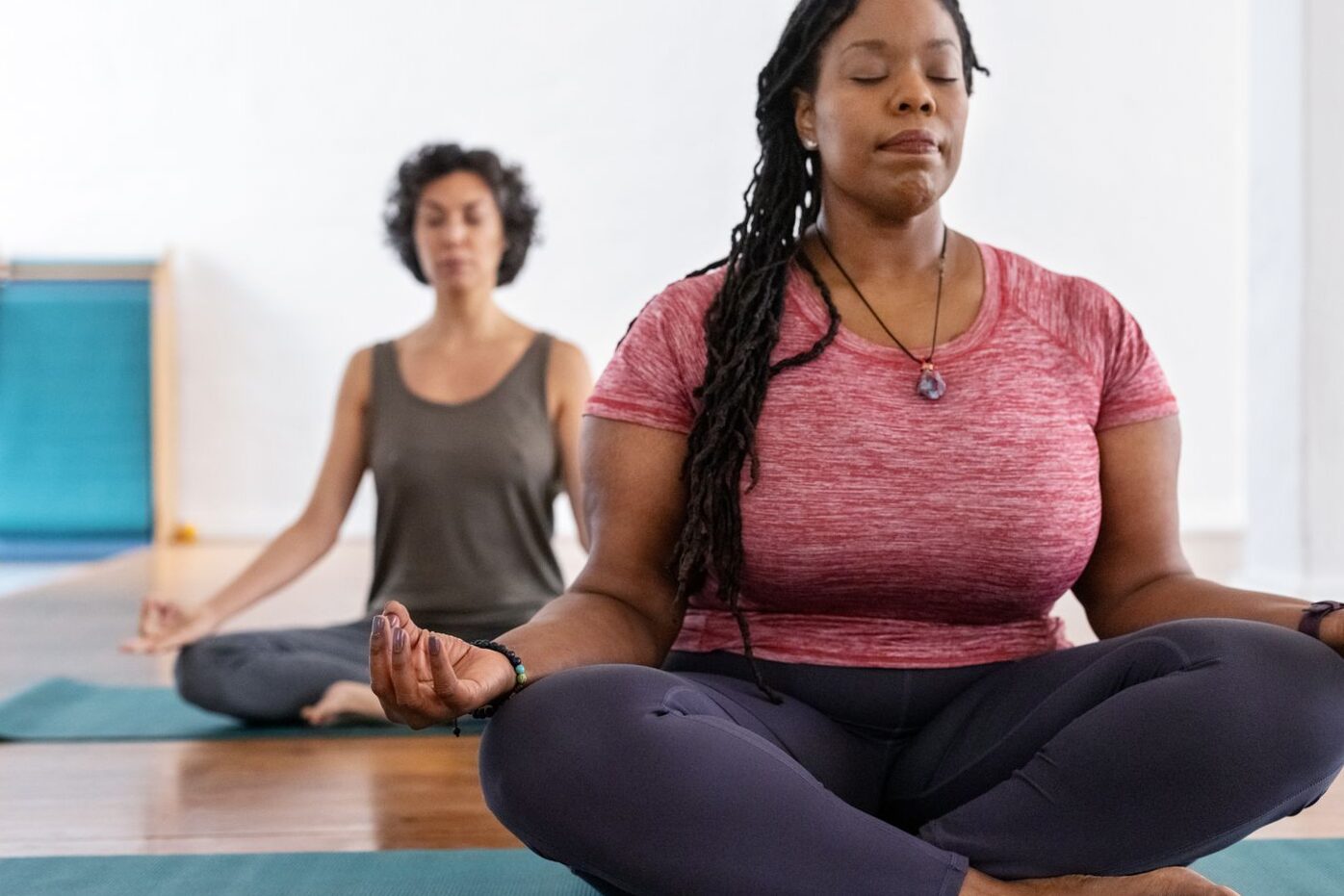
To prevent this from happening, we must prioritize not only physical health, but also emotional health. Therefore, you need to find a conscious balance between physical activity and exercise for emotional health. Mindful and balanced movement exercises combined with breathing techniques have a positive effect on both body and mind.
Another way is to let the mind calm down and give it an impetus to start again: before your usual physical training, do at least 10 minutes of meditation or find time to spend every day in nature with your thoughts.
It is also recommended to keep a diary of your daily thoughts, which is best done after physical training, yoga or other active activities. Journaling has been shown to reduce anxiety, stress and promote better sleep. And doing so after exercise opens up layers of repressed thoughts and feelings.
Daily rhythm and sleep hygiene are another way to prevent stress from activating the survival instinct. We have a lot of information and advice on this topic. We’ll talk more about this in Inhale’s next blog post.
Conlusion
In recent years, the understanding of health has evolved significantly. For a long time, sports clubs and gyms focused mainly on physical training—strength, endurance, and body composition. While these aspects remain important, the experience of the pandemic highlighted something deeper: health is not only physical, but also emotional and psychological. The growing awareness of mental health challenges has shifted the conversation toward a more holistic approach to well-being.
The rise in anxiety, depression, and emotional stress during and after the pandemic revealed how closely connected mental and physical health truly are. When emotional balance is disrupted, physical health often follows the same path. Stress, fatigue, and emotional strain can affect sleep, immunity, energy levels, and overall quality of life. This has led many people to recognize that traditional approaches to fitness—focused only on physical performance—may not be enough to maintain true health.
Statistics from organizations such as the World Health Organization highlight the scale of the issue. With approximately one in eight people worldwide experiencing mental health disorders, it is clear that emotional well-being has become a global concern. Beyond diagnosed conditions, many individuals experience ongoing stress, anxiety, and emotional pressure in their daily lives. The fast pace of modern life, constant exposure to social media, global uncertainties, and increasing professional demands contribute to this growing challenge.
In this context, the concept of health is expanding beyond traditional fitness routines. Physical activity remains a powerful tool for supporting well-being, but it must now be integrated with practices that promote emotional resilience and mental balance. Activities such as mindful movement, yoga, mobility training, breathing exercises, and recovery practices are becoming increasingly important components of modern wellness programs.
Sports environments are also evolving to reflect this broader perspective. Many training spaces are beginning to emphasize community, emotional support, and a balanced approach to health. Exercise is no longer viewed only as a way to build muscle or lose weight, but also as a method for managing stress, improving mood, and creating a healthier relationship with the body and mind.
Another important realization is that emotional health affects people of all ages. Children, adolescents, and adults alike face increasing levels of pressure in their daily lives. Supporting emotional well-being through movement, social connection, and healthy routines can help create stronger resilience against these pressures.
latest posts published

The best bodybuilding exercises to sculpt a stronger physique

Jumper: how to find the one best suited to you? (+ useful tips for choosing)

How to start training and not burn out: a healthy approach to movement and progression
How to build a gym at home

Amber CrossFit × CrossFit OPEN 2026
Is CrossFit training dangerous?
What do you need to know when choosing an exercise ball?

Nutrition for athletes, where to start?
Deadlift: benefits, technique and how to perform it correctly