

Did you know that the human body is colonized? 39 trillion microorganisms? They are basically bacteria, most of which live in our digestive tract, the large intestine, and are collectively called intestinal microflora OR microbiota.
These microorganisms perform many beneficial functions for humans: they protect against the effects of harmful bacteria, participate in the production of vitamin B12, biotin and vitamin K2, contribute to digestive processes and nutrient metabolism. The intestinal microflora also affects our mood, energy, memory, hormones and even the functioning of our immune system. When the microbiota is balanced and diverse we are healthy, in a good mood and have a lot of energy, while when there is a bacterial imbalance we run a greater risk of contracting certain diseases, such as inflammatory bowel disease, diabetes, obesity, metabolic syndrome or even the
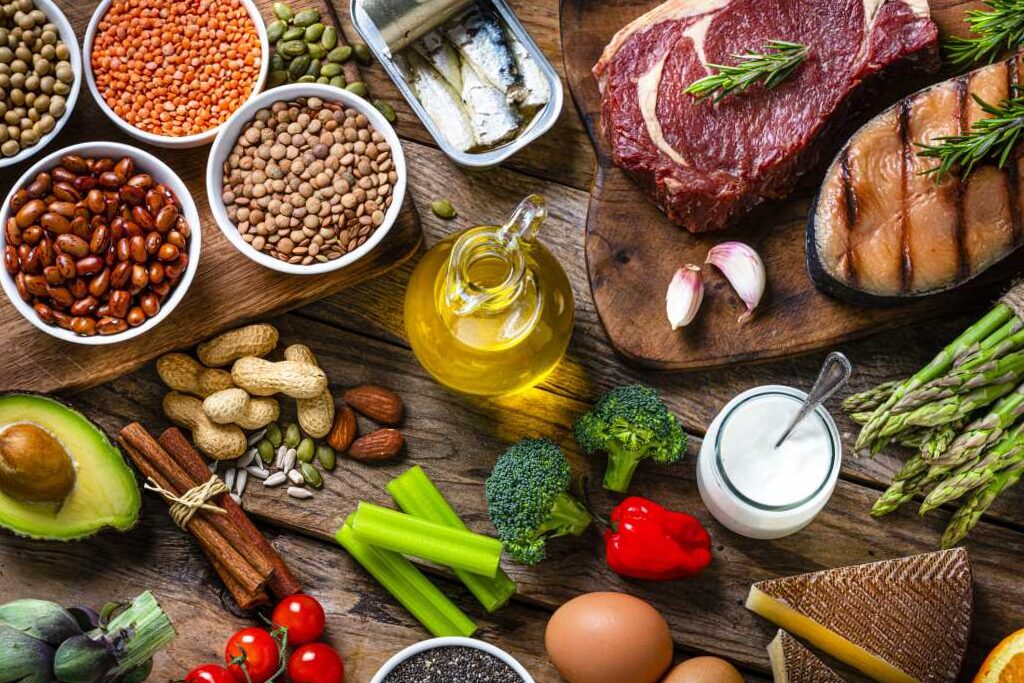
In other words, a person’s physical and emotional health depends on the state and composition of our gut microbiota. Research proves it variety of plant products AND a key condition for the prosperity of digestive microorganisms. The more diverse the plant-based products we include in our daily diet, the more diverse the good bacteria we have in our gut, and the better they and our bodies will function.
The benefits of a variety of plant products for our body
So why exactly are plant products so valuable for our intestinal microflora? Unlike animal products, they are rich in fibre, prebiotics and probiotics which are particularly beneficial for the microbiota.
Probiotics they are living organisms called good bacteria. Bifidobacteria, lactobacteria, propionobacteria and other bacteria found in the human intestine are considered probiotics. Probiotics can be obtained naturally from sauerkraut, cucumbers and other pickled vegetables, Korean Kimchi cabbage, sourdough bread, kombucha and kefir, cottage cheese, milk and other similar natural products.
Prebiotics – these are carbohydrates of plant origin, which the human body cannot digest or absorb. Prebiotics are nutrients for good intestinal bacteria that help them establish themselves faster in the intestine and create a favorable environment for their reproduction. To keep our good bacteria full, active and happy, it’s important to make sure your daily diet includes plant-based, fiber-rich, prebiotic-rich foods.
The microbiota is particularly beneficial soluble fiber (i.e. a type of prebiotic) that are not digested in the small intestine like other nutrients. They reach the large intestine almost intact. There they begin to be fermented by certain types of beneficial intestinal bacteria. This fermentation process produces short chain fatty acid (TGRR) such as acetate, propionate and butyrate, which have positive effects on human health.
- A healthy intestinal environment. Short-chain fatty acids serve as an energy source for colon cells, help regulate intestinal pH, and support the growth and activity of beneficial intestinal bacteria. For example, butyrate is associated with anti-inflammatory and protective effects on the lining of the colon, which may reduce the risk of colon cancer. TGRR also lowers cholesterol levels by regulating its metabolism.
- Microbiota diversity. A diet rich in soluble fiber can increase the abundance and diversity of good gut bacteria. The more diverse the microbiota, the healthier it is and the greater the benefits for the person.
- Regulation of the immune system. The effects of soluble fiber on gut bacteria can influence the immune response and help keep the immune system in balance.
- Regulation of blood sugar. Soluble fiber can slow the digestion and absorption of carbohydrates, which can help regulate blood sugar. Additionally, foods rich in soluble fiber tend to be more filling, which can help control appetite and manage weight changes.
In summary, the relationship between soluble fiber and the gut microbiota is symbiotic: soluble fiber feeds beneficial bacteria in the gut, and in return, these bacteria help digest and ferment soluble fiber, producing compounds that support gut health and overall well-being.
What foods are rich in fiber?
Choose whole grains and grains (buckwheat, barley, pearl barley, quinoa or pearl couscous), beans, lentils, chickpeas, as well as colorful cooked and raw (unprocessed) vegetables: broccoli, zucchini, cauliflower, peppers or pumpkin. Include leafy greens, such as spinach or kale, as well as parsley, cilantro, and mint leaves in your daily diet. Don’t forget the garlic, red onions and leeks. Fill your body with fiber by enjoying a variety of fruits, including apples, pears, oranges, bananas and berries, as well as nuts and seeds: sunflowers, chia seeds, flaxseeds, almonds, walnuts and pecans.
The weekly diet includes 30 different plant products
Research shows that to ensure optimal functioning of the gut and good bacteria, we should consume 30 different plant products per week. It may seem like a lot, but here we are not just talking about our usual fruits and vegetables, but also nuts, seeds, beans, grains, herbs and spices. There is no set amount of these plant-based foods to achieve health benefits: even a tablespoon of sunflower seeds or a few leaves of parsley count towards your goal of thirty plants a week.
Interestingly, red, green, and yellow peppers count as three different vegetables. That’s because different colors indicate different types of polyphenols, phytochemicals with antioxidant properties that nourish different strains of gut microbes and thus confer different health benefits. So, try choosing fruits and vegetables of different colors!
Advice on how to include as many plant products as possible in your daily diet
- Porridge. A great example of a meal that helps you eat more whole grains and more. If you want something sweet, you can make oat porridge and flavor it with banana, fresh berries, nut butter and seeds, while if you want something savory, buckwheat, barley or pearl barley porridge with fried herbs and vegetables and an egg is also a great option.
- Salad. Add chickpeas, lentils or other grains to a plate of kale, chard, spinach, broth or iceberg lettuce. Add avocado, tofu, toasted seeds and nuts and drizzle with olive oil, lemon sauce and honey. Even pieces of apples, pears or pomegranate seeds can make a salad very tasty, giving it a delicious crunch and sweetness. Don’t forget seasonal vegetables – radishes, tomatoes and cucumbers and herbs – dill, parsley and coriander.
- Protein shakes. This is a great opportunity for people who eat fewer fruits and vegetables to include these plant groups in their diet. When making protein shakes, the possibilities for flavor combinations are practically limitless: start with coconut water, almonds, oats or coconut milk, sweeten with banana or berries and, to make it more complete and even more nutritious, add oats and a spoonful of chia seeds, flaxseeds, walnuts or coconut flakes. If you add a handful of spinach or kale you won’t taste it at all, but the dose of vitamins, minerals and fiber will be guaranteed. You can use an animal-based protein powder like whey protein or a plant-based protein like pea protein isolate, brown rice, or hemp protein.
latest posts published

The best bodybuilding exercises to sculpt a stronger physique

Jumper: how to find the one best suited to you? (+ useful tips for choosing)

How to start training and not burn out: a healthy approach to movement and progression

How to build a gym at home

Amber CrossFit × CrossFit OPEN 2026

Is CrossFit training dangerous?

What do you need to know when choosing an exercise ball?

Nutrition for athletes, where to start?

Deadlift: benefits, technique and how to perform it correctly