

Relaxation isn’t just resting on the couch with your phone in your hand. It is a conscious practice in which body and mind enter tropotrophic state – a period of reduced activity, dominance of the parasympathetic nervous system. This is in stark contrast to a state of stress, in which the sympathetic nervous system, responsible for the fight-or-flight response, predominates.
Research proves it regular relaxation (1-2 times a day) reduces the activity of the limbic system and hypothalamus. This means that sensitivity to stress decreases, anxiety is felt less and even personality traits change in the long term: an inner sense of control and a more positive self-evaluation appear.
Relaxation methods can be various:
But one of the most powerful and natural ways to achieve deep relaxation is this yoga.
The power of Yoga: body, mind and breath as one
Yoga is not just about developing flexibility or performing body positions (asanas). It is deep work with the body, breath and consciousness that leads to inner peace. One of the most important aspects of yoga in the context of relaxation is Savasanaor the ultimate relaxation pose.
Why is Savasana not just rest?
Savasana is often mistaken for a simple resting pose after an active yoga practice. But it really is one of the most important parts of yogaallowing you to integrate all the physical, emotional and mental transformations experienced during practice.
During Savasana, a person enters a deep conscious state of relaxation. The body is completely still, the breathing slow and deep and the mind alert but calm. It is this state that helps activate the parasympathetic nervous system, reduce tension and restore balance to the body.
Benefits of yoga relaxation supported by research
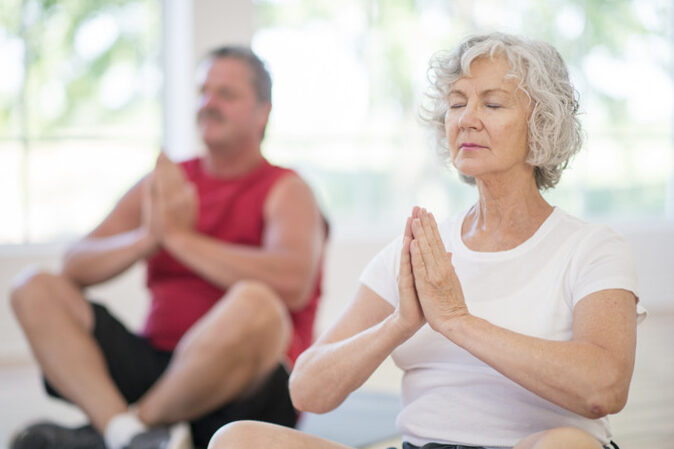
-
lower blood pressure,
-
improve the quality of sleep,
-
strengthen the immune system,
-
reduce symptoms of anxiety and depression.
These are not just theoretical promises: they are practical, the effects of which can be felt by anyone who dedicates at least 10-15 minutes a day to them.
If you feel like stress is starting to dominate your days, start with small steps:
-
Learn some basic breathing techniques (e.g. the 4-7-8 method).
-
Dedicate at least 5-10 minutes each day to mindful relaxation, even if you’re simply lying in silence.
-
Incorporate simple yoga poses into your routine and end each practice with the Savasana pose.
-
Try in-person or online yoga classes, many of which are specifically designed to reduce stress.
Try the Hatha Yoga workshop THE ART OF RELAXING on April 26th.
We will explore how to create inner balance through movement, breath and awareness. Find out more and register Here.
Conlusion
In today’s fast-paced world, many people experience constant pressure from work, responsibilities, and the overwhelming flow of information that surrounds us every day. This continuous stimulation often prevents the mind from fully resting and can lead to chronic stress. Over time, this stress may begin to affect not only emotional well-being but also physical health, contributing to fatigue, sleep disturbances, tension, and reduced overall vitality.
Relaxation is one of the most important tools for restoring balance between the body and mind. When the body enters a relaxed state, the nervous system begins to slow down, breathing becomes deeper, and muscles release accumulated tension. This shift helps the body recover from daily stress and allows the mind to regain clarity and calm. Regular relaxation practices can therefore play a key role in maintaining long-term mental and physical health.
Among the many relaxation methods available, yoga has proven to be one of the most effective and holistic practices. Yoga combines physical movement, controlled breathing, and mindful awareness, creating a powerful synergy that benefits both the body and the mind. Through gentle stretches and balanced postures, yoga helps release muscle tension while improving flexibility and circulation. At the same time, focused breathing techniques encourage deeper relaxation and reduce the intensity of stress responses within the body.
Another important aspect of yoga is its ability to bring attention to the present moment. In daily life, people often find themselves thinking about future responsibilities or past concerns. Yoga encourages individuals to focus on their breath and their movements, helping them reconnect with the present. This mindful awareness can significantly reduce anxiety and promote a greater sense of inner calm.
Over time, regular yoga practice can also improve emotional resilience. By learning to manage breathing, maintain balance, and stay focused during challenging poses, practitioners develop greater control over their reactions to stress. This increased awareness and self-control often extends beyond the yoga mat, helping individuals respond to everyday challenges with more patience and clarity.
In conclusion, relaxation is essential for counteracting the negative effects of modern stress, and yoga offers one of the most effective ways to achieve it. By combining physical movement, breathing techniques, and mindfulness, yoga helps restore harmony between the body and the mind. With consistent practice, individuals can improve their health, reduce stress levels, and cultivate a deeper sense of balance and well-being in their everyday lives.
latest posts published

The best bodybuilding exercises to sculpt a stronger physique

Jumper: how to find the one best suited to you? (+ useful tips for choosing)

How to start training and not burn out: a healthy approach to movement and progression
How to build a gym at home

Amber CrossFit × CrossFit OPEN 2026
Is CrossFit training dangerous?
What do you need to know when choosing an exercise ball?

Nutrition for athletes, where to start?

Deadlift: benefits, technique and how to perform it correctly