

Find the Best Dental Insurance with Orthodontic Coverage
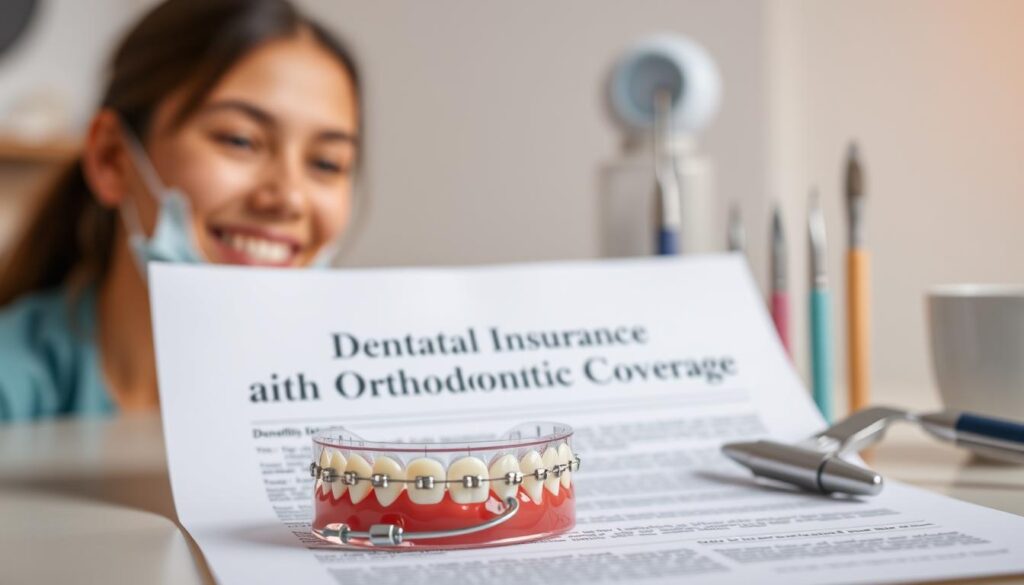
When Emma took her son to the pediatric dentist, the doctor suggested braces. You remember that moment: options, costs, and a long list of unknowns. That first meeting often starts the search for the right plan.
In this guide, you’ll learn how to compare policies and spot real advantages. We’ll show what plans cover braces, clear aligners, and retainers, and when discounts apply instead of full benefits.
Expect clear tips on waiting periods, limits like annual or lifetime maximums, and whether an employer or the marketplace is best for your family. You’ll get a simple checklist to cut through confusing paperwork and make confident choices.
By the end, you’ll know how networks and plan rules affect care and out-of-pocket costs, so picking the right option feels easier and less risky.
Table of Contents
- What orthodontic care includes and why it matters for your dental health
- How dental insurance covers orthodontics today
- Key plan mechanics that affect what your insurance covers
- Comparing dental insurance plans for braces and aligners
- How to choose dental insurance with orthodontic coverage
- Smart ways to save money on orthodontic care
- Ready to find the right dental plan for your family
What orthodontic care includes and why it matters for your dental health
A crooked smile or a painful bite can prompt you to explore corrective care. Orthodontics straighten teeth and fix bite problems for both health and appearance.
Common services include traditional metal braces, ceramic braces, clear aligners (like Invisalign), and post-treatment retainers. Each option moves teeth differently and helps correct crowded teeth, overbite, or underbite.
What counts as health versus cosmetic need
Some cases are functional: misaligned jaws can cause chewing, speech, or jaw pain issues. Other times treatment is mainly cosmetic. Your provider will say which applies.
- Who gets treated: orthodontists see children and adults; early care can guide jaw growth.
- How options compare: metal braces are durable; ceramic are less visible; clear aligners fit discreetly.
- Typical out-of-pocket ranges: metal braces $1,800–$8,500; ceramic $2,000–$10,000; Invisalign $1,100–$9,500.
Understanding these basics helps you ask better questions at a consultation and plan for the period of treatment ahead.
How dental insurance covers orthodontics today
Choosing the right plan can change how much you pay for braces or clear aligners. Start by checking if a full-coverage plan includes this benefit or if a supplemental option is needed.

Coverage basics and common limits
Full-coverage plans sometimes pay a portion of corrective care. Many policies set age limits, caps, and percentage splits that define your out-of-pocket share.
Age rules and eligibility
It’s common for plans to favor children and restrict adult benefits. If your current policy excludes adults, you can seek a new plan or buy a supplemental policy to fill gaps.
Average costs without a plan
Knowing typical charges helps you weigh plan value. Below are common price ranges if you pay out of pocket.
| Treatment | Typical range | Notes |
|---|---|---|
| Metal braces | $1,800–$8,500 | Durable and often least expensive |
| Ceramic braces | $2,000–$10,000 | Less visible, costlier materials |
| Invisalign / clear aligners | $1,100–$9,500 | Discreet, variable by case complexity |
| Overall braces estimate | $5,350–$12,000 | Includes full treatment ranges |
- Check plan rules: age limits, waiting periods, and lifetime maximums.
- Compare employer vs. individual marketplace options during enrollment periods.
- Consider supplemental plans if your primary policy does not help.
Key plan mechanics that affect what your insurance covers
Understanding how a plan works helps you avoid surprise bills during a multi-year treatment. Read the summary and the full policy before you schedule banding or retainers.

Networks and providers: saving money by staying in-network
Most plans use a network of providers. Staying in-network usually means lower negotiated rates and fewer out-of-pocket costs. Even when a plan does not pay for braces, in-network offices may offer discounts.
Waiting periods and lifetime maximums
Many plans impose a waiting period before benefits start. That means treatment begun too soon may not be paid.
Orthodontic lifetime maximums are separate from annual maximums and cap the total benefit for braces or aligners across your life.
Annual maximums, exclusions, and claim timelines to watch
Annual maximums limit how much a policy pays per year. Exclusions and age limits can block benefits entirely for some applicants.
You must follow claim steps and submit documentation on time to avoid denials. The insurance company often requires preauthorization for major work.
- Verify network status before picking a provider.
- Check waiting periods so treatment aligns with benefit start dates.
- Confirm both annual and lifetime limits for braces and retainers.
| Plan Mechanic | What to check | How it affects costs |
|---|---|---|
| Network | In-network list and negotiated fees | Lower rates; possible discounts if not covered |
| Waiting period | Length and start date for benefits | Delays payments until period ends |
| Annual vs. lifetime max | Yearly caps and orthodontic lifetime cap | Limits total paid over time; can leave residual costs |
| Claim rules | Preauthorization, documentation, submission timeline | Late or missing docs can cause denials |
Comparing dental insurance plans for braces and aligners
Before you enroll, compare how different plan types handle braces and clear aligners. Focus on flexibility, in-network savings, and rules that affect multi-year treatments.
PPO plans tend to let you see a wider list of providers and still offer in-network discounts. That flexibility can cut costs if you prefer a specific provider or want multiple opinions.
PPO plans, employer benefits, and individual family plans
Employer-sponsored plans often bundle benefits and use payroll deductions. You may get lower premiums or group rates that improve value for children and families.
Individual or family plans let you shop carriers or the marketplace. If your current plan lacks major benefits, switching can be worth the change during open enrollment.
When to consider supplemental plans
If your policy doesn’t help or only offers discounts, a supplemental plan can fill gaps. Supplemental options may add a separate lifetime allowance or reduced waiting times for treatments.
- Compare premiums, annual and lifetime maximums, and waiting periods.
- Confirm whether in-network providers offer discounts even when formal benefits are limited.
- Ask providers what documentation proves medical necessity so you know if insurance covers aligners or braces.
For a quick comparison of top private options, check these top private plans: top private plans.
How to choose dental insurance with orthodontic coverage
The smartest choice begins when you map expected treatments against what each policy will pay. Start by listing the services you expect: braces, clear aligners, and post-treatment retainers. Then compare that list to plan documents.
Match your treatment plan to benefits and costs
Match services to benefits. Confirm whether your plan pays for braces or aligners and note any waiting periods, annual limits, or a lifetime maximum.
Estimate total cost by adding premiums, deductibles, co-insurance, and limits to typical treatment fees. This gives a realistic out-of-pocket picture before you commit.
Verify coverage details for braces, clear aligners, and post-treatment care
Check that your preferred provider is in the plan network. In-network providers often lower fees and reduce surprise bills.
- Confirm line items for aligners and retainers in your policy documents.
- Ask about preauthorization and what medical documentation proves necessity.
- If no benefit exists, compare in-network discounts or consider switching plans or adding a supplemental option.
For a clear primer on plan rules and common preauthorization steps, review this resource: orthodontic insurance guide.
Smart ways to save money on orthodontic care
Smart timing and in-network choices can cut your out-of-pocket bill dramatically.
Plan appointments around waiting periods. Schedule consults and banding dates so treatment begins after any waiting period ends. That simple step often ensures your plan will help cover milestone claims.
Provider discounts and plan-compliant care
Staying in-network usually reduces costs through negotiated rates. Even when a plan only offers discounts, an in-network provider can lower the total cost for braces and aligners.
- Request preauthorization and document medical need to avoid denials.
- Ask your provider about flexible payment plans and retainer bundles.
- Map monthly payments, reimbursements, and milestone claims to estimate long-term cost.
| Savings Tactic | What to do | Expected effect |
|---|---|---|
| Timing | Begin treatment after waiting period ends | Increases chance plan will help cover major claims |
| In-network care | Use listed providers and negotiated rates | Lower fees for treatments and fewer surprise bills |
| Documentation | Get preauthorization and proof of medical need | Reduces denials and speeds reimbursements |
To plan year-round savings, review benefit milestones and consider supplemental options. For timing tips and yearly planning, see this short guide: plan now, save throughout the year.
Ready to find the right dental plan for your family
Now is the time to turn research into action and lock in the right plan for your family.
Use a quick checklist: confirm if a plan helps pay for braces or aligners, check waiting periods, and note annual and lifetime maximums. Compare employer options and individual or family policies so you can enroll on time.
Verify whether your provider is in-network to lower costs and speed claims. Ask for a pre-treatment estimate and match it to each plan’s benefit limits.
Shortlist three plans, review benefit summaries, and visit this resource for individual and family options: Delta Dental individual & family plans. Then request a written estimate from your orthodontist and choose confidently.
❤️ Explore More Health Insurance Comparisons
View All Health Articles → Get Your Full Coverage Dental Insurance Quote Today

Get low-cost dental care insurance Australia: Quotes and Plans

Best Dental Insurance Plans 2026: Compare Your Choices

Find Affordable Dental Coverage for Families Today

Compare Private Dental Insurance UK Plans
Go up
Leave a Reply