
Find Affordable Dental Coverage for Families Today

You wake up the morning after a toddler's teeth check and wonder how to keep your bills steady without cutting needed care. In Newfoundland, you learn the provincial MCP only covers urgent, in‑hospital procedures, not routine cleanings or fillings.
That sparked a hunt for options. A neighbour mentioned the Canadian Dental Care Plan and a private quote from PolicyMe, which helped the family weigh monthly premiums and real savings.
This guide shows you how an insurance plan or a solo dental plan can lower what you pay for routine services and larger treatments. You’ll find clear steps to compare benefits, waiting periods and annual maximums so you can pick the right match.
Start here to protect your budget and your family's oral health with straightforward checks on public programs, private options, and the costs you actually face.
Table of Contents
- What you need to know right now about family dental coverage in Canada
- Public vs. private: your family’s dental coverage options in Newfoundland and across Canada
- How much does family dental insurance cost and how much can you save?
- Plan types and coverage levels: preventive, basic, major, and orthodontics
- Top companies offering family dental insurance in Newfoundland
- Affordable dental coverage for families: how to choose the right plan
- Network matters: finding a dentist that fits your family’s needs
- Extras that add value: vision care, drugs, and health benefits
- Apply with confidence: timelines, activation, and first appointments
- Ready to protect your family’s oral health and budget today?
What you need to know right now about family dental coverage in Canada
Before you pick a plan, know how public programs and private policies split the bills you pay at the dentist. In Newfoundland & Labrador, the MCP only pays for medically necessary, hospital-based dental procedures routine exams, cleanings, X-rays, fillings, crowns and orthodontics are not included.
"Always confirm provincial rules first: what you assume is covered might not be."
Children under 13 get full preventive and basic restorative services through the Children's Dental Health Program. Teens 13–17 in households on Income Support can still access exams and fillings.
Adults in the NLPDP Foundation Plan have a limited set of benefits: periodic exams, X-rays (every three years), fillings, extractions and dentures (replacement once every eight years).
- The federal CDCP helps eligible households with diagnostic, preventive and restorative services, but not orthodontics.
- Private dental insurance fills public gaps and creates predictable monthly costs; premiums in NL commonly range from about $26 to $110 per month.
- List your current services and annual out-of-pocket costs, then map plans that match those needs to avoid paying for unused benefits.
Public vs. private: your family’s dental coverage options in Newfoundland and across Canada
A quick map of what public programs cover and where private plans fill gaps helps you choose wisely.
Provincial programs in Newfoundland
Children’s Dental Health Program pays for exams every six months, annual cleanings and fluoride, plus routine fillings, extractions and sealants for ages 0–12.
Teens on Income Support get exams and fillings, though cleanings are not included. Adults in the NLPDP Foundation Plan receive exams and X-rays every three years, fillings on a multi‑year cycle, extractions, and dentures once every eight years.
MCP and federal support
MCP is limited to medically necessary procedures performed in hospital and will not cover routine dentist visits, crowns, or most dental services.
The Canadian Dental Care Plan helps eligible households (adjusted family net income ≤ $90,000) with diagnostic, preventive, restorative, periodontal care, oral surgery, and anesthesia. Orthodontics are excluded.
When private insurance makes sense
Private plans from PolicyMe, Manulife, GreenShield and Canada Life add predictable monthly costs and can cover major services after waiting periods.
- Start with public benefits and then compare private plans to fill projected gaps.
- Ask your dentist for a 12–24 month treatment estimate before you pick a provider or plan.
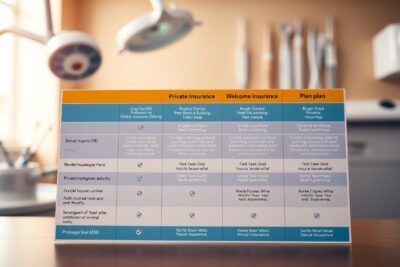
| Option | Typical services covered | Who benefits | Key limit |
|---|---|---|---|
| NL Children’s Program | Exams, cleanings, fluoride, fillings, sealants | Kids 0–12 | Age restricted |
| NLPDP Foundation | Exams, X-rays, fillings, dentures | Eligible adults | Multi‑year cycles |
| CDCP (federal) | Preventive, restorative, oral surgery, anesthesia | Low‑to‑moderate income, no private benefits | No orthodontics |
| Private plans | Preventive to major services | Households wanting predictable costs | Waiting periods, annual maximums |
How much does family dental insurance cost and how much can you save?
Compare typical monthly rates and recent out-of-pocket bills to decide if an insurance plan makes financial sense for your household.
In Newfoundland, sample premiums from PolicyMe (Guaranteed Issue Dental Care) show a clear age pattern: $30.43 for ages 0–4, $52.70 for 5–20, and about $103.34 for 21–44. Older bands rise to roughly $116–$127 per month as of November 2025.
Statistics Canada reports the average NL household spent $211 on dental care in 2023. Our analysis suggests switching to a basic private plan could save roughly $168.80 per year for many households, but results will depend on your use of services.
- If you have regular cleanings and occasional fillings, steady premiums often beat surprise bills.
- One mid-priced procedure can quickly justify an annual premium.
- Rates and specific coverage may vary by insurer and age band, so get multiple quotes.
Key cost variables to watch
Premiums are what you pay monthly. Copays, coinsurance, deductibles and annual maximums determine what you pay at the appointment.
Build a simple spreadsheet with your expected visits and fees, then plug in different plans to find the break-even point.
Plan types and coverage levels: preventive, basic, major, and orthodontics

Understanding plan tiers makes it easier to match benefits to expected treatments this year.
PPO vs. DHMO
PPO-style plans give you wide dentist choice and let you see out-of-network providers at negotiated rates. A PPO network usually lowers your bill when you stay within it.
DHMO plans require a designated dentist and limit your choices. They often use set copays and no out-of-network option, which keeps upfront costs predictable.
Preventive services
Preventive services like checkups, cleanings, and X-rays are commonly covered at high levels so you can protect your oral health. Many plans waive a waiting period for these visits.
Basic and major services
Basic services include fillings and extractions. Major services and major dental work crowns, bridges, dentures and some root canals are often reimbursed at lower rates and may require a waiting period.
Waiting periods and networks
Waiting periods and annual maximums vary by plan. Read the summary of benefits to see which dental services fall into each tier and how long you must wait before coverage starts.
Top companies offering family dental insurance in Newfoundland
To pick the best option, scan the major companies and compare their year‑one limits, waiting rules, and expected rates. Below are concise summaries to help you weigh services and costs quickly.
PolicyMe: Guaranteed Issue, Classic, Advanced
Guaranteed Issue Dental Care pays about 80% of basic preventive and restorative services with no waiting period. It offers an annual maximum of $750 in year one and $900 later, and 60% for comprehensive work. Major services begin in year three.
Classic and Advanced bundles add broader health benefits and higher limits if you want more than routine cleanings and fillings.
Manulife: Flexcare DentalPlus tiers
Flexcare DentalPlus Basic typically reimburses 50% and caps at $575 year one, rising to $750 thereafter. Enhanced tiers raise caps (about $840 year one) and introduce some major services and limited orthodontics from year two. This can suit growing households tracking long‑term needs.
GreenShield: Zone 2, Zone 3, Fundamental
Zone 2 targets lower costs with roughly 80% basic coverage and modest annual max near $800 by year three. Zone 3 starts with lower caps and scales to $1,000 in year three, adding major at 50% then. Premiums in NL often sit in the $77–$84/month band for adults.
Canada Life: Select, Select Plus, Elite
Select emphasizes routine care at about 70% up to $350 per person. Elite expands benefits to include major dental reimbursements typically 50% up to $750 which helps when you expect crowns or bridges. Always confirm how each insurance company handles in‑network dentist billing and coordination of benefits.
- Compare annual maximums, waiting periods, and network rules.
- Ask providers whether claims are direct billed or need member submission.
- Get quotes from several companies so you can match plan limits to your likely dental care needs.
Affordable dental coverage for families: how to choose the right plan

Make smart plan choices by comparing actual past bills with likely treatments ahead. Start by checking public eligibility, then shortlist private options only where gaps remain.
Check eligibility first
See if you qualify for Newfoundland provincial programs or the federal CDCP. Those benefits can cut what you need from a private plan and change your budget quickly.
Estimate your needs
List likely visits: cleanings, exams, fillings and any possible crowns. Add last year’s bills to estimate the gap a plan should cover.
Compare key terms
Compare exclusions, waiting periods and annual maximums side by side. These details may vary by product and will affect first‑year savings.
- Get quotes from at least three insurers to benchmark rates and see which plan matches your needs.
- Prioritise annual maximums if you expect major work; choose lean plans if you mostly need preventive care.
- Check coordination of benefits if both partners have insurance to avoid surprise denials.
| Option | Eligibility | Typical services | Key terms |
|---|---|---|---|
| Provincial NL | NL residents, age rules | Preventive & basic restorative | Age limits, set cycles |
| CDCP (federal) | Income ≤ $90,000, no workplace benefits | Preventive, restorative, oral surgery | No orthodontics, income‑tested |
| Private plans | Open market | From preventive to major services | Waiting periods, annual max vary |
Network matters: finding a dentist that fits your family’s needs
Your out‑of‑pocket costs depend as much on which dentist you see as on the plan you buy. Choosing a broad network can lower fees and speed up claims. A tighter network may save on premiums but limit who you can book.
In-network advantages and how to verify your dentist
Stay in network when you can. Insurers negotiate rates with in‑network clinics, which usually means lower bills and fewer forms to file. Larger PPO networks give you more dentist choice and lower negotiated fees.
- You’ll usually save more with in‑network dentists because the insurer has negotiated rates and handles most billing.
- Check your plan’s directory before you book; confirm your provider is in network and accepting new patients.
- If you have a PPO‑style plan, you can see an out‑of‑network dentist, but expect higher costs and extra paperwork.
- DHMO plans keep premiums and copays lower but limit choice confirm clinic hours, location, and services match your needs.
- Ask the clinic how they submit claims and whether they can predetermine costs for upcoming services.
- Verify referral rules if you need a specialist; some insurers require your primary provider to coordinate care.
If you have a favourite clinic, use the insurer’s "find dental" search tool to confirm status. To compare networks and supplemental terms, see supplemental plans and confirm details before you book.
Extras that add value: vision care, drugs, and health benefits

Bundling vision and broader health perks with your plan can simplify care and save you time at claims. Many insurers offer packages that combine vision, prescription drug benefits, and paramedical services alongside routine dental plans.
Why bundle? Bundles often streamline billing, giving you one portal and one customer‑service contact. They can also include group‑style discounts that make combined benefits cheaper than buying each product separately.
When to bundle dental with broader health insurance
Consider a multi‑benefit plan if you need regular eyewear, drug coverage, or physiotherapy. A bundled plan can reduce paperwork and let you track limits across services more easily.
- If you need glasses or contacts, a bundle with vision care often yields better value than separate purchases.
- Health insurance add‑ons like prescription drugs and paramedical services turn a basic plan into a fuller wellness package.
- Check how bundling affects provider networks so your preferred dentist and other clinicians remain in network.
- Ask about multi‑policy discounts if you also want life insurance — insurers sometimes reduce premiums when you package products.
Some households prefer stand‑alone plans to keep premiums lean. Others pay a bit more up front because extra benefits quickly offset costs when eyewear, meds, or specialist services are needed.
To compare options and confirm details, see these supplemental plans and weigh whether a bundled approach fits your budget and care needs.
Apply with confidence: timelines, activation, and first appointments
Once your application is approved, preventive visits often start fast, but more complex procedures can take longer. Read your welcome packet and note the effective date so you can plan upcoming appointments without surprises.
Typical effective dates and what starts right away
Most plans activate preventive care within days, so you can schedule cleanings and exams quickly. Many insurers issue digital ID cards and booking instructions immediately.
- After you apply, expect an effective date within days for routine care.
- Expect a waiting period for basic or major procedures; check when fillings, crowns or oral surgery become eligible.
- Your welcome materials should show how to find an in‑network provider and whether clinics submit claims directly.
- Ask your dentist for a pre‑treatment estimate so you know what your share will be under the plan’s rules.
- Keep receipts and EOBs together; they help when you compare how an insurance product performs at renewal.
Before your first visit, confirm exact policy limits and benefits. A short 12‑month oral health schedule will help you use preventive services well and avoid gaps in care. To compare options and pick a suitable product, see this guide to the best dental insurances in Canada.
Ready to protect your family’s oral health and budget today?
Start by shortlisting two or three insurers that match your expected visits and long‑term needs.
Check public options and the CDCP first, then compare private plans from PolicyMe, Manulife, GreenShield and Canada Life to fill any remaining gap. Ask each insurance company about waiting period rules, annual maximums, and whether your preferred dentist is in network.
Choose a plan that balances predictable premiums with solid benefits for preventive services and major services like crowns or root canals.
Compare total annual costs side by side and enrol online so you can book care with confidence. For a quick look at individual options, see these individual and family plans and individual and family dental plans.
❤️ Explore More Health Insurance Comparisons
View All Health Articles → Compare Private Dental Insurance UK Plans
Find the Best Dental Insurance with Orthodontic Coverage

Get Your Full Coverage Dental Insurance Quote Today

Get low-cost dental care insurance Australia: Quotes and Plans
Best Dental Insurance Plans 2026: Compare Your Choices
Go up
Leave a Reply