
Your nutrition plan is a determining factor in your success in sports. So, if you have come to the gym to achieve your goals, the second step after choosing a training program is to create an adequate nutrition plan.
The growth of muscle mass is determined by an excess of calories, with a poor diet the muscles will not be able to grow at all! When I was a teenager and started working out, I immediately started consuming endless amounts of protein and carbohydrates. I sat down to eat every 3 hours and didn’t worry at all about how much fat I was consuming. As a result, in the first year I gained more than 18 kg of “mass”. Sure, I didn’t look like the bodybuilder in the photo, but I achieved my main goal – to get big. I want to advise the same to all beginners: eat as much as possible and you will definitely grow. Well, leave the “relief” for the future. What do I see in the corridors today? People are trying to both lose fat and build muscle from day one. They sit on a diet and at the same time exercise hard. This is absurd!
As is known, a large amount of nitrogen enters our body with proteins (nitrogen molecules are a component of the amino acid structure), and therefore nitrogen “accumulates” in the muscles. If you eat little, the physical loads on the body become excessive. The muscles cannot recover and the muscle tissue breaks down. This occurs together with the release of free nitrogen, which is eliminated from the body with urine as an excess element. By analyzing urine based on the amount of free nitrogen it contains, it is possible to determine with certainty which process is dominant in the muscles, whether it is decay or growth. If the amount of nitrogen in the urine is high, it means that the muscles are “melting down”. If there is no nitrogen it means it is growing. In the first case we are talking about a negative nitrogen balance, in the second about a positive one.
The main rules of a correct nutritional plan
Scientists have found that the only factor that has the ability to maintain a positive nitrogen balance in the body under conditions of athletic power loads is abundant nutrition, or rather its high calorie content. Calories can be compared to “saving” protein. If you eat a lot, 1.5 g of protein per kg of body will be enough for you to have a positive nitrogen balance.
However, you can consume mountains of protein, but if your diet consists of fewer calories than you consume every day, growth, even if you go to the gym, will not happen. Therefore, it is necessary to know the real need for nutrients and provide them to the body.
Nutritional requirements
| Body weight, kg | Proteins, g | Carbohydrates, g | Calories |
| 73 | 145 | 290-362 | 2260-2560 |
| 80 | 155 | 310-387 | 2417-2917 |
| 82 | 165 | 330-413 | 2575-3075 |
| 87 | 175 | 350-438 | 2731-3231 |
| 92 | 185 | 370-462 | 2885-3885 |
| 97 | 195 | 390-487 | 3040-3540 |
The main errors in nutrition
The first mistake is usually skipping meals. The second is not eating enough. Sometimes it still happens that, even if there is a lot of food, the loads in the room are so high that, like it or not, an energy deficit is created.
Guaranteed growth begins with a surplus of 1000-1500 calories. In short, as a beginner, there is absolutely no need for you to fall prey to the widespread myth that protein is the key to growth. Yes, protein is the foundation of muscle growth, but the number one priority is the total number of calories consumed each day. The calories must be many, many! The daily surplus of all energy resources must be at least 500 calories.
At the same time, a layer of fat will also grow, but this is not a problem. The most important thing is to grow muscles. When it comes to “losing” fat, bodybuilding knows many different techniques that will turn your body into an anatomy textbook. By the way, don’t confuse methods with diets! We are talking about special combinations of physical activity with a diet in which the carbohydrate portion is gradually reduced to a minimum. This way the fat melts directly on your eyes!
Training in conditions of poor nutrition is even harmful to your health! Don’t even think about muscle contour (relief) at the initial stage of training. Your motto at the table: more! Moreover! And no diets. Be sure to calculate your individual daily calorie requirement and gradually increase it to 500 calories and above until mass growth begins. Eat regularly and abundantly.
How about carbs?
Carbohydrates are simply sugar. Because potatoes, kosei, etc. Aren’t they sweet? The whole secret lies in the composition of the “sugar” molecule. The smaller it is, the sweeter it is. The record holder in this is edible sugar. Well, long molecular chains are tasteless, although they are no different from sugar in terms of physiological effects.
In this case we are talking about the secretion of the hormone insulin, in response to the consumption of any carbohydrates. If it weren’t for insulin, our blood, which would contain excess sugar, would thicken. Insulin “takes” sugar from the blood and “carries” it to muscle cells. Then there sugar becomes fuel for protein synthesis, or more generally for the growth of internal muscle cells. If there were no insulin, no bodybuilder would be able to increase his muscles even by an inch!
It takes a long time to explain, but muscle cells don’t always have the ability to inject insulin into themselves. With years of training he does it more and more “willingly”, and therefore insulin “brings” more and more sugar to the muscles. In excess, insulin turns it into glycogen, the “canned food” sugar of its origin. When in the next workout the load becomes unbearable for the muscles, the glycogen contained in them will dissolve and the muscle will receive a powerful supply of energy.
It should also be remembered that in an ordinary person glycogen tends to accumulate only in the liver – this is the difference between beginners and bodybuilders. How naive are those who expect a sudden result from bodybuilding. No, you have to sweat to look like Superman.
Success in the gym depends on nutrition: if the protein rate is 1.5-2 g per kilogram of your body, everything else in your diet is carbohydrates and fats. Naturally, there should be very little fat, and carbohydrates are the main source of calories. Bodybuilders also build muscle mass by manipulating their daily carbohydrate intake.
This is what the famous Dorian Yates says: “Personally, the main growth tool for me is the electronic scale in the bathroom. At the beginning of each week, I weigh myself and write down the result. If at the end of the week I notice a weight gain of 200-250 g, I add another 300 calories to my daily diet. Usually this is enough so that by the end of the next week I will have added 200-250 g. If not, I lift weights every day. the calorie intake is already around 500 calories, especially at the expense of potatoes, oat flakes, pasta. Then the weight really starts to increase…”
No two people in the world are the same and the same diet plan will work equally well for them. The reason is that everyone’s digestive system works differently. Someone digests proteins better, someone digests carbohydrates better. And someone was given inefficient digestion by nature. This is why you will only be able to discover the amount of calories necessary for your “growth” by experimenting. It’s entirely possible that the Dorian Yates system works for you, but it’s also possible that you need even more calories.
Are fats really bad for you?
There is a so-called safe rate of fat consumption, which represents 20% of total calories in the diet. To maintain the body’s fat intake at this level, it is sufficient to avoid so-called essential sources of fat. These are foods fried with oil, various types of vegetable oil, butter, full-fat dairy products. If you eat cooked or grilled chicken, lean meat, eggs and low-fat dairy products, you will get the right amount of fat.
Why can’t you completely eliminate fat from your diet? The fact is that fat contains cholesterol. You’ve heard a lot of negative things about it, but the truth is that cholesterol is the fuel for the synthesis of the most important sex hormone, testosterone (both in men and in negligible quantities in women). Without testosterone, it is physiologically impossible to build muscles, moreover, there is a real possibility of becoming a eunuch: without testosterone, libido drops much less to zero.
What supplements are needed?
Nutritional supplements do not increase mass by themselves. This is exactly what it says on the labels. So what are the benefits of supplements? They cover you in case for some reason you can’t get the calories you need on a simple diet. And for an amateur it’s a normal thing. Is it really possible to eat normally at work? So first in order of importance to you are 2 supplements: meal replacements and gainers (carb and protein blends).
Food substitutes usually contain 40 g of protein and 25-30 g of carbohydrates per serving. One portion has the ability to make up for a missed lunch or dinner. Most people think that there are not enough carbohydrates in the serving, and therefore mix the substitute not with water, but with milk, etc.
Gainers differ from food substitutes in that they usually contain less protein – 25 g, and more carbohydrates – up to 75 g. In total, the energy composition reaches the limit of 500 calories.
If food substitutes are meant to replace the food you’ve been missing, then profit has another purpose. They provide a supplement to your regular diet to “catch up” your total calorie intake to the 2000-3000 calories you need. Gainers are also used in cases where the stomach does not accept food in large quantities.
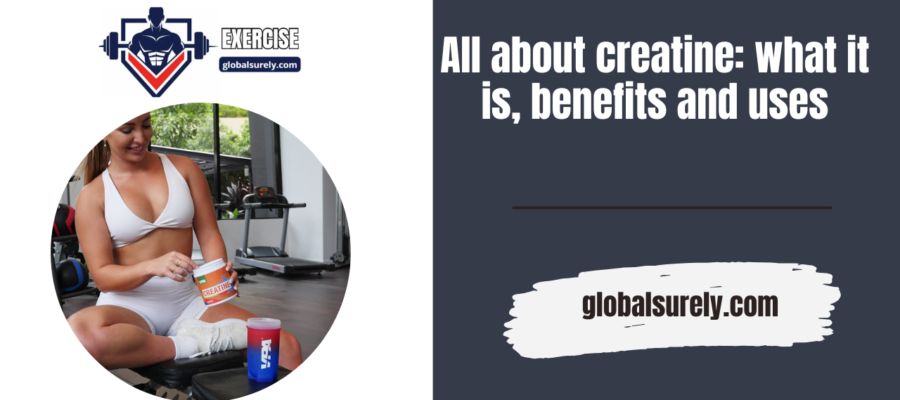
But are there direct stimulants for mass building? So far we only know one: creatine. If you take 5-7 g per day, it will really increase your strength and, with it, muscle volume. Creatine helps everyone, including beginners. So, if you use it at the beginning, there will be no big mistakes.
Are you getting enough vitamins and minerals from your diet? Probably not. And if this is the case, you need to take multivitamin complexes. And use it every day.
To start growing, integration must also become a daily habit. Make it a rule to take your supplements regularly at the same time each day. And for this you need a plan. Everything must be organized in advance, even pre-supplement spending. You need the same plan in your simple diet too. If you come home and your refrigerator is empty, you won’t have to wait for progress.
In any case, a steely consistency is necessary when taking supplements. Well, then the muscles will take care of their own growth.
latest posts published

Protein for athletes: TOP questions and answers

What is cardio?

How to lose weight and lose weight correctly?

benefits and possible harms

Exercises for shoulder muscles

Creatine monohydrate: use, suggestions and observations

Health Benefits of L-Carnitine and Other Benefits

Muscle Strength Training (Mike McErlane)

Weight loss: how to get rid of fat?