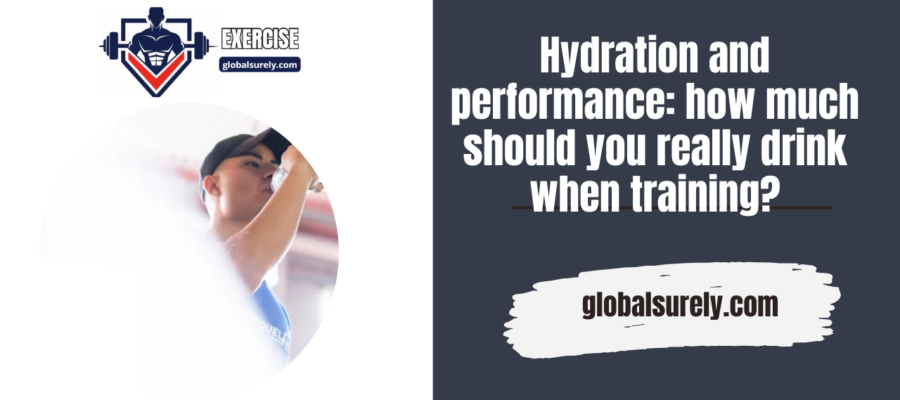
Drinking water, however, seems like a simple detail it can make the difference between a good workout and a bad day at the gym.
Hydration not only affects physical performance, but also concentration, recovery and even mood.
A GymMiquelwe always insist on one basic idea: training well also means hydrating well.
We show you how to know if you’re drinking enough, how much water you need, and how to adjust your hydration based on the type of workout.
Why is hydration so important?
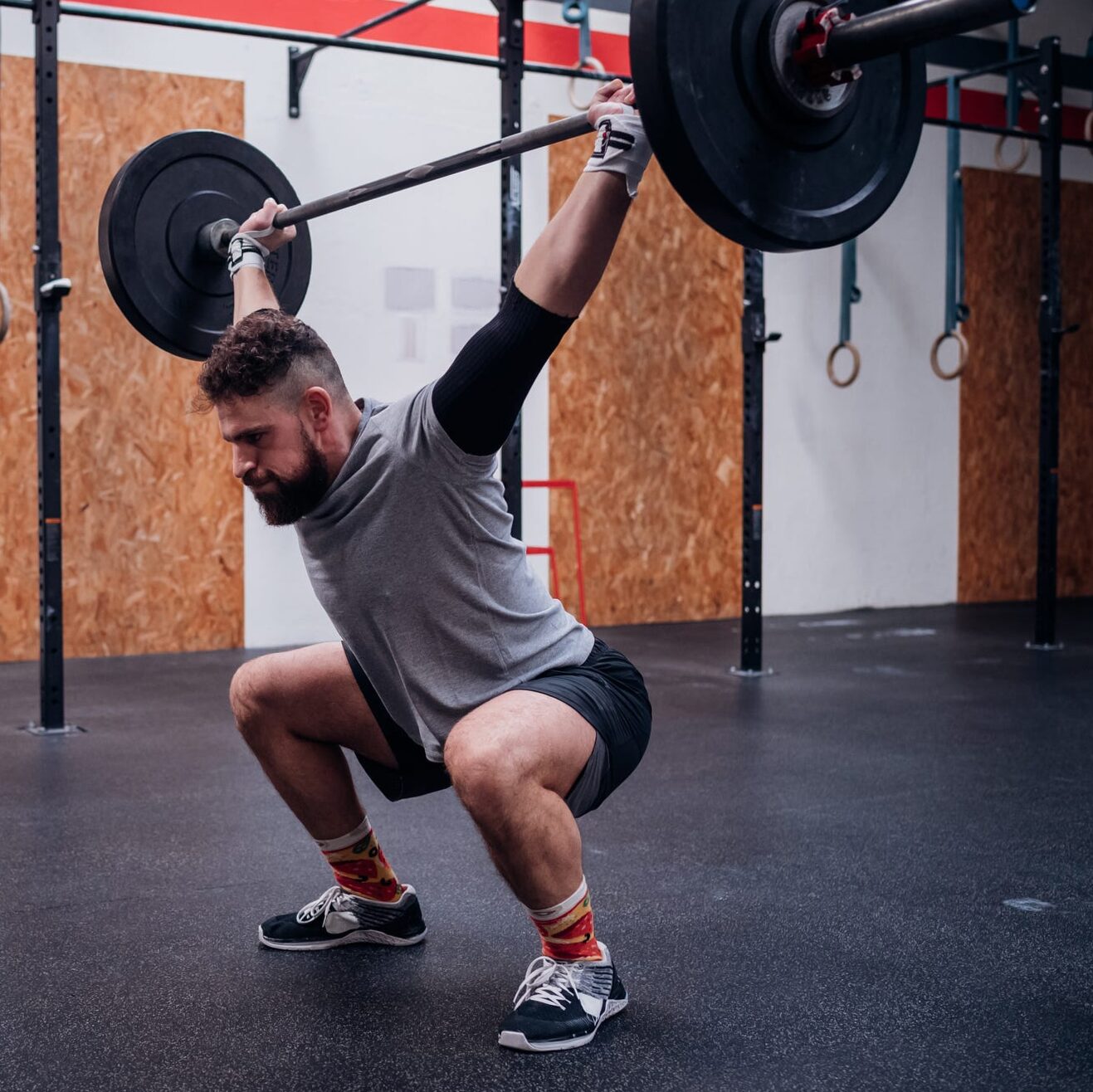
During physical activity the body loses water and mineral salts through sweat.
If you don’t recover them, you can suffer dehydrationand this affects the entire performance:
- Reduces strength and endurance.
- Slows muscle recovery.
- Increases the risk of cramps and dizziness.
- And it does you feel more tired ahead of time.
💬 “Even if you’re not thirsty, your body may be crying out for water.”
How much water should you drink per day if you exercise?
There is no single formula, but there is a very useful general guide 👇
| Moment | Recommended quantity |
|---|---|
| Before training | 400–600 ml of water (about 2 glasses) 1 hour before |
| During training | 150–250 ml every 15–20 minutes |
| After training | 500–700 ml for every 0.5 kg of weight lost |
💡 An easy trick: weigh yourself before and after training.
If you have lost more than 1% of your body weight, you didn’t hydrate enough.
How to know if you are well hydrated
Obvious signs of good hydration:
- Urine yes clear or slightly yellow.
- You don’t have headaches or dry mouth.
- You feel active and focused.
Signs of mild dehydration:
- Fatigue, dizziness or low back pain.
- Muscle cramps.
- Dry skin or lips.
- Very dark or scanty urine.
🚰 Thirst is not always a good indicator: when you notice it, you already have a water deficit.
Water or isotonic drinks?
It depends on the type of training and its duration.
| Type of business | recommendation |
|---|---|
| Training courses of less than 60 minutes | enough water |
| Workouts lasting more than 1 hour or very intense | Isotonic drink or with electrolytes |
| Very hot or humid days | Water + a pinch of sea salt or drink with mineral salts |
🧃 Sports drinks can be useful, but avoid commercial drinks with excess sugar.
Al GymMiquelwe recommend natural options like water with a little lemon and a pinch of salt.
Hydration also comes from what you eat
Not all the water you need comes from what you drink, including food.
Incorporate products with high water content:
- 🥒 Cucumber, tomato and lettuce
- 🍉 Watermelon and melon
- 🍊 Fresh fruit (especially citrus fruits)
- 🥦Steamed vegetables
🌱A diet rich in fresh foods helps you stay hydrated without realizing it.
Common errors that reduce performance
| Mistake | consequence |
|---|---|
| Train without drinking first | premature tiredness |
| Drinking too much at once | Sickness or nausea from Panxa |
| Abusing energy drinks | Dehydration due to diuretic effect |
| Do not moisturize afterwards | Slower recovery |
❗The body not only needs to train, but also to replenish what it loses.
The opinion of GymMiquel trainers
“Many times people think they don’t perform well because they don’t sleep enough or eat poorly, but the real cause is a lack of water.
A dehydrated body cannot function at 100%.”
— Equip the gymMiquel
Conlusion
Hydration is often overlooked when people think about improving their performance in the gym, yet it plays a fundamental role in both physical and mental well-being. While many athletes focus on training routines, nutrition, and recovery strategies, something as simple as drinking enough water can significantly influence the quality of a workout. Proper hydration supports the body in maintaining energy levels, regulating temperature, and ensuring that muscles and joints function efficiently during exercise.
When the body is well hydrated, physical performance improves noticeably. Water helps transport nutrients to muscles, supports circulation, and assists in maintaining endurance during demanding workouts. Even mild dehydration can lead to fatigue, reduced strength, slower reaction time, and decreased concentration. This means that something as basic as not drinking enough water can turn what should be a productive training session into a frustrating or exhausting experience.
Hydration also has a direct impact on mental focus. During exercise, especially intense or prolonged sessions, the body loses fluids through sweat. If these fluids are not replaced, the brain may struggle to maintain concentration and coordination. This can make it harder to follow workout routines, maintain proper form, or stay motivated throughout the session. By drinking water regularly before, during, and after training, athletes can support both physical performance and mental clarity.
Recovery is another area where hydration plays an essential role. After a workout, the body needs fluids to help repair muscle tissue, replenish lost electrolytes, and support overall recovery processes. Proper hydration helps reduce muscle soreness, supports circulation, and accelerates the body’s natural recovery mechanisms. This means that staying hydrated not only improves the workout itself but also prepares the body for the next training session.
At GymMiquelwe, the emphasis on hydration reflects a simple but powerful principle: effective training is not only about lifting weights or completing workouts but also about taking care of the body in a balanced way. Drinking enough water is one of the easiest and most effective habits athletes can adopt to improve their performance and overall well-being.
In conclusion, hydration is a key element of successful training that should never be underestimated. By understanding how much water the body needs, recognizing the signs of dehydration, and adjusting fluid intake based on workout intensity, individuals can significantly enhance their performance, recovery, and overall gym experience. Sometimes the difference between a great workout and a difficult one can be as simple as staying properly hydrated.
latest posts published
Protein for athletes: TOP questions and answers
What is cardio?
How to lose weight and lose weight correctly?
benefits and possible harms
Exercises for shoulder muscles
Creatine monohydrate: use, suggestions and observations
Health Benefits of L-Carnitine and Other Benefits
Muscle Strength Training (Mike McErlane)
Weight loss: how to get rid of fat?