Amber CrossFit Head Coach Lukas Bitinaitis shares his insights and tips on how to achieve maximum results during the CrossFit OPEN 18.2 WOD.
OPEN CROSSFIT 18.2 WOD
Training 18.2
1-2-3-4-5-6-7-8-9-10 repetitions for a time of:
Squats with dumbbells
Burpees facing the bar
Men use 50 lbs. dumbbells
Training 18.2a
1 rep at maximum clean
Time limit: 12 minutes to complete 18.2 AND 18.2a
18.2 is the exact opposite of the 18.1 WOD: short, extremely intense and difficult.
WARM UP: YOU DON’T WIN THE WOD HERE, BUT YOU CAN LOSE
18.2 The higher the intensity of the training, the more intense the warm-up should be. During this workout, you should reach an intensity level that is slightly lower than or the same as your workout (very labored breathing, tight legs, etc.). Also, work with lighter dumbbells. The goal is to find the most comfortable position to hold them. For part A, warm up to your planned starting weight or a little more.
WORKOUT 18.2: YOU WILL BE HALF OF THE COURSE AFTER ONLY 7 ROUNDS
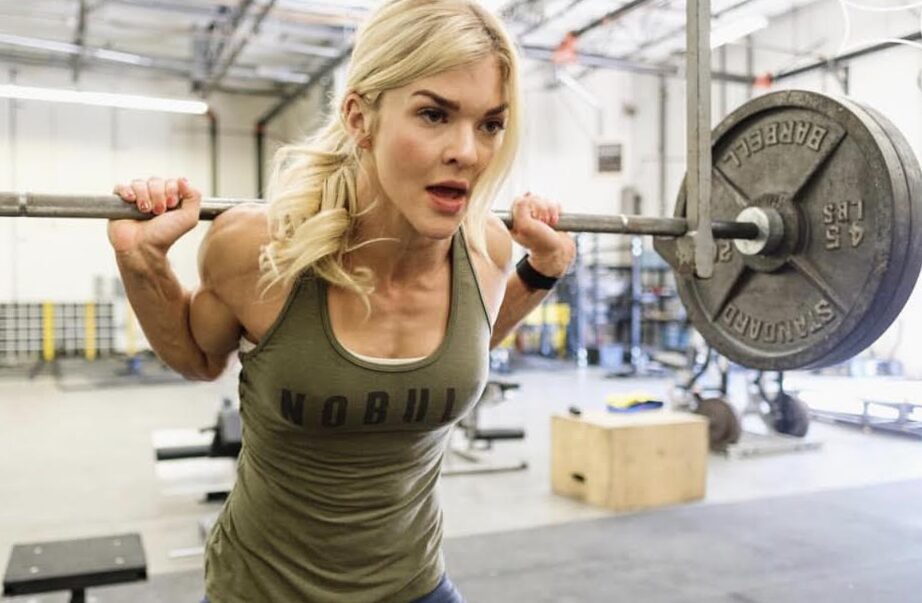
You won’t reach the half-rep limit until after round 7, so don’t rush too much here. Everyone knows each other better, so you need to decide for yourself which exercise you can do faster: squats with dumbbells or burpees facing the bar.
SQUAT WITH DUMBBELLS: SLOW AND CONSTANT
Don’t split squat repetitions – do them slowly and steadily instead of wasting time and energy unloading the weight and lifting it again. The number of repetitions, even in the last round, is not so high that you can’t do everything at once.
BURPEES IN FRONT OF THE BAR: THE MOST IMPORTANT THING IS NOT TO STOP
The key to this exercise is not to stop. This doesn’t mean you have to maintain maximum pace from the first second. Better to find one that you can sustain for 8 or 9 rounds and give it one last try for the rest of the year. To perform all repetitions with maximum efficiency, I suggest marking two points for your palms on both sides. This will ensure that you perform all 55 repetitions at the same distance from the barbell, which will save you a lot of time and effort – you won’t have to take an extra step to jump on it.
TRANSITION FROM ONE EXERCISE TO ANOTHER
Hold the dumbbells as close to the bar as possible and, after performing an odd number of burpees, step back without wasting time twisting.
WORKOUT 18.2A: TIKSLAS – 90% 1RM
In this workout, your goal is to reach 85-90% of your 1RM, but that will mostly depend on how quickly you finish the first part.
If you are done with 1-2 min. before the end of the allotted time, do at least one repetition with a weight that you know for sure you can clean almost immediately. It can be around 30-50% of your 1RM.
If you have 4-6 minutes left, start at 65-70% after you catch your breath. Continue up to 85-90% depending on how you feel.
The most important thing to remember is that this is just general advice, so it’s important not to go too far. Only you yourself know best what works for you and what doesn’t.
Conlusion
Reaching the later rounds of a demanding workout requires not only physical strength but also strategy and self-awareness. By the time you approach round 7, fatigue has already begun to accumulate, and the way you manage your energy can determine how successfully you finish the session. This is why pacing becomes so important. Instead of rushing early in the workout and risking burnout, maintaining a steady rhythm allows you to conserve energy for the later rounds where the challenge truly intensifies.
At this stage, athletes often face a key decision: choosing the movement that best suits their strengths and current condition. Exercises such as dumbbell squats and burpees facing the bar both demand power, coordination, and endurance, but each athlete may find one movement easier to perform quickly and efficiently than the other. Understanding your own capabilities is essential. Some athletes may move faster and more comfortably with dumbbell squats, relying on strong lower-body endurance, while others may find that burpees allow them to maintain a quicker rhythm despite their high intensity.
This moment in the workout also highlights the importance of knowing your body. Experienced athletes learn to recognize when to push harder and when to control their pace. Moving too quickly too early can lead to unnecessary fatigue, while a controlled and consistent approach allows for sustained performance throughout the entire session. In workouts that involve multiple rounds and varied exercises, intelligent pacing can be just as important as physical strength.
Another valuable aspect of these workouts is the sense of community and shared effort among participants. As athletes progress through the rounds together, they often become more aware of each other’s pace, strengths, and challenges. This familiarity can create a motivating environment where individuals push themselves while also drawing energy from the group. Friendly competition and mutual encouragement often help participants maintain focus and determination when the workout becomes more demanding.
Ultimately, success in this type of workout depends on a balance between effort, strategy, and self-knowledge. Choosing the movement that allows you to maintain speed without sacrificing form, pacing yourself carefully, and staying mentally focused can make a significant difference in performance. By approaching each round with a clear strategy and listening to your body, you can finish strong and gain the most benefit from the training session.
latest posts published

Protein for athletes: TOP questions and answers
What is cardio?

How to lose weight and lose weight correctly?

benefits and possible harms
Exercises for shoulder muscles

Creatine monohydrate: use, suggestions and observations

Health Benefits of L-Carnitine and Other Benefits

Muscle Strength Training (Mike McErlane)

Weight loss: how to get rid of fat?