
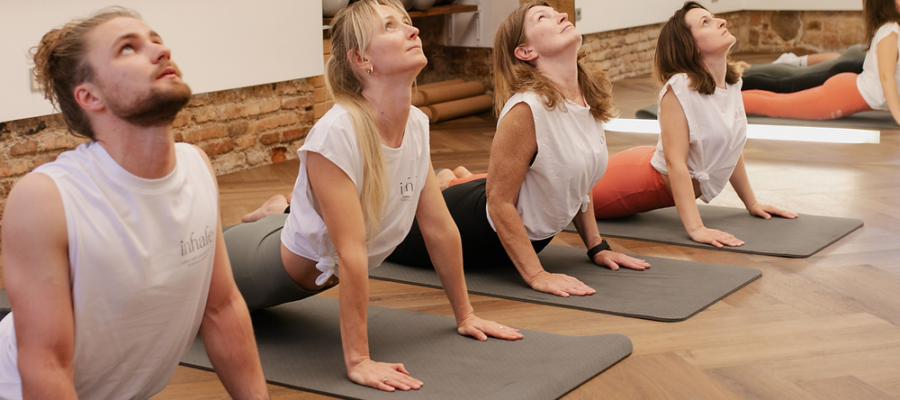
Today, success and its indicators are often emphasized. But we often forget the most important part: the process itself that leads to those goals. Falling in love with sport is the key to more sustainable motivation, better well-being and long-term success.
The power of the process isn’t just about numbers
Focusing only on results can quickly lead to disappointment. For example, if we aim to lose 5 kilograms in a month, but we only achieve 2, we risk losing motivation. However, if we measure our efforts, such as how many workouts we’ve done or how much our energy levels have improved, we can avoid disappointment.
(!) Tracking the process allows you to enjoy the small steps forward and see each effort as a significant achievement.
Motivation comes from consistency
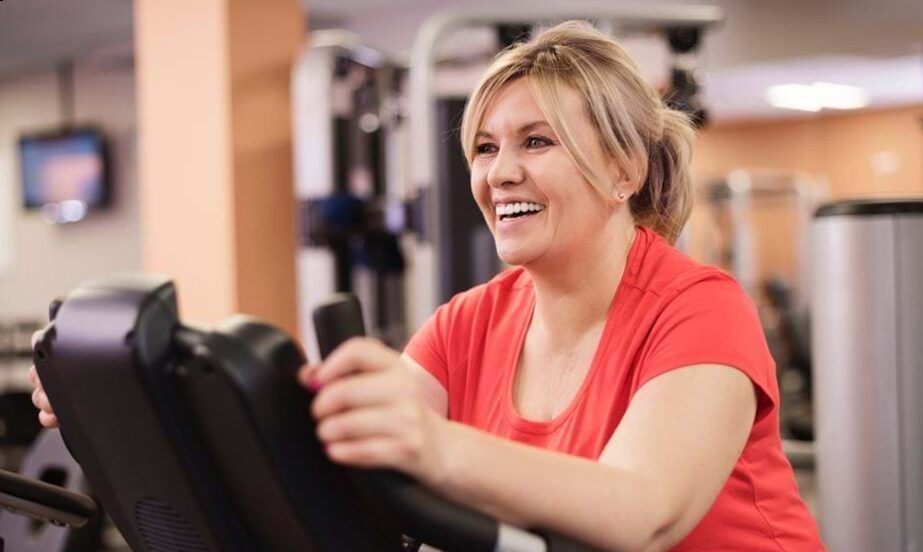
Believing that results are all that matters, we often run the risk of burning out or giving up. A process-oriented approach changes the mindset: so we not only pursue specific goals, but also enjoy the entire process. For example, for a runner, it is not only important how many kilometers he will run, but also how he feels while running: breathing, pace, natural views around.
(!) Focusing on the process makes each workout a meaningful experience that motivates you to keep going.
Awareness is the path to better results
Focusing on the process improves not only our psychological well-being, but also our physical results. Why? By observing and analyzing what we do, we can adapt our training plans more effectively. For example, if we notice that we feel particularly energetic after a certain workout, we can focus more on that particular type of exercise.
(!) The process becomes a tool for self-knowledge.
Sustainable results are the result of the process
When you train only for the result, you are often tempted to choose extreme solutions: a rigorous diet, too intense training programs. This can give a short-term effect, but often ends in exhaustion or even injury.
(!) When we enjoy the process, we learn to adapt our training to the pace of our lives, maintain a balanced approach, and achieve sustainable change.
Falling in love with sport is not just a question of goals
The end result may be short-term motivation, but it is not eternal. When we work towards a goal, such as finishing a marathon or losing weight, what do we do once we reach it? Often people abandon sport because the goal has been achieved.
(!) If we fall in love with the sporting process, it becomes part of our life, a habit that brings joy regardless of whether we have achieved specific results.
4 Steps to Falling in Love with the Exercise Process?
Set small temporary goals. Instead of aiming for big long-term results, focus on small steps. For example, do 10 push-ups today, 12 tomorrow.
Track progress, not just goals. Keep a journal or try apps that help you track your efforts. It’s a great way to see how far you’ve come.
Find pleasure in activity. If you don’t like running, try kinesis, free movement or yoga. It is important that sport becomes a pleasure and not an obligation.
Celebrate the small victories. Every step forward is a success worth celebrating. Come up with your own traditions or rituals for this.
Conlusion
In today’s results-driven culture, success is often measured by visible achievements: personal records, physical transformations, competition results, or measurable progress. While these milestones can be motivating and rewarding, focusing exclusively on outcomes can sometimes overshadow the most important part of the journey—the process itself. True and lasting success in sport and fitness is rarely built on short bursts of motivation, but rather on the ability to enjoy and commit to the daily process of training.
Falling in love with the process of sport creates a different type of motivation. Instead of training only to achieve a specific goal, individuals begin to appreciate the experience of movement, learning, and improvement. Each workout becomes an opportunity to grow, challenge oneself, and experience the positive effects of physical activity. This shift in perspective makes training feel less like an obligation and more like a meaningful part of everyday life.
When people enjoy the process, consistency becomes much easier to maintain. Goals such as losing weight, building strength, or improving endurance may take time, and results do not always appear immediately. However, those who appreciate the training journey itself are more likely to remain committed even when progress feels slow. They find satisfaction in small improvements, such as mastering a new technique, feeling stronger during a workout, or simply completing a session despite a busy day.
Another important benefit of focusing on the process is improved well-being. Training is not only about physical performance but also about mental balance and emotional health. The act of exercising regularly can reduce stress, increase energy levels, and provide a sense of accomplishment. When individuals enjoy the training experience, these benefits become part of their daily lives, contributing to a more positive and balanced mindset.
At the same time, embracing the process allows athletes and fitness enthusiasts to build a healthier relationship with sport. Instead of feeling pressure to constantly perform or compare themselves with others, they learn to value their own progress and personal journey. This mindset encourages patience, resilience, and self-awareness—qualities that are valuable not only in sports but also in other areas of life.
In conclusion, while goals and achievements can provide direction and motivation, the true key to long-term success lies in appreciating the process that leads to those outcomes. Falling in love with sport itself—its challenges, its routines, and its moments of growth—creates sustainable motivation and deeper well-being. When individuals learn to value the journey as much as the destination, sport becomes not just a means to an end, but a lifelong source of fulfillment and personal development.
latest posts published

The best bodybuilding exercises to sculpt a stronger physique
Jumper: how to find the one best suited to you? (+ useful tips for choosing)
How to start training and not burn out: a healthy approach to movement and progression
How to build a gym at home
Amber CrossFit × CrossFit OPEN 2026
Is CrossFit training dangerous?
What do you need to know when choosing an exercise ball?
Nutrition for athletes, where to start?

Deadlift: benefits, technique and how to perform it correctly