

UK SME Insurance Comparison 2026: Find the Best Deals

You run a small company and need clear, practical cover fast. One electrician I spoke to once bought a policy on his lunch break, then realised it lacked public liability for a tight job. He learned the hard way that the cheapest quote can miss vital protection.
In this guide you'll see what business insurance can do for your trade and how to choose the right cover for likely risks. We break down key policies, when they matter, and how a quick online quote fits into your buying journey.
Expect simple tips on balancing premium, excess and limits so you pay only for relevant protection. You’ll also learn why instant proof and prompt, local support make a real difference when a customer claim arises.
To jump straight to process notes and typical limits, see a practical walkthrough at business cyber risk coverage and quote.
Table of Contents
- What UK SME insurance covers and why it matters in 2026
- UK SME insurance comparison: policy types at a glance
- Public liability insurance vs professional indemnity insurance
- Employers’ liability insurance vs optional covers
- Direct insurer vs comparison-led broker journey
- Costs compared: typical price ranges UK SMEs pay
- Coverage vs price: choosing the right cover, not just the cheapest quote
- Tailored policies vs bundled packages
- By business type: matching cover to your trade
- Legal requirements vs professional obligations
- How to get quotes and buy cover fast
- Claims compared: what smooth handling really looks like
- Ready to compare quotes and get the right cover for your business?
What UK SME insurance covers and why it matters in 2026

When a mishap hits, well-chosen cover keeps your cashflow steady and your team protected. Business insurance shields you from sudden costs that can derail day-to-day work. It pays for repairs, legal defence and lost income so you can keep serving customers.
Financial losses, liability and business continuity
Policies respond to accidents, property damage, legal claims and employee illness. Insurers in the UK pay roughly £22 million a day on claims, so payouts are frequent and consequential.
Liability insurance steps in when your business activities cause injury or harm to a third party. Other cover protects your own property, stock and equipment.
Peace of mind for you, your employees and customers
Well-tailored cover reduces uncertainty. It funds repairs, replacement and interruption costs so jobs and service continue.
- Protect core finances: cover for accidents, damage and downtime.
- Clarify limits: chosen levels and excesses determine what gets paid.
- Meet legal duties: employers’ liability is required if you employ staff, with fines for non‑compliance.
| Risk | What cover pays for | Who it helps | Typical note |
|---|---|---|---|
| Public incidents | Third‑party injury or property damage | Customers, visitors | Public liability insurance covers in‑person claims |
| Property loss | Repair or replacement of buildings, stock, kit | Your company | Contents and buildings cover protect assets |
| Employee illness | Medical costs, legal defence | Employees | Employers’ liability is mandatory where you have staff |
| Business interruption | Lost income, temporary premises | Business owners and employees | Business interruption pays to keep you trading |
For clear guidance on choosing cover levels and policies, see business insurance guidance. That will help you pick a balanced mix for your company and avoid underinsurance.
UK SME insurance comparison: policy types at a glance
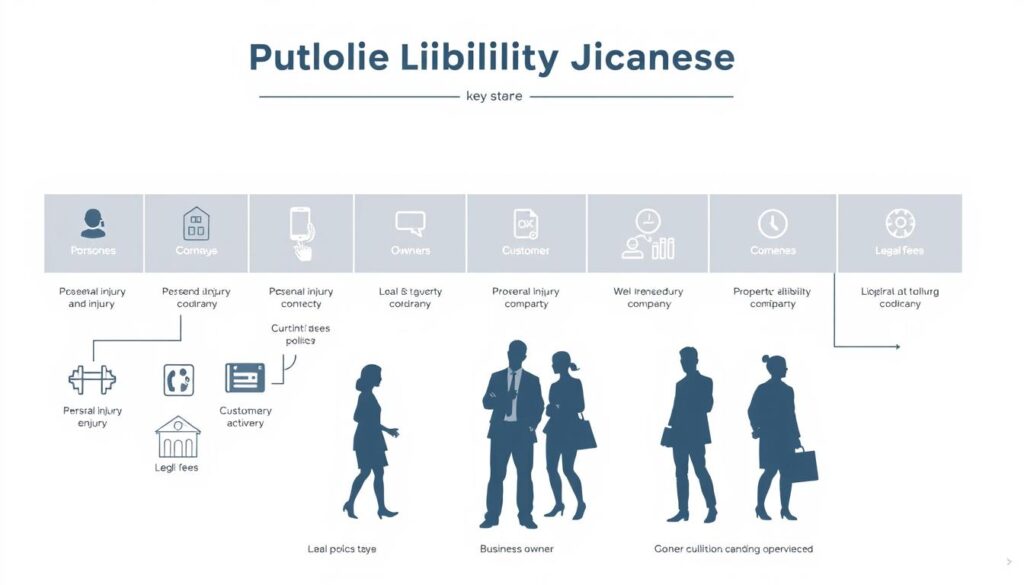
Start by spotting the main policy types so you can match cover to the risks your trade faces. That makes it easier to shortlist what to buy now and what to add as you grow.
Public liability, professional indemnity and employers’ liability
- Public liability insurance handles injury or property damage caused to third parties while you work. It is essential for in‑person trades and premises that welcome visitors.
- Professional indemnity protects you where advice or services cause a client financial loss. Some professions operate on a claims made basis, so check wording.
- Employers liability insurance covers staff illness or injury from work and is a legal requirement if you employ people. It sits alongside other non‑mandatory policies.
When to add contents, stock and equipment cover
Add contents, buildings or stock cover when you hold valuable kit, inventory or premises. These policies protect your own property rather than third‑party claims.
Specialist add‑ons worth considering
- Cyber: data breach response and ransomware cover.
- Tools: on‑site and in‑transit protection for hand and power tools.
- Goods in transit: loss, theft or damage while moving stock.
- Business interruption: lost income during a disruption.
| Policy | What it covers | When you need it | Key note |
|---|---|---|---|
| Public liability | Third‑party injury or property damage | Trades, shops, premises with visitors | Essential for in‑person work |
| Professional indemnity | Client financial loss from advice or service failings | Consultants, designers, surveyors | Often claims made; check retroactive cover |
| Employers liability | Staff illness or injury at work | Any business with employees | Legal requirement; display certificate |
| Contents / Stock / Tools | Repair, replacement or theft of property | Businesses holding kit or inventory | Add to main policy or buy separately |
Quick checklist before you get a quote: prepare turnover, staff numbers, list of tools and estimated stock value. That speeds up accurate quotes and like‑for‑like comparison across providers.
Public liability insurance vs professional indemnity insurance

Start by separating physical accidents from professional errors they trigger very different cover.
Public liability deals with injury or property damage to non‑employees caused by your activities or premises. Think of a customer tripping on a loose tile and breaking a wrist.
Professional indemnity covers financial loss that your advice, design or service causes a client. For example, a consultant whose report leads to a costly project delay may face a claim for negligent advice.
How claims and evidence differ
Liability in in‑person claims rests on physical injury, causation and witness or CCTV evidence. Assessors focus on sequence of events and damage repair bills.
Indemnity claims hinge on duty of care, breach, and measurable financial loss. Paper trails, contracts and emails are key to proving or defending a claim.
Claims‑made policies and practical steps
Many professional indemnity policies work on a claims made basis they cover claims reported during the policy period, subject to retroactive dates. That means continuous cover matters if a client files a late claim for older work.
- Limits and excesses: each policy has separate aggregates and excesses; set limits to match client contracts.
- Contract requirements: some clients demand minimum PI limits even where no law requires them check agreements before you sign.
- Blended approach: choose both covers if you meet clients in person and also provide advice or designs.
- Notification timing: report incidents promptly; defence costs and settlement wording vary by policy.
For a plain comparison of cover types see this short guide on professional indemnity vs public liability, and for consultant-focused detail review consultant liability insurance.
Employers’ liability insurance vs optional covers
Hiring staff changes your risk profile and it often makes a specific legal cover unavoidable. Employers liability is a legal requirement if you employ people in the UK, with limited exceptions.
When the legal duty applies
You must have employers liability insurance once you hire staff, casual workers or certain contractors. Failure to hold cover can cost you £2,500 per day while trading without it.
There is also a penalty of £1,000 if you cannot display or produce the certificate on request.
Optional covers that can be essential
Tools, goods in transit, cyber and business interruption may feel optional. For many trades they become mission critical.
"Consider tools cover if your team depends on portable kit; treat cyber cover as vital where customer data or payment systems are in use."
| Cover | When it matters | Why add it |
|---|---|---|
| Tools | Contractors, mobile trades | Replaces stolen or damaged kit |
| Goods in transit | Retailers, couriers | Protects stock on the move |
| Cyber | Online sales, data handling | Funds breach response and fines |
| Business interruption | Dependence on a site or supplier | Covers lost income during downtime |
Size limits to match wages and roles, check exclusions and store the certificate centrally. Brokers and online journeys can bundle employers liability insurance with other business insurance quickly.
Direct insurer vs comparison-led broker journey
Your choice of route affects how fast you get covered and how tailored that cover will be. A typical online journey asks for basic business details, lets you pick cover types, shows costs and then lets you start the policy straight away or save a quote for 30 days.
Pick-and-mix covers in minutes
Buying direct often means packaged policies that are quick and simple. You can accept a preset bundle and get instant proof of cover.
Using a broker-powered platform usually offers a pick-and-mix experience. You tailor limits and add-ons in minutes to avoid paying for unneeded cover.
Hassle-free claims and UK-based support: what to expect
Service standards to look for include digital certificates, online claims portals and UK-based support teams that solve issues quickly.
"Instant proof of cover and clear online claims steps give you the peace of mind to focus on trade, not paperwork."
| Route | Speed | Customisation | Post-sale support |
|---|---|---|---|
| Direct insurer | Immediate start, quick quote | Limited pick options, packaged | Online portal, standard UK support |
| Broker-led | Short setup time, save quote for 30 days | High flexibility, tailor limits and endorsements | Advisory help for complex trades |
| Claims handling | Online notification, checklist | Clear excesses and inner limits | Timelines vary by provider and claims history |
Evaluate how clean versus adverse claims history affects costs and underwriting. Check excesses, endorsements and inner limits to avoid gaps. Where risk is specialist, you may still want broker advice despite faster direct options.
Costs compared: typical price ranges UK SMEs pay
Prices vary widely, so knowing typical monthly ranges helps you budget before you request a quote. Use these benchmarks to spot an outlier and plan cover cost into your cashflow.
Public liability: guide monthly ranges
Public liability insurance commonly sits between £4.60 and £21.23 per month (Jul–Sep 2024). Lower figures suit low‑risk trades, higher ones reflect greater exposure or higher limits.
Professional indemnity: how risk and turnover influence cost
Professional indemnity premiums typically range from £9.08 to £46.67 monthly. Price moves with turnover, claims history and required limits.
Employers’ liability and property covers
Employers liability runs roughly £1.86–£28.15 per month. Buildings, contents and stock cover shows wider variance: about £4.71–£49.09 depending on sums insured, security and location.
Cyber insurance: why digital risk pricing differs
Cyber cover sits around £10.79–£46.10 monthly. The digital footprint, data held and incident readiness drive your price.
- Use real monthly ranges to benchmark expectations before you compare costs and cover options.
- A clean claims record, accurate sums insured and sensible excesses can lower your quote.
Coverage vs price: choosing the right cover, not just the cheapest quote
Choosing a lower price without checking cover details risks leaving gaps when you most need protection. A cheap policy that won’t respond in a claim can cost far more in repair bills, legal fees and lost time.
Focus on matching cover to the real risks you face and any demands set by clients or contracts. Tailoring limits and wording avoids both over‑insurance and dangerous under‑insurance.
- Match limits: check liability insurance and public liability insurance limits against worst‑case scenarios and client requirements.
- Read the wording: look at exclusions, inner limits and defence costs—not just the headline cost.
- Balance premium and excess: choose a sensible excess so a claim doesn’t create cashflow shock.
- Service matters: fast proof of cover, UK‑based support and smooth claims handling reduce disruption.
| Factor | Why it matters | Quick check |
|---|---|---|
| Policy limits | Determines max payout | Compare against likely loss |
| Wording & exclusions | Defines real cover scope | Spot exclusions and inner limits |
| Premium vs excess | Controls upfront cost and claim burden | Model a typical claim to test cost |
| Service & strength | Impacts speed of payment | Check provider reputation and ratings |
Use quotes to test configurations: vary limits and add‑ons to find value without sacrificing essentials. Before you buy, tick a short checklist to confirm you meet contract terms and that cover matches the operations you run.
Tailored policies vs bundled packages
Deciding between a ready-made package and a bespoke plan changes how much you pay and how well you’re protected.
Bundled packages suit common risk profiles and are quick to buy. They often include core cover and give instant proof of protection.
Leave what you don’t need; scale as you grow
Many providers let you strip out add-ons and increase sums later. That means you can avoid paying for tool or transit cover you don’t use today.
Avoiding over-insurance and under-insurance
Over-insurance wastes money on unused extras. Under-insurance leaves gaps that may not replace stock or kit after a loss.
- Packages are cost-effective for typical trades and save admin time.
- A tailored insurance policy lets you match limits to real exposure.
- Check how easy mid-term changes are, and whether adding a site or raising sums adds fees.
- Plan an annual review to keep costs proportionate and documents current.
Practical tip: run a simple worked example—compare a bundle price with a bespoke mix that removes one or two add-ons to see real differences in costs and cover.
By business type: matching cover to your trade
Different trades face specific hazards; pick covers that reflect the daily risks you actually run.
Trades and construction
Combine public liability, tools cover and goods in transit to protect work on site and on the move.
Tools cover replaces stolen or damaged kit. Goods in transit protects deliveries and subcontracted moves.
Professional services
Prioritise professional indemnity for client-facing advice. Add cyber for data risks and directors’ and officers’ cover for governance exposure.
Check contract clauses that demand higher limits for key clients. For specialist medical roles see medical professional liability.
Retail and eCommerce
Shop insurance should bundle contents and stock cover with public liability for footfall and deliveries.
Consider marketplace rules and delivery partner requirements when you set limits.
Startups and home businesses
Choose flexible policies that scale as revenue and activities expand. Start with core cover and add as you grow.
| Type | Core cover | Why it matters |
|---|---|---|
| Trades & construction | Public liability, tools, goods in transit | Covers site injury, kit loss and transit damage |
| Professional services | Professional indemnity, cyber, D&O | Protects clients, data breaches and management claims |
| Retail & eCommerce | Shop, contents, stock, public liability | Replaces stock, protects customers and deliveries |
| Startups & home business | Flexible business policy with scalable add-ons | Allows growth without coverage gaps |
Practical tip: test configurations with a quick online quote or by using a broker and check a simple guide to business insurance for setup suggestions.
Legal requirements vs professional obligations
Legal duties and professional rules shape the minimum protection your business must keep.
Most employers must hold employers liability insurance to meet a legal requirement. Missing cover can lead to fines of up to £2,500 per day, and a further £1,000 if you can’t display or present the certificate on request.
Employers’ liability fines and certificate display
Keep your EL certificate easily accessible. Display it where staff can see it or store a digital copy that you can present to inspectors or clients quickly.
Regulated professions and indemnity mandates
Certain regulated roles must hold professional indemnity to practise solicitors and some accountants are examples. Contract requirements can also demand specific liability insurance or public liability proof before you start work.
- Check which legal requirement applies: employers’ liability for most employers; note the fines for non‑compliance.
- Store documents: keep certificates, policy schedules and broker contacts in one place for audits and tenders.
- Match descriptions: ensure your policy accurately reflects your business activities, stock and property to avoid jeopardising a claim.
| Requirement | Who it affects | Quick note |
|---|---|---|
| Employers’ liability | Businesses with employees | Statutory; fines apply for no cover or no certificate |
| Professional indemnity | Regulated professions | Often mandatory to practise or win contracts |
| Contractual liability | All trades | Clients may require higher limits than legal minima |
How to get quotes and buy cover fast
Speed matters when you need cover. Prepare a few facts and the online form will take minutes, not hours. That saves you time and helps produce an accurate get quote result you can act on.
Business details to prepare for accurate quotes
Have your company name, primary activity, turnover and headcount ready. Note locations, estimated stock and equipment values and any recent claims or unusual work.
These facts reduce follow-up questions and make the final quote closer to the live premium you will pay.
Compare and save: tailoring limits, excesses and add‑ons
Use the quote builder to test different limits, excesses and add‑ons in real time. Decide which insurance covers you need now and which can wait based on client demands and your risk profile.
Save options: most providers let you save a quote for 30 days while you check contracts or get internal approval.
Instant proof of cover and storing your certificate
Start a policy immediately to get instant proof of cover. Download and store certificates in your company shared drive so you can show clients or inspectors at short notice.
Keep a simple checklist of what to present if a claim arises to speed handling and avoid disputes.
Claims compared: what smooth handling really looks like
When a claim lands, quick action and clear records speed resolution and cut disruption to your business. Start by reporting the incident within the timeframe set out in your policy and gather facts while memories are fresh.
Evidence to gather for quicker outcomes
Take photos and video of any visible damage and preserve affected items. Keep receipts, invoices and proof of purchase for repairs or replacement.
Note witness names and contact details, and record what customers tell you. If relevant, obtain a police report and save any medical or repair documents.
Small vs large claims: realistic timelines
Smaller claims with solid proof can resolve in hours or days. Complex or high-value claims may take weeks or months while assessors verify details.
- Report claims promptly and within policy time limits to avoid delays or disputes.
- Do not admit liability or make payments before your insurer confirms cover.
- Log communications with dates, reference numbers and actions to keep your records clear.
- Understand excesses so you know what you must pay up front.
- Use approved repairers or specialist assessors when recommended to speed quality outcomes.
- Train your team to notify and support a claim quickly, then review steps to reduce repeat incidents.
For wider context on handling commercial loss and sector findings, see the commercial claims research. Good preparation means a smoother claim, faster payment and less disruption to your business.
Ready to compare quotes and get the right cover for your business?
Get started in minutes by sharing a few simple business facts and tailoring the cover you actually need.
You can enter basic company details, select required covers and compare quotes side by side. Use the builder to tailor limits and excesses, then get quote results you can bind in minutes with instant proof of cover.
Prioritise dependable claims help, UK‑based support and clear policy wording for peace of mind. Keep certificates handy for tenders, landlords and client onboarding to avoid delays.
Choose scalable options so cover grows with your business. If you’re ready, proceed to bind; or save your quote and return when stakeholders are aligned.
💼 Explore More Business Insurance Guides
View All Business Articles → Get Workers Compensation Insurance USA for Your Business

SME Liability Protection Canada: Safeguard Your Business

Protect Your Business with Employee Injury Coverage UK

Workplace Protection Insurance Canada: Protect Your Employees

High-Risk Business Liability Insurance USA: Protect Your Business

Get Workers Liability Insurance Australia for Your Business
Go up
Leave a Reply