
Total Vehicle Insurance Coverage: What You Need to Know
Around 562,185 cars were written off in 2024, which shows how common a serious loss can be. This guide explains what happens next and how you stay in control.
You’ll learn how insurers decide if a car is repairable or a write-off. They check damage, age, mileage and condition to set market value and choose repair or settlement.
We explain the ABI categories A, B, S and N so you can see why some cars return to the road and others never will. You’ll also see what affects the value offered and how to challenge a low settlement.
Practical advice helps you act fast after an incident. From paying an excess to keeping cover moving to a replacement, this section keeps the focus on your safety and rights as a driver.
Table of Contents
- Write-offs and total loss: what it means for your car and your cover
- ABI write-off categories explained: A, B, S and N
- How insurers decide on a total loss and what happens next
- Stolen vehicles and total loss: what to do and what to expect
- Total vehicle insurance coverage: your essentials on value, payout and GAP
- Safety, repairs and getting back on the road with written-off cars
- Your next steps: stay protected, make informed choices and get a quote
Write-offs and total loss: what it means for your car and your cover
A declared total loss happens when fixing a car no longer makes financial or safety sense to the insurer. They compare repair quotes with the car's market value and decide if a repair is practical.
What insurers mean by a declared total loss or “car written off”
An insurer calls a car written off when repair costs hit roughly 50–70% of the pre-incident value or when safety concerns make repair unsuitable. Inspectors check visible and hidden damage, then factor in age, mileage and overall condition.
How common are write-offs in the UK right now
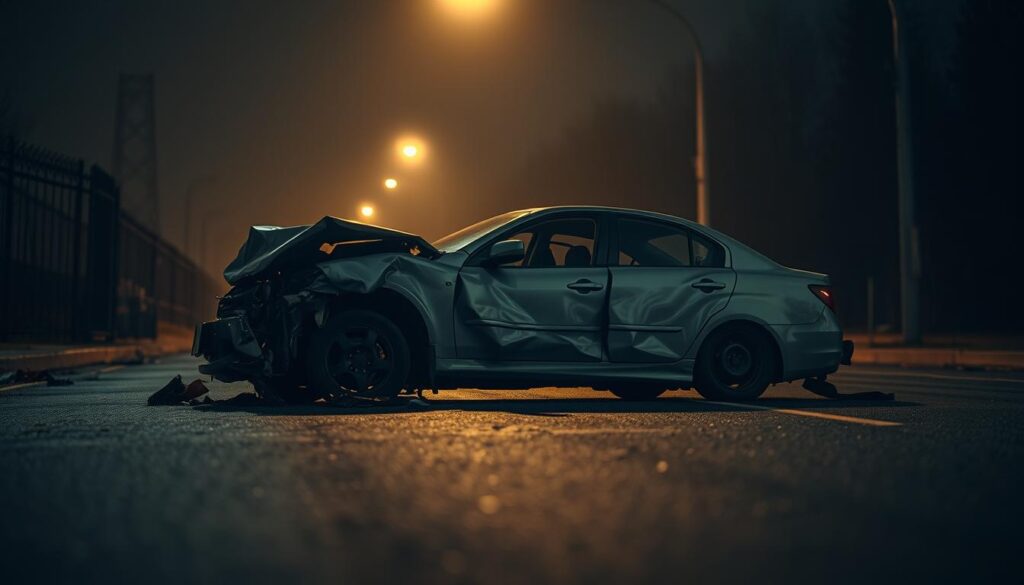
Write-offs are not rare. About 562,185 vehicles were written off in 2024, roughly 1.34% of cars each year. After a declared total, you usually get a settlement minus any excess and ownership often passes to the insurer unless you keep the salvage.
| Trigger | Typical threshold | Usual outcome | What you should do |
|---|---|---|---|
| Repair costs vs value | 50–70% of pre‑incident value | Settlement paid; insurer takes ownership | Gather photos and receipts |
| Hidden structural damage | Safety risk outweighs repair | Car written off; salvage handled | Request full inspection report |
| Parts or labour shortages | Market-driven | Repairs impractical; declared total | Ask about sourcing and alternatives |
ABI write-off categories explained: A, B, S and N
The ABI system sorts damaged cars into clear groups so you can see their likely future on the road. These categories guide repairers, buyers and the association british insurers when assessing safety and resale.

Category A - scrap only
Category A means the car is beyond repair. It must be scrapped and no parts may be reused. This prevents severely damaged components returning to the road and protects safety.
Category B - parts recoverable
Category B lets insurers reclaim usable parts. The body shell must be crushed and the car never returns to the road. The DVLA will not reissue a V5 for A or B.
Category S - structural damage repairable
Category S shows structural damage that can be fixed. Repairs must follow manufacturer or Thatcham Research methods. After inspection and approval the car can be roadworthy again.
Category N - non-structural damage
Category N covers non-structural damage such as electrics or trim. Some safety-critical items may still need replacement, so correct diagnosis and parts sourcing are essential.
"ABI categories help everyone from insurers to buyers judge a car's repair prospects and long-term safety."
| Category | What it means | Can return to road? | Notes |
|---|---|---|---|
| A | Scrap only, no parts reused | No | Must be crushed; no V5 reissue |
| B | Parts recoverable; shell destroyed | No | Parts salvage allowed; no V5 reissue |
| S | Structural damage; repairable | Yes (after approved repairs) | Follow manufacturer/Thatcham methods; record stays for life |
| N | Non-structural damage; repairable | Yes (after checks) | May involve electrics or interior; safety checks required |
How insurers decide on a total loss and what happens next
Insurers balance repair bills, salvage prospects and the car's age to decide if a repair is sensible. They compare repair estimates with the pre-incident market value and factor in safety risks and likely resale value.

Repair costs, market value, age, safety and salvage value: the decision factors
Repair cost thresholds often trigger a write many claims tip over when repairs reach about 50–70% of the car's market value.
Age and condition matter. A well‑maintained car with service history may get a higher valuation than a similar model with poor records.
Your claim journey: assessment, settlement offer, excess and policy changes
After you make a claim, an assessor inspects the damage, then the insurer issues a valuation and a settlement offer based on pre‑incident market value minus your excess.
Ownership normally passes to the insurer once you accept the payout. You can often arrange to replace your car and keep cover active so you are not left without transport.
Retaining the salvage: buying back a Cat S or N car
For Cat S or N losses some insurers let you buy back the salvage. You pay the salvage value, repair the car privately and then arrange mandated safety checks before driving it again.
- Get a written estimate for repairs and any safety inspections.
- Check how the proposal affects future premiums and disclosure requirements.
- Use association british insurers guidance and market listings to support a dispute over value.
Stolen vehicles and total loss: what to do and what to expect
When a theft happens, prompt reporting and clear records make the claims process much smoother. First, call the police and get a crime reference number. Then tell your insurer and provide the reference, keys, logbook details and any CCTV or dashcam clips.
Reporting, crime reference numbers and unrecovered theft timelines
Report fast. Insurers usually wait between 14 and 30 days for an unrecovered car before offering a market-value settlement.
Keep copies of police updates and communications. That evidence speeds a fair claim and helps if you disagree with the valuation.
If your car is found before or after settlement
If the car is recovered before settlement, the assessor compares repair costs with pre-incident value to decide repair versus total loss. If it is found after a payout and judged beyond repair, it will be recorded on the MIAFTR and typically scrapped.
If repairs are possible, the recovered car may be sold at auction with an “uncategorised total loss” marker. Your policy normally stays active during the claim, and you can often transfer cover to a replacement once settlement is agreed.
For more on how a payout works after theft, see our stolen car payout guide.
Total vehicle insurance coverage: your essentials on value, payout and GAP
When a claim ends with a payout, understanding how the pre-incident market value was set gives you real bargaining power.
Market value settlements and negotiating a fair offer
Insurers base offers on the market value just before the loss, then deduct your excess. If that figure looks low, you can ask for a review.
Gather recent comparable listings, service records and receipts. Present them calmly and ask the assessor to recheck local prices and high-spec options.
Cars on finance or lease and GAP protection
If your car is on finance, the lender usually gets the payout. If the settlement falls short of your loan or lease balance, GAP can bridge the gap.
Check your policy wording and consider asking about a claim paying the lender directly. For more on gap options see understanding GAP insurance.
Evidence that strengthens your claim
Strong proof includes a full service history, stamped invoices, dated photos and recent adverts for similar models. Mileage and condition notes matter.
- Compile a one-page folder of key documents before you call.
- Ask for an itemised valuation and challenge any omissions.
Safety, repairs and getting back on the road with written-off cars
Before you accept any repair plan, check that work will meet recognised safety standards and be inspected by a qualified engineer. That step protects you and helps prove the car meets road requirements once repaired.
Road safety checks, engineer approval and Thatcham-recommended methods
Category S means structural damage that can be fixed; Category N covers non-structural damage. Both can affect steering, suspension and braking systems, so follow manufacturer or Thatcham-recommended repair methods.
Get a signed engineer report after repairs. Ask for alignment results, parts invoices and a full safety checklist. These documents prove the car is safe for the road.
If you buy a Cat S or N car, run an HPI check to confirm the category and history. When you tell a car insurance provider about the marker, premiums may rise and some insurers may refuse cover.
Keep a repair folder with receipts, photos and the engineer certificate. This helps when you claim, sell or seek a fair quote from a new insurer.
- Check for quality parts and documented repairs.
- Ask about follow-up inspections if you’re unsure of the repair standard.
- Shop around some insurers specialise in restored cars and offer better terms.
Your next steps: stay protected, make informed choices and get a quote
Start by gathering proof and calling your insurer as soon as you can. Clear photos, service history and recent adverts help if you dispute the offer. If you have finance, check whether GAP will cover any shortfall.
Decide quickly whether repair makes sense for Cat S or N cars, or if a Category A/B result means the car is beyond repair and must be scrapped. Follow approved repair methods and inspections before you drive again.
Use our friendly advice to compare car insurance and breakdown cover, then get quote from several providers. You can read best practices for protection, get a quote or check low-cost quotes to help you get back on the road with confidence.
🚗 Explore More Auto Insurance Guides
View All Auto Articles → Compare and find the best car insurance deals online

Electric Car Insurance Rates in 2026

Affordable Electric Vehicle Insurance for Your EV

Compare EV Insurance Costs - Save on Your Policy

Best Insurance for Hybrid and EV Owners in US

Lower Your Premiums with Green Vehicle Insurance Discounts
Go up
Leave a Reply