

Is Your Home Covered? Storm Damage Home Insurance
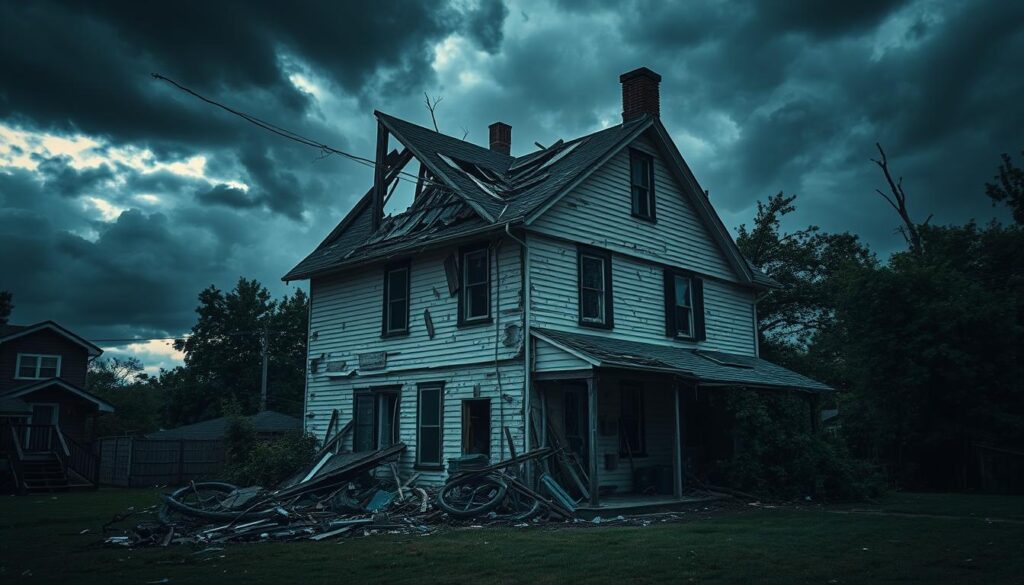
Did you know insurers often set a 55mph wind gust or 25mm rain‑per‑hour threshold to call an event a storm? That single rule has decided many claims in the past, so it matters to you.
This short guide explains what cover aimed to do and how it protected your property during bad weather. You will see how insurers treated sudden events versus long‑term wear, and why timing and records were crucial when you claimed.
You’ll get a quick list of typical problems: broken tiles, lifted felt roofs, fallen trees and water ingress. You’ll also learn common exclusions, such as fences and aged roofs, and how those exclusions shaped past outcomes.
Read on to make sure you have the right level of protection and to find simple steps you can take now. This introduction gives clear, practical information so you can act with confidence.
Table of Contents
- What this buyer’s guide covers and why storm protection matters in the UK
- What insurers mean by a ‘storm’ and why definitions matter
- Storm damage home insurance: what’s typically covered
- What’s not covered: wear and tear, poor maintenance and common exclusions
- Checking your policy: buildings, contents and optional extras
- How to make a claim after bad weather
- If your claim is declined: disputes, evidence and complaints
- Reducing risk before the next storm hits
- Your next steps to make sure you’re properly covered
What this buyer’s guide covers and why storm protection matters in the UK

This section maps out the guide’s scope and explains why preparing for extreme weather is essential across the UK. You will get clear, practical information so you can check your policy and make sure your property has suitable cover.
The guide gives you a step‑by‑step roadmap. It explains how buildings insurance usually forms the backbone of financial protection and how home insurance options can protect both structure and contents.
It also shows why weather events matter nationally. The UK sees repeated spells of high winds, heavy rain, hail and snow that put many properties at risk.
- You are encouraged to read policy wording, limits, excesses and exclusions so you can act before the next severe conditions.
- The Financial Ombudsman Service often checks recognised weather reports, property condition and customer accounts when disputes arise.
- The guide will help you compare policies and choose add‑ons that match your needs.
Keep documentation and trader contacts handy. That simple step makes it easier to prove conditions and to speed up any claim or repair process.
For practical repair advice linked to policy checks, see this short guide on how to repair affected parts of a property: repairing weather-related issues.
What insurers mean by a ‘storm’ and why definitions matter

Knowing the thresholds used by providers helps you check if an event qualifies. Many companies define an extreme event by clear numbers: gusts above 55mph, rainfall of at least 25mm in an hour, 30cm of snow in 24 hours, or hail powerful enough to break glass and hurt hard surfaces.
The Financial Ombudsman has taken a broader view when deciding disputes. It accepts that intense rain, hail or heavy snowfall can meet the test even where high winds are absent, provided the conditions were severe enough to cause loss.
Evidence matters. Assessors commonly use Met Office records and recognised weather databases, your account of local conditions, and the property's state to establish cause.
- You should read your policy wording closely because definitions differ between providers.
- Where pre-existing faults exist, insurers will separate those from what actually caused any loss.
- Confirming thresholds were met is the first step before you pursue a claim under your insurance policy.
Storm damage home insurance: what’s typically covered
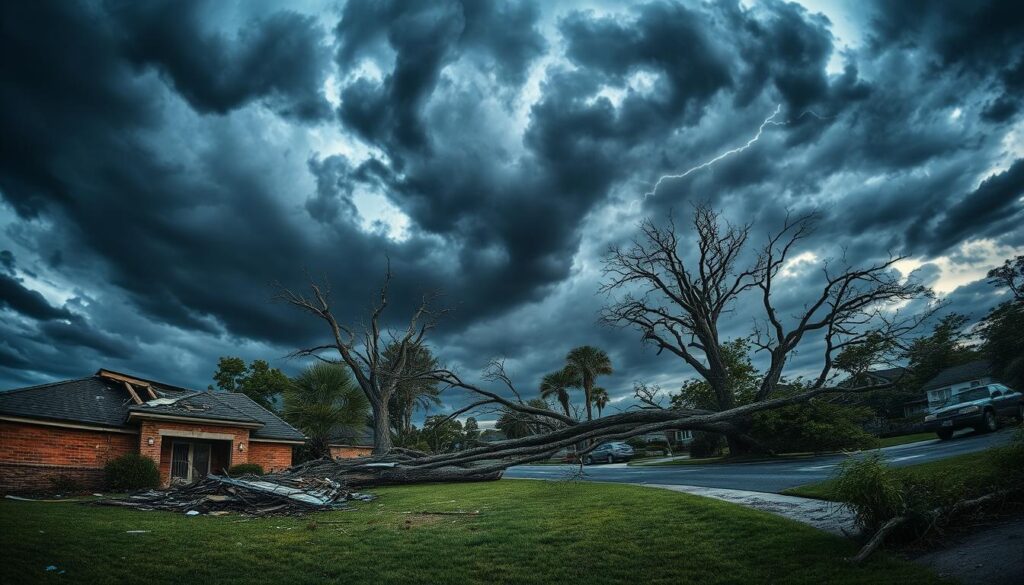
A sudden weather event can tear tiles from a roof and let water through within minutes. Below we list the parts of a property that most policies treat as standard cover and what you should expect when you claim.
Buildings cover for roofs and structure
Buildings insurance usually includes the main roof, ridge and hip tiles, and felt coverings. Missing or dislodged tiles and slates are common losses and repairs to the structure are part of core cover.
Where trees fell and caused rupture to walls, roofs or outbuildings, insurers commonly met the repair bill if the cause was a recognised event. Remove hazards quickly and keep photos.
Water entry after heavy rain or melting snow
Water ingress from intense precipitation or rapid melt is often covered when it follows a sudden event rather than long-term wear. Contents cover can help with soaked belongings while buildings cover handles repairs.
Alternative accommodation
If your property becomes unsafe or uninhabitable, many policies pay reasonable temporary accommodation costs while repairs progress, subject to policy limits and time caps.
| Loss type | Typically covered | Common limits or notes |
|---|---|---|
| Roof tiles/slates | Yes | Proof of sudden cause; photos help |
| Fallen trees | Yes | Includes repair to property; tree removal may be limited |
| Water ingress | Often | Excluded if caused by long‑term neglect |
What’s not covered: wear and tear, poor maintenance and common exclusions
Not every loss after severe weather is covered. Many standard policies exclude items that deteriorate over time or are poorly maintained. That distinction often decides whether a claim succeeds.
Fences, hedges and gates are commonly excluded unless you bought specific garden or outbuilding cover. If a boundary fell and you lack that extra cover, the insurer can refuse that part of your claim.
Maintenance issues to watch for
Insurers frequently reject cases where the root cause was wear and tear. Examples include aged flat roofs, crumbling mortar, failed render and blocked gutters that led to leaks.
If a tradesperson finds the roof felt or tiles were already deteriorating, your provider may classify the loss as a pre‑existing condition and decline payment.
How pre-existing condition can void a claim
You should keep records of routine upkeep to show you maintained the property before any event. Receipts, invoices and dated photos help if causation is disputed.
Relying only on unclear aerial photos or vague statements risks an unfair finding. Read your exclusions closely so you avoid surprises when you file.
| Item | Usually covered? | Common exclusion reason | What you can do |
|---|---|---|---|
| Fences, hedges, gates | No (unless garden cover) | Garden structures often excluded | Buy specific garden or outbuilding cover |
| Flat roof membranes | Often excluded if aged | Gradual deterioration / poor maintenance | Keep repair records; replace when needed |
| Brickwork, mortar, render | Not covered if pre-existing | Long‑term crumbling or failed render | Document repairs and inspections |
| Gutters and drainage | Limited cover | Blocked or poorly maintained leads to leaks | Maintain and photograph seasonal cleanings |
For a clear list of typical exclusions, see an overview of policy exclusions. If you want deeper guidance on property cover options, this property owner policy guide explains differences in wording and scope.
Checking your policy: buildings, contents and optional extras
Carefully reading your policy reveals what is and isn’t protected. Start by locating the sections that define buildings and contents so you can spot gaps between structure and possessions.
What buildings and contents each protect
Buildings insurance covers the fabric of the property: walls, roof, permanent fittings and fixed services. Contents cover looks after furniture, appliances and personal items.
Make sure you know which belongings count as part of contents and which are classed as fixtures or fittings. That difference matters when you claim.
Optional add-ons to consider
Home emergency cover can fund urgent call-outs to keep the property safe and dry. Accidental damage may be valuable if you want broader protection for mishaps.
Garden cover is often optional and needed for sheds, gates and fences. Many standard policies exclude outbuildings unless you add them.
"A clear policy check today can save time and cost later."
- Review limits, single item caps and excesses.
- Confirm who in your household is covered and whether temporary accommodation is included.
- Note renewal dates, endorsements and special conditions so you can update your cover.
| Part of cover | Usually included | Often excluded unless added | What to check |
|---|---|---|---|
| Structure | Yes | Basement conversions (may need extra) | Buildings sum insured and rebuild cost |
| Belongings | Yes | High-value items (single-item limits) | Contents limits and single-item caps |
| Outbuildings & garden | Sometimes | Sheds, fences, gates | Buy garden cover if needed |
| Emergency call-out | No (optional) | Temporary repairs and tradesman fees | Check policy wording and response times |
How to make a claim after bad weather
If bad weather has left parts of your property unsafe, act quickly to record what happened and protect evidence.
Document the scene: photos, video and keeping items
Start by staying safe and then take dated photos and short videos of every affected area. Capture close-ups and wider shots so a reviewer sees context.
Make a simple list of things that were lost or soaked. Keep damaged items until an assessor says you can dispose of them.
Use the provider’s portal to log details
Most providers offer a digital portal. Upload images, your list and any receipts there so the handler can progress your claim faster.
Check your excess and the cover level shown in the portal. Some cases get an instant decision; others need follow-up.
Quotes, traders and emergency repairs
Get at least two quotes from established local traders and avoid cold callers or upfront payments. Ask for warranties on work.
Only carry out essential emergency repairs to make the property watertight. Keep every receipt so you can claim back those costs.
| Step | Why it matters | Practical tip |
|---|---|---|
| Photograph & list | Proves what happened and when | Date images and store originals |
| Use portal | Keeps evidence in one place | Upload files as PDFs or images |
| Get quotes | Validates repair costs | Use established traders; get two quotes |
| Emergency repairs | Makes property safe; recoverable | Keep receipts and limit work to essentials |
If your claim is declined: disputes, evidence and complaints
When a provider turns down a claim, you need a factual record and a clear plan to challenge their decision.
Proving conditions at the time
Gather official weather reports such as Met Office data and local station records. Add photos, time‑stamped videos and neighbour statements to show that severe conditions occurred.
Causation versus condition
Make a clear case that winds, rain or hail caused the observable damage rather than pre‑existing wear and tear.
Get contractor notes that explain how the event led to failure, not gradual decline.
Complaints and Ombudsman outcomes
Set out your complaint in writing and expect a response within eight weeks. Ask the insurer to share the evidence they relied on and request a proper on‑site inspection if only aerial images were used.
| Question examined | What you should provide | Possible remedy |
|---|---|---|
| Did extreme conditions occur? | Met Office records, witness statements | Reopen claim if records match timing |
| Was the loss caused by the event? | Contractor report, photos, timelines | Payment for repairs |
| Was exclusion correctly applied? | Policy wording comparison, inspection notes | Reconsideration and 8% simple interest |
Keep all correspondence, receipts and reports together. If the insurer remains unwilling, consider escalating to the Financial Ombudsman via a formal complaint or see guidance on disputing denials at how to dispute a claim denial.
Reducing risk before the next storm hits
A little regular care makes a big difference to how well your roof and garden stand up to high winds and rain.
Ongoing checks that matter
Inspect roofs and chimneys annually for loose or missing tiles and crumbling mortar. Fix small faults quickly so they do not widen in bad weather.
Clear gutters and downpipes before winter so heavy rain drains away. Blocked gutters can force water into loft spaces and walls.
Preparing when warnings come in
Turn on Met Office alerts so you get time to secure the garden. Move or tether furniture, toys and trampolines to stop them becoming projectiles.
Lock windows and doors, check the loft for gaps and make sure emergency kits and contact details are handy.
High‑risk homes and where to take extra care
Thatched roofs, timber frames, gable roofs and older properties with weak roof‑to‑wall connections need more frequent checks.
Trim trees near the property to prevent branches scraping tiles or falling onto the structure during severe conditions.
| Action | When to do it | Why it helps | Quick tip |
|---|---|---|---|
| Roof and chimney inspection | Annually, or after extreme weather | Find loose tiles and failing mortar early | Use a qualified roofer for safety |
| Gutters and downpipes | Before autumn and winter | Prevents water backing into lofts and walls | Photograph cleaning dates for records |
| Trim trees and check branches | Late summer or early autumn | Reduces risk of falling limbs and tile abrasion | Hire an arborist for large trees |
| Secure garden items and check loft gaps | When Met Office alerts are issued | Stops loose items becoming hazards and limits ingress | Tether items and seal small loft openings |
Review cover after any work or changes so your policy still matches the risks to your property. For practical guidance on flood and related cover, see this home storm and flood guidance.
Your next steps to make sure you’re properly covered
Spend ten minutes today reviewing your policy schedule, sums insured and excess so you know what is covered and what to expect if you need to make a claim.
Check that buildings insurance covers the structure and that contents limits match what you actually own. Consider add‑ons like home emergency support or garden cover if you need extra protection for sheds, fences or trees.
Walk round the property to spot loose tiles, roof issues and overhanging branches. Save your provider’s portal link and claim helpline so you can upload photos, quotes and receipts quickly after any event.
For a short severe weather checklist, see severe weather checklist, and compare comprehensive cover options at comprehensive cover options.
🏠 Explore More Home Insurance Guides
View All Home Articles → Protect Your Home with Earthquake Insurance Canada

Protect Your Property with Disaster Protection for Landlords Australia

Protect Your Home with Flood and Fire Insurance USA

Emergency Home Recovery Insurance USA: Get Covered

Natural Disaster Coverage Australia: Insurance for You
Go up
Leave a Reply