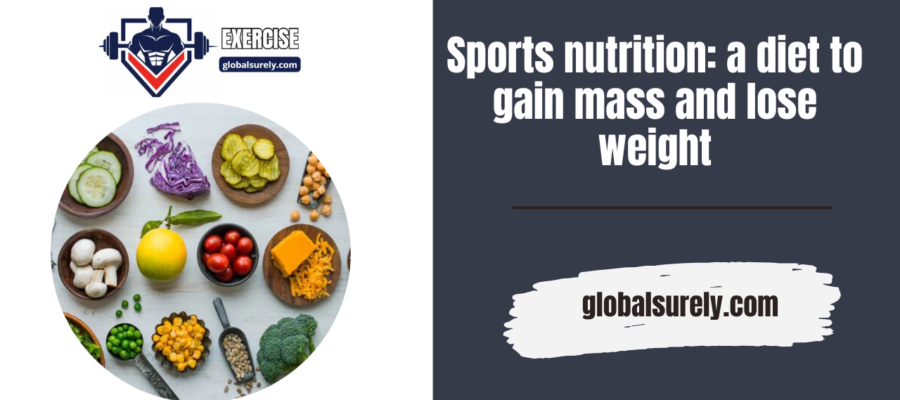
Nutrition during sport is one of the most important factors that determine the results of mass gain and weight loss. We need to distinguish two main groups of diets: diets to build muscle mass and diets to lose weight, burn fat or lose weight.
Sports nutrition
How to eat correctly, create a nutrition plan to get the maximum effect from the diet? You need to keep in mind some essential things: Proper nutrition requires basic nutrients: proteins, carbohydrates and fats, which must be combined in a certain ratio for the diet to be effective. It should also be borne in mind that proteins and carbohydrates are absorbed quickly or slowly, depending on the time of their consumption during the day. Good fats should dominate your diet.
Main sources of protein: chicken or turkey breast, fish, eggs, dairy products… Carbohydrates: cereals, fruit and vegetables… Source of “good” fats: fish oil, flaxseed oil, nuts.
Most ordinary athletes are busy during the day, so the problem arises of how to eat on time and correctly so that the diet is effective. In this case, food supplements often come to the rescue: proteins (protein powder) and mixtures of proteins and carbohydrates (gainers). To solve the problem of proper nutrition, we would like to offer you some dietary models…
Mass building diet
The right choice would be if proteins/carbohydrates/fats were combined in the ratio 20-35% / 50-70% / 10-15%. If your body’s metabolism is fast, the amount of carbohydrates in the diet should be greater, if it is slower (the body tends to accumulate fat), most should go to proteins.
You should know that carbohydrates are best absorbed by the body in the first half of the day, and it is not recommended to consume a lot of them in the evening, because during sleep, due to some processes taking place in the body, most of them will be converted into unnecessary body fat. In addition, a mixture of carbohydrates and proteins (gainers) is also suitable in a mass gain diet. This dietary supplement should be chosen with 20-40% protein and 50-70% carbohydrates. Also, it should be based on whey protein as a protein source, and most of the carbohydrates should be slower-absorbing (usually maltodextrin) instead of sugar or glucose… You can also make a profit by using protein: mix banana or oat flakes in the protein shake.
I will try to present a possible nutritional model for mass gain for the working student athlete who trains in the evening:
8:00 Breakfast: eggs, porridge
10.30am Protein and carbohydrate cocktail
12:00 Lunch – meat or fish dish with potatoes or parmesan, vegetables
3pm Ricotta (a can of tuna in its own juice), bananas, a handful of nuts
5.30pm Protein-carbohydrate cocktail
6.00pm Training
Protein and carbohydrate shake immediately after training
7.30pm Dinner – meat or fish dish with potatoes or parmesan, vegetables
9.00pm Ricotta (a can of tuna in its juice)
This is just one of many possible nutritional options. Remember that you have to calculate the specific quantities of the products yourself, because the amount of kcal needed by the body can be different and depends on body weight. Calculate the amount of kcal needed per day to maintain body mass and add 10-12% to this amount – you will get the amount of kcal needed for mass growth. By the way, this extra amount of kcal should be compensated by carbohydrates…
In general, the heavier you are, the more you need to eat, just remember to stick to the nutritional proportions above. You can find calorie calculators online. You can also find information about how many and what nutrients are present in a particular product on the Internet. So, eat well, eat right and grow!
Slimming diet
When losing weight, the diet is more dominated by proteins and the amount of carbohydrates is reduced. We recommend the following protein/carbohydrate/fat ratio: 30-45% / 45-60% / ~10%. Again, you should keep your body’s metabolism in mind. In this case, the protein-carbohydrate cocktail should be replaced with a protein (protein) cocktail. It is necessary to include cardio activities in your training (jogging, cycling). To start using fat energy for increased energy needs, the calorie intake needed to maintain body mass should be reduced by 3-5%. Servings should be distributed in small portions so that the body can absorb nutrients better.
Here is a possible weight loss diet model for the busy athlete:
8:00 Breakfast: eggs, porridge
10.30am Protein smoothie, fruit
12:00 Lunch – meat or fish dish with porridge, vegetables
3.00pm Ricotta, a handful of walnuts
5.30pm Training
Protein shake immediately after training
7.30pm Dinner – fish dish, vegetables
9.00pm Ricotta
Dieting is a complicated matter. Each case requires a detailed individual analysis. The meal plan templates provided should not be considered the only correct ones… Good luck in achieving your goals!
latest posts published
Protein for athletes: TOP questions and answers
What is cardio?

How to lose weight and lose weight correctly?

benefits and possible harms
Exercises for shoulder muscles
Creatine monohydrate: use, suggestions and observations

Health Benefits of L-Carnitine and Other Benefits
Muscle Strength Training (Mike McErlane)

Weight loss: how to get rid of fat?