

Find low-cost rental property insurance USA for Landlords
You stood in a dimly lit hallway, keys in hand, and wondered how much protection you really needed for your new building. The repairs were done, tenants moved in, and now the monthly bills felt heavier than the mortgage.
That moment pushed you to compare quotes from tech-forward brokers like Obie and classic carriers such as Allstate and USAA. You learned that smart choices dwelling limits, liability limits, and monitored alarms can cut costs without leaving gaps in coverage.
This guide helps you weigh real features, spot meaningful discounts from Steadily, CBIZ, and Travelers, and use a buyer’s checklist before you sign. You’ll see how to protect cash flow and the building while balancing premium and deductible for long-term gains.
Table of Contents
- What landlord insurance is and why you need it as a rental property owner
- The essential coverage you should make sure is in your policy
- What determines the cost of your landlord insurance premium
- Smart ways to lower costs without cutting critical coverage
- Best low-cost landlord insurance companies to consider today
- low-cost rental property insurance USA: how to compare real quotes
- Special situations: short‑term rentals, vacant homes, and renovations
- Protecting your income: making sure loss of rent coverage fits your needs
- Risk management moves that can cut claims and premiums
- Buyer’s checklist: the policy details you need to know before you buy
- You’re ready to protect your rentals and your bottom line
What landlord insurance is and why you need it as a rental property owner
Once a tenant moves in, the policy that protected your family may no longer protect your investment. Landlord insurance is made for 1–4 unit rentals and focuses on the building, systems, and on-site furnishings you provide.
This coverage commonly includes the dwelling, attached systems, appliances, and other structures such as sheds. Lenders often require this coverage before approving financing, so you can’t skip it if you’re borrowing against the home.
How it differs from homeowners coverage
Homeowners plans protect an owner-occupied home and personal belongings. By contrast, landlord policies center on the structure and offer add-ons like liability and loss of rent.
"Make sure your agent clarifies which parts of the building are covered and what perils apply."
What tenants should cover
Your policy does not protect a tenant’s personal property. Require renters coverage so tenants can protect phones, clothes, and other items. Policies from carriers like Lemonade also include liability and loss-of-use benefits and can be activated quickly via app.
- You need landlord coverage because occupancy changes your risks and lenders expect it.
- Tenant policies cover personal property, some water damage, theft, and guest liability.
- Talk to your agent to confirm exclusions and limits so you know who covers what after a loss.
| Coverage Area | Landlord Policy | Homeowners Policy |
|---|---|---|
| Building structure | Yes | Yes |
| Owner personal belongings | No | Yes |
| Loss of rent | Optional | No |
| Tenant personal property | No | No |
For a concise primer on forms and common exclusions, see this quick guide to landlord coverage.
The essential coverage you should make sure is in your policy
Before you sign, confirm the specific coverages that protect your building, income, and legal exposure. Below are the core areas to check and simple actions you can take to close gaps.
Dwelling, other structures, and systems
Make sure the dwelling is insured at replacement cost, not just market value. Also confirm coverage for detached structures and major systems so big repairs aren’t out of pocket.
Personal liability and medical payments
Confirm liability limits that protect your assets. Medical payments help handle minor guest injuries quickly and can reduce lawsuits.
Loss of rental income and loss of use
Verify loss of rent (loss of use) is included and know the time limit. This replaces fair rent while the unit is repaired after covered damage so your income continues.
Add-ons worth considering
Think about building code/ordinance, umbrella limits, and flood standard plans often exclude flood. Travelers, Allstate, USAA, and CBIZ offer endorsements for furnishings, sewer backup, vandalism, and business income for short-term setups.
"Ask for a sample declarations page and exclusions list so you know exactly what a claim will pay."
Premiums begin with location and the real cost to rebuild, not just market value. Carriers price your plan based on local construction costs, materials, age, and the number of units that need repair or replacement.
Property factors include construction type, roof age, and size. Those elements shape the rebuild amount insurers use to set your price.
Usage and risk also matter. A long-term, fully occupied unit often costs less to insure than a frequent short-term rental or a vacant home. Monitored alarms, fire sprinklers, and regular inspections lower perceived risks.
Policy choices change your cost directly. Higher coverage limits and added endorsements raise the premium. Increasing the deductible usually lowers the amount you pay each month but raises your out-of-pocket if you file a claim.
- Your premium reflects rebuild cost, location, and unit count.
- Usage patterns short-term vs long-term, vacancy, or renovations adjust risk and price.
- Ask how endorsements or changing a deductible alter your total cost and break-even point.
Insurers such as USAA, Steadily, Allstate, and CBIZ tailor rates to these details. For a deeper look at specific variables that affect pricing, read this cost factors of landlord insurance.
Smart ways to lower costs without cutting critical coverage

A few targeted changes bundles, alarms, and a clean claims record often mean big savings at renewal.
Bundle your policies to unlock multi-line discounts. Companies like Allstate and USAA reward you when you combine landlord coverage with auto or homeowner plans. That reduces your overall premium while keeping essential coverage in place.
Install monitored safety devices. Monitored smoke, CO alarms, water sensors, and security systems lower the chance of big losses. USAA, Steadily, and Lemonade offer price breaks for verified devices. Document installations and share receipts so underwriters see the lower risk.
"Ask your agent to re‑underwrite after upgrades a new roof or security system can justify a lower rate."
Keep a clean claims record; USAA notes up to 15% off after five claim‑free years. If you own multiple properties, request portfolio pricing from Steadily or a broker like Obie.
- Right‑size limits don’t overinsure minor contents, but keep liability and loss of rent.
- Compare two to three companies each year and compare quotes to spot better options without sacrificing protection.
- Encourage tenants to carry renters coverage to reduce small claims and stabilize your rates.
Best low-cost landlord insurance companies to consider today
Choosing among carriers is less about brand and more about matching coverage to your needs. Below are leading companies and where each shines so you can compare fast.
Obie - tech-driven brokerage
Obie matches your unit with competitive options across multiple carriers. Founded in 2017, it offers instant quotes for SFRs, condos, duplexes, and vacant or rehabbed homes. Many users report meaningful savings vs. traditional offers.
Allstate - bundling and endorsements
Allstate is a long-standing company with solid bundling discounts and a wide range of endorsements like vandalism, burglary, and building code coverage. It’s a good fit if you want simple bundle savings.
Steadily - portfolio and safety discounts
Steadily prices competitively for landlords with multiple properties. It offers fast quotes, portfolio pricing, and security system discounts. Trustpilot and Google reviews highlight quick service and clear communication.
USAA, CBIZ, and Travelers - niche strengths
- USAA focuses on 1–4 unit rentals with broad discounts, liability and loss of income options, and add-ons like flood and umbrella.
- CBIZ specializes in vacation rental hosts, bundling commercial general liability and business income loss for short-term listings.
- Travelers helps small residential landlords (1–4 units) tailor policies through agent support.
| Company | Best for | Key feature |
|---|---|---|
| Obie | Tech quotes | Instant multi-carrier matches |
| Steadily | Multiple properties | Portfolio discounts |
| CBIZ | Vacation rental | Commercial liability + business income |
Tip: Compare these companies to your needs bundling, portfolio pricing, or short-term protections to balance cost and coverage before you buy.
low-cost rental property insurance USA: how to compare real quotes

A side‑by‑side quote review helps you spot gaps that a single price number hides. Match the dwelling limit, other structures, liability, and the loss‑of‑rent time frame before you compare premiums.
Coverage apples‑to‑apples: limits, perils, and exclusions
Carriers differ on included perils and exclusions. Allstate adds vandalism and building‑code endorsements while USAA bundles loss of rent and umbrella or flood options.
Check named‑peril vs. special‑form wording and confirm water backup, theft, and long‑term seepage exclusions. Ask your agent for specimen policy pages so wording is clear.
Higher deductibles lower your premium, but model the break‑even. For example, a $1,000 deductible might save $120/year vs. a $2,500 deductible that saves $220/year.
Factor in your historic claim frequency and reserves to decide the best deductible amount. Use a broker like Obie to surface options across companies and then compare landlord insurance quotes for broader market checks.
"Compare exact limits and specimen policy pages so you know what a claim will really pay."
Special situations: short‑term rentals, vacant homes, and renovations
When you list a home for short stays or leave it empty between tenants, your standard coverage may not respond as you expect. Each scenario changes risk for damage, liability, and loss of income.
Home sharing and Airbnb: what extra coverage you may need
If you host short-term guests, consider commercial general liability and business income loss options that typical landlord insurance often omits. CBIZ specializes in vacation rental plans and packages building and contents replacement, guest damage, sewer backup, and even optional bed bug cleanup.
Obie and Steadily can also place short-term listings nationwide. Confirm your carrier allows home sharing and ask for the endorsements in writing.
Vacancy and rehab periods: staying protected between tenants
Extended vacancy can limit or cancel a policy. Ask about a vacant home endorsement or a form that permits turnover and rehab work.
- Verify theft coverage for building materials and contractor liability during renovations.
- Keep receipts, inspection reports, and photos insurers use those to tailor terms and pricing.
- If you furnish homes, insure landlord-owned contents at true replacement value.
"Confirm short‑term activity and vacancy terms before a loss your agent should show any required endorsements."
For a quick cost check on short-term setups, see this guide from Obie.
Protecting your income: making sure loss of rent coverage fits your needs
A covered loss can halt rent and strain your cash flow. Loss of rent (loss of use) replaces fair rental value while a unit is uninhabitable after a covered property damage event.
How insurers calculate fair rental value and time limits
Insurers use market rents, signed leases, and policy caps to set fair rental value. Time limits commonly run by months; Travelers advises you confirm the maximum period before you buy.
Note the triggers: payments start only when a covered damage event makes the unit unusable. Vacancies and tenant nonpayment are not covered.
Coordinating business income coverage with your reserves
If you run short-term listings, consider business income coverage that tracks seasonal rates. CBIZ offers tailored lost rental income for hosts and clear limit language.
- Check premium impact if you raise the loss-of-rent limit.
- Set reserves to bridge deductibles and slow rebuilds.
- Document rents with leases and market comps to speed payouts.
"Confirm time limits and how fair rental value is calculated so payments match realistic repair timelines."
| Trigger | Typical Limit | Real-world example |
|---|---|---|
| Covered property damage | 3–12 months | Kitchen fire displaces tenant for 4 months |
| Vacancy or nonpayment | Not covered | Loss from empty unit not paid |
| Short-term host coverage | Custom limits | Seasonal income protected by business income add-on |
Small, smart changes to how you manage tenants and maintenance can cut claims and lower premiums. A clear plan stops many common losses and shows carriers you manage exposure.
Tenant screening, inspections, and documented maintenance
Screen tenants thoroughly and verify references to reduce avoidable property damage and liability claims. Standardize make-ready checklists so you catch leaks, loose handrails, and tripping hazards before a new lease starts.
Schedule routine inspections for roof, gutters, HVAC, and plumbing. Keep service logs and receipts documentation helps with claims and can improve renewal terms.
Safety upgrades: alarms, water sensors, locks, and lighting
Install monitored smoke and CO alarms, water leak sensors, smart shutoff valves, and security systems. Carriers like USAA and Steadily offer credits for these devices, and Travelers values scaled coverage for other structures and furnishings.
- Improve exterior lighting, door hardware, and window locks to deter theft and vandalism.
- Educate tenants on shutoffs and reporting faster response limits damage and downtime.
- Keep inspection reports handy; CBIZ factors equipment and checks into short-term pricing.
"Preventive steps lower claims and help you keep the coverage you need at better rates."
Buyer’s checklist: the policy details you need to know before you buy
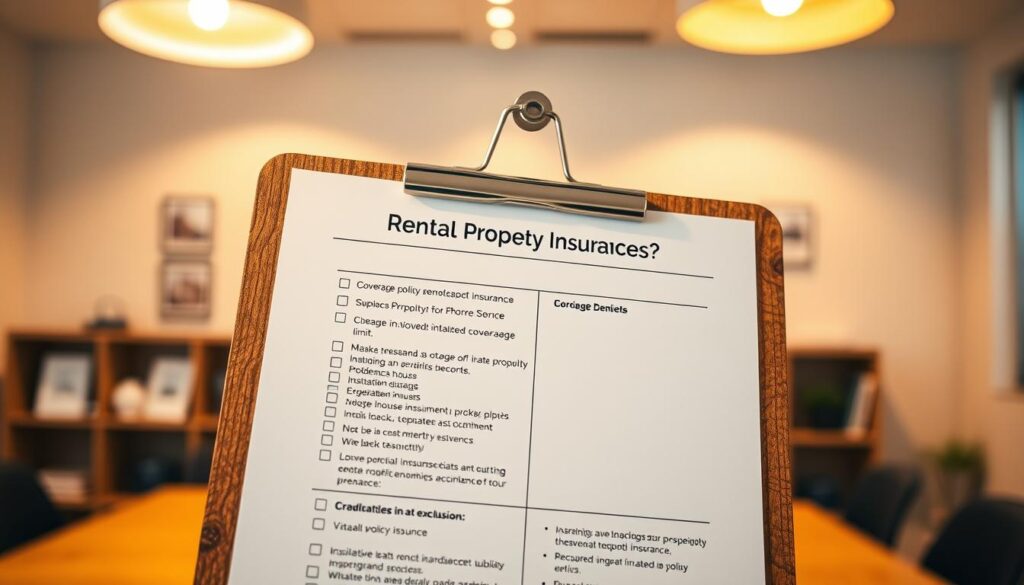
Before you bind a plan, make a short checklist that ensures the policy matches the real risks you own. Use this list while you review quotes from any company so you don’t miss key gaps.
Confirm the dwelling limit equals true replacement cost, not market value. Ask your agent for a rebuild cost estimate and update it yearly for labor and material inflation.
Verify other structures coverage for garages, sheds, and fences. Scale limits if you own detached buildings or shared elements on small multifamily units.
Check liability limits and weigh an umbrella if your assets or tenant mix increase exposure. CBIZ and Travelers publish limit details for commercial liability and lost income—compare those when relevant.
- Loss of rent: Ensure it uses fair rental value and offers enough time to cover typical repair durations in your area.
- Water and exclusions: Clarify burst pipes, sewer backup, and flood exclusions; add endorsements or separate policies as needed.
- Deductibles and contents: Pick an amount that fits your reserves and list landlord-owned appliances and furnishings to set accurate coverage.
Ask about discounts for bundling, monitored alarms, and claim-free history. Request certificates early if a lender needs proof before closing.
You’re ready to protect your rentals and your bottom line
You’ve run the numbers and toured the units now lock in a plan that protects your cash flow and the building.
Start with a quick quote sweep: try a tech broker like Obie, then compare offers from Allstate, USAA, Travelers, and Steadily. CBIZ is a smart option for short-term listings, and Lemonade makes it easy for tenants to add renters coverage.
Match must-have protections dwelling, liability, and loss of rent to your exposure. Use savings levers right away: bundle, add monitored alarms, and document a clean claims history to lower your premium.
Set a deductible that fits your reserves and review limits yearly. Require renters coverage in leases so tenant claims don’t hit your plan. With your buyer’s checklist, you’re ready to bind the right policy and protect income, investment, and peace of mind.
🏠 Explore More Home Insurance Guides
View All Home Articles → Find Affordable Renters Coverage UK: Compare & Save

Apartment Insurance for Students Australia: Protect Your Belongings
Compare Renters Insurance Online UK - Get Best Quotes

Explore Luxurious Canadian Mansions for Your Dream Home

Luxury Home Insurance Australia: Protect Your High-Value Property

Emergency Home Recovery Insurance USA: Get Covered
Go up
Leave a Reply