
Best Insurance for Hybrid and EV Owners in US

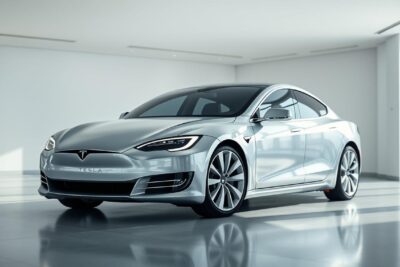
Surprising fact: Tesla battery packs can cost roughly $5,999 for a 75‑kWh unit and up to $15,500 for a 100‑kWh pack, a single data point that helps explain why coverage rates can be higher for electric cars.
You want clear guidance on how coverage, price, and repairs affect total ownership costs. This short guide shows what drives premiums, where savings hide, and how vehicle tech changes claims.
Expect practical tips: you’ll learn how model choice, repair networks, and battery costs shape what you pay. We cover policies and protections that matter most, from battery care to charging gear coverage.
Use this as a buyer’s cheat sheet to compare quotes, apply discounts, and tune protection so you get fair rates without surprises. For more on low rates and smart shopping, see our guide to low premium car insurance.
Takeaway 1: High battery prices can raise claim costs, so compare policy details closely.
Takeaway 2: Smart discounts, vehicle choice, and repair access can cut your premiums and boost savings.
Table of Contents
- The state of electric and hybrid car insurance in the U.S. right now
- What drives costs for EV and hybrid auto insurance
- Coverage options that matter for your electric or hybrid vehicle
- insurance for hybrid and EV owners
- How to lower your premium without cutting essential coverage
- Trends to watch that could bring EV insurance costs down
- Your next steps to get the best-fit policy at the right price
The state of electric and hybrid car insurance in the U.S. right now
If you're shopping now, you’ll notice policy quotes for electric models often sit above those for comparable gas cars. That reflects higher sticker prices and specialized repair work rather than worse safety or more crashes.
- Higher premiums on many electric vehicles because the average EV price is roughly $55,500 versus about $49,700 for combustion engines.
- Hybrids usually land between EVs and gas models since repairs are more familiar to most shops.
- IIHS‑HLDI 2023 found fewer collision and bodily injury claims for many EVs, though property damage claims can cost more.
Quick comparison
| Category | Typical price or trend | Effect on premiums |
|---|---|---|
| Average vehicle price | EV: $55,500 · Gas: $49,700 | Higher replacement costs raise quotes |
| Claim frequency | Some EVs file fewer claims | Can narrow the premium gap by model |
| Repair factors | Special parts, trained techs needed | Longer fixes often mean higher rates |
What drives costs for EV and hybrid auto insurance
Replacement value, parts scarcity, and repair time are the core factors that shape what you pay. High purchase prices raise total-loss exposure, so carriers factor replacement costs into quotes.
Batteries are the single biggest cost driver in many claims. A 75‑kWh pack can run about $5,999 while a 100‑kWh unit may approach $15,500. Other models fall roughly between $5,000 and $16,000 before labor.
Specialized components and limited non‑OEM options keep parts prices up. Booking repairs can take up to 25% longer, and longer cycle times raise rental expenses and claim totals.
- Limited data: Insurers often price with caution because long‑term trends for battery life and software issues are still emerging.
- Technician supply: Fewer trained technicians and specialized tooling slow repairs and add to out‑of‑pocket costs if rental limits are low.
| Driver | Typical impact | Why it matters | Result |
|---|---|---|---|
| Replacement value | Higher market price | Raises total‑loss exposure | Higher premiums |
| Battery cost | $5k–$16k (pack only) | Major repair or replacement cost | Claims may favor total loss |
| Parts & tech | Fewer non‑OEM parts | Longer fixes, higher labor | Increased claim payouts |
| New technology | Limited historical data | Uncertain degradation, software risks | Conservative pricing by insurers |
As repair networks grow and data improves, these factors should shift. For a quick budget comparison, check a concise budget comparison to see how model choice and coverage options affect your rate.
Coverage options that matter for your electric or hybrid vehicle
Pick protections that match how you use the vehicle and the tech under the hood. Start with core coverages, then add EV‑specific guards that fill gaps other drivers rarely face.
Core protections: liability, collision, and comprehensive
Liability, collision, and comprehensive work the same for plug‑in models as they do for gas cars. Liability covers damage you cause to others.
Collision pays for repairs after a crash. Comprehensive covers theft, fire, vandalism, and many non‑collision losses.
EV-specific considerations: battery, charging equipment, and roadside help
Ask how the policy treats charging equipment. Some companies include home charger damage under comprehensive or collision when a covered event causes it.
Emergency road service can tow you to a charger or offer portable charging assistance in select areas. Verify availability in your state.
Repair parts, OEM considerations, and rental car coverage during longer fixes
If you prefer factory‑correct repairs, check whether your policy allows OEM parts for high‑voltage modules and ADAS sensors.
Because repairs often take longer, raise your rental limits or daily caps. That prevents surprise out‑of‑pocket costs while your car sits in the shop.
| Option | Why it matters | What to ask |
|---|---|---|
| OEM parts endorsement | Preserves manufacturer standards and resale value | Does policy require or allow OEM for high‑voltage parts? |
| Charger coverage | Covers home or portable charger damage from covered events | Is home charging hardware included under comprehensive? |
| Emergency road service | Tow to charger or portable boost options | Are charger tow or mobile charging services available in your area? |
| Extended rental limits | Covers longer repair timelines | What is the daily cap and maximum days covered? |
Compare affordable full coverage car insurance options with an eye to battery handling, roadside help, and OEM repair rules.
insurance for hybrid and EV owners
Knowing how claims, repair time, and model choice change your quote helps you shop smarter.
EV vs. hybrid vs. ICE: rates, claim frequency, and severity
EVs often post fewer collision and bodily injury claims, according to IIHS-HLDI 2023, yet when property damage occurs it can cost more.
Expect higher base rates for many electric models because average prices sit near $55,500 versus about $49,700 for gas cars. Hybrids usually land between those extremes, with repair processes closer to traditional engines.
Repair dynamics: battery replacement and technician availability
Battery replacement commonly ranges from about $5,000 to $16,000 for the pack alone, before labor.
Fewer trained technicians and special tooling can extend scheduling by up to 25%, lengthening repairs and raising claim severity.
Model matters: why make and model can narrow or widen the gap
Two electric variants of the same model can show very different claim histories, parts costs, and calibration needs. Compare a like-for-like example electric vs. gas trim to see how frequency and severity change.
- Tip: Review an electric vehicle cost guide and an AAA cost overview to benchmark likely rates and repair trends.
Small, smart changes to your policy can shave meaningful dollars off your annual bill without cutting key protections. Start with discounts you already qualify for and work through sensible policy tweaks.
Discounts you can actually use
Stack easy credits like safe driver, pay-in-full, multi-policy bundling, and security-system discounts. Many insurers list these online, and Progressive notes customers often qualify for multiple reductions.
Compare quotes smartly
Get quotes three ways: an independent agent, direct carrier sites, and comparison tools. AAA recommends meeting with an agent to review options at no cost.
Telematics and tune-ups
Enroll in usage-based programs if you drive less; they reward low mileage and careful habits. Also, right-size deductibles, raise them where you can afford the risk, and review limits annually.
| Action | Why it helps | Next step |
|---|---|---|
| Stack discounts | Direct premium cuts | Confirm eligibility with your insurer |
| Compare quotes | Find better value | Use agent, carrier site, and a tool |
| Telematics | Rewards safe, low-mileage driving | Try Drive Safe & Save or pay-per-mile |
| Policy tune-up | Avoid gaps during long repairs | Adjust deductibles and rental limits |
For tips on green-car savings and cheap quotes, see a guide on how green cars can slash costs at green car savings and check quick cheap quote tools.
Trends to watch that could bring EV insurance costs down
Market shifts are starting to cut long-term costs and narrow the premium gap.
Battery prices are trending down as makers scale LFP chemistry and boost production. Lower pack price reduces total‑loss exposure and can shrink claim severity over time.
Insurers are launching tailored options that cover home chargers and public charging incidents. Expect more pay‑per‑mile and usage plans that match low-mileage driving patterns.
Repair networks and parts supply
More shops are training on high‑voltage systems and stocking specialized parts. Today it can take up to 25% longer to book repairs; expanding capacity should shorten cycle times and cut rental costs.
"With better data and more parts availability, rates will reflect real-world risks rather than cautious premiums."
| Trend | Near-term effect | Why it matters |
|---|---|---|
| LFP batteries | Lower battery price | Reduces claim and replacement costs |
| EV-specific options | Charger coverage, pay‑per‑mile | Limits surprise out-of-pocket costs |
| Repair network growth | Faster repairs | Shorter downtime and lower claim totals |
Watch these trends and review your policy as rates adjust. Small changes can lead to real savings and better safety outcomes for your vehicles.
Your next steps to get the best-fit policy at the right price
Make a short checklist of essential coverages before you request quotes.
Decide on liability, collision, comprehensive. Confirm whether your policy also covers charging hardware and roadside help that can tow to a charger or offer mobile charging.
Get one quote from a direct carrier, one from an independent agent, one via a comparison tool. Compare price, claim service, EV experience, plus available discounts like bundling, safe driver, pay‑in‑full, and security credits.
Check rental reimbursement limits, OEM parts preferences, and usage‑based auto options if you drive less. Document mileage, commute, garaging, charging habits. Review your policy annually as rates, parts supply, and battery warranties change.
🚗 Explore More Auto Insurance Guides
View All Auto Articles → Lower Your Premiums with Green Vehicle Insurance Discounts
Find the Best Auto Insurance for Tesla Drivers

Use Our Cheap Auto Insurance Comparison Tool

Car Insurance Comparison Sites: Compare Quotes & Save

Compare Motor Insurance Quotes 2026: Get the Best Deals

UK Car Insurance Comparison for Students - Cheap Quotes
Go up
Leave a Reply