
extreme adventure medical insurance Canada: Protect Your Adventures
Surprising fact: a single mountain rescue can cost more than $50,000 and that bill often lands with you if your policy does not cover high‑risk activities.
You want peace of mind before you drop into a couloir, clip into a route, or paddle a rapid. The right travel insurance plan lets you protect your adventures and focus on the fun.
In this buyer’s guide you’ll get clear, friendly advice on what coverage you actually need for backcountry, mountain, air, water and wheels‑based pursuits while you travel.
We’ll explain how insurers define "adventure" and what that means for hospital care, evacuation and on‑trip treatment. You’ll see which sports are included and which need add‑ons, so you don’t overpay or leave gaps.
Before you buy, check practical tips and official guidance for travellers who take risks: advice for adventure travellers. That step helps you match your plan, cover limits and budget to the activities you actually plan to do.
Table of Contents
- Why extreme adventure medical insurance matters when you travel from Canada
- What activities can be covered under extreme adventure medical insurance Canada
- Coverage essentials to look for in an adventure travel insurance policy
- How to compare plans and buy with confidence today
- Ready to protect your next Canadian adventure
Why extreme adventure medical insurance matters when you travel from Canada
When you leave home or go off-grid, your public health plan often stops protecting you. That gap can leave you paying steep hospital bills, evacuation costs and other emergency expenses if you have an accident abroad or deep in the backcountry.
What you’re buying is protection for the big, costly events: emergency medical assessment, hospital care, diagnostic tests, surgery if needed, and coordinated evacuation or air transport when local care can’t help.
Some policies add adventure sport options that cover climbing, backcountry skiing and ice climbing. For example, TuGo® can include optional coverage for those activities and benefits such as hospital treatment, emergency air transport, body repatriation and emergency dental, with options starting near $15 per day.
- 24/7 assistance teams coordinate care and contact local hospitals so you get help fast.
- Even a seemingly small injury can become a large claim World Nomads lists a paid example for a sports ankle injury treated overseas.
- If you ski, climb, dive, bike or travel with team sports, plan your protection to match higher risks.
| What can happen | Who helps | Typical benefit |
|---|---|---|
| Hospital admission abroad | Policy + 24/7 assistance | Coverage for treatment and tests |
| Emergency evacuation | Assistance team coordinates air transport | Evacuation to suitable care facility |
| Repatriation or dental after injury | Optional policy add‑ons | Return home or emergency dental care |
For official guidance before you buy, check advice for travellers and sport risks. For low-cost personal health coverage options, see this low-premium coverage example.
What activities can be covered under extreme adventure medical insurance Canada
Confirm activity coverage ahead of time coverage often hinges on exact terms and equipment used. Read the policy list and match the names you use on a trip to the insurer’s wording.
Snow pursuits usually include resort skiing and snowboarding and guided backcountry days with licensed operators. Heli and cat skiing with a licensed guide are not automatically excluded. Out‑of‑bounds, fenced or roped‑off terrain is excluded. High‑risk snowmobiling (racing, endurance, high‑marking or unguided backcountry) is treated separately.
On the mountain, rock climbing, mountaineering and ice climbing are listed separately. Mountaineering uses crampons and ice axes; glacier hiking is classed as mountaineering. Indoor wall climbing may be excluded, so name the exact climbing style.
Wheels and trails cover mountain biking and downhill mountain biking on rough terrain. Water activities like kayaking and rafting are covered except Class VI whitewater. For scuba or free‑diving, depths over 40 metres usually need an add‑on.
- Air sports (parachuting, skydiving, BASE, hang gliding, paragliding, bungee) can be covered when listed.
- If an activity is not on the optional list and not excluded, it’s typically included under emergency cover.
Coverage essentials to look for in an adventure travel insurance policy
Not all policies handle rescues and air transfers the same way — read the fine print before you go.
Start by checking core benefits. Prioritize emergency medical care that covers assessment, diagnostics, treatment and physician fees. Make sure hospital coverage and emergency dental are included so you don’t face large out-of-pocket bills after a crash or fall.
Evacuation and air transport
Look for wording that covers medically necessary helicopter or air ambulance when local care can’t help. The policy should explain how transport is authorised and who coordinates it. TuGo® lists hospital treatment, emergency air transportation and body repatriation as standard benefits; optional sport cover starts near $15/day.
24/7 assistance, limits and activity rules
24/7 support matters: assistance teams pre-approve care, direct you to suitable hospitals and coordinate with guides. World Nomads provides 24/7 emergency assistance at +1 866 878 0192 (toll-free) or +1 416 646 3723 (collect).
- Confirm policy limits and sub-limits for evacuation, dental and repatriation.
- Verify which activities are included versus needing an add-on; guided heli- or cat-skiing with a licensed operator is often covered.
- Avoid excluded scenarios like roped-off terrain or Class VI whitewater.
How to compare plans and buy with confidence today
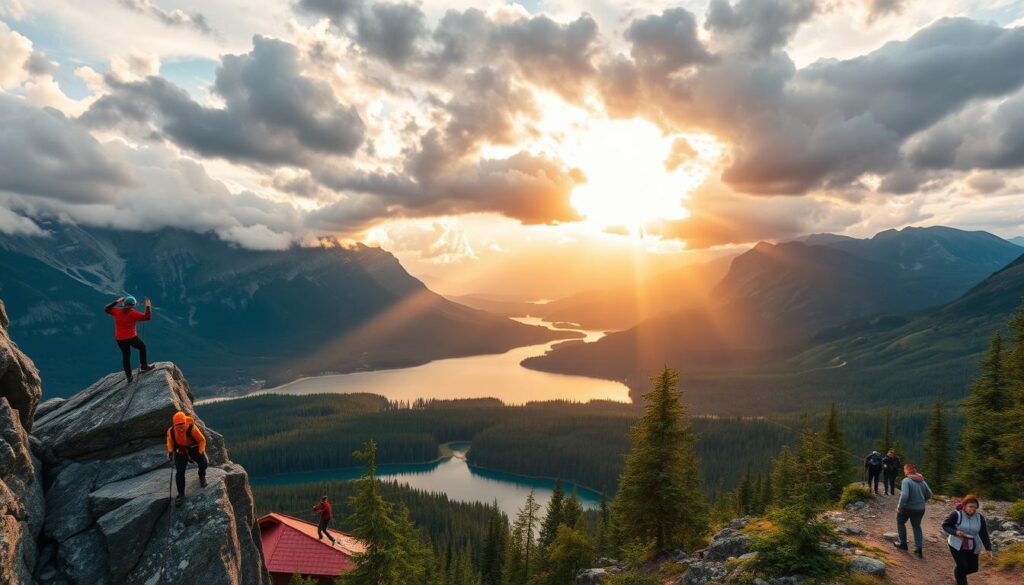
Before you buy, make a quick checklist so your plan matches every sport and event on your trip. Read the insurer’s activities list line by line and match each activity to your itinerary.
Key check: if a sport isn’t listed as an option and isn’t excluded, it is generally included under core emergency medical cover. Still, confirm any required optional Sports & Activities coverage for technical pursuits like mountaineering, ice objectives or downhill freestyle competitions.
Guided vs out‑of‑bounds
Ask your operator for written proof that the day is guided and within permitted terrain. Being with a licensed guide may remove the need to add heli or cat skiing to your policy. Treat out‑of‑bounds—roped‑off or closed areas as excluded.
Age rules and competitions
Declare team play and events precisely. If you’re 21+ and compete with a registered team in hockey, rugby or football, you usually add that sport. Downhill freestyle competitions and motorized speed contests have special rules or exclusions.
Policy setup tips
"Include every activity on your declaration but pay only the highest applicable premium."
- List every activity you plan to do and use the insurer’s exact wording for climbing, rock climbing, biking or hiking.
- Note equipment cues (crampons, ice tools) they can change how a day is classified.
- Scuba or free‑diving deeper than 40 metres and high‑risk snowmobiling need specific handling.
Ready to protect your next Canadian adventure
A quick final check of coverage can save you time, stress and unexpected expenses on the trail.
Review your list of activities, note any metres/depth limits for diving and confirm guided days for skiing, rock climbing, mountaineering or ice climbing.
Make sure hospital access, evacuation and air transport are in your plan. Add optional Adventure Sports cover where the activity list requires it TuGo® offers options for backcountry skiing and ice climbing from about $15/day.
Keep 24/7 emergency contacts handy: +1 866 878 0192 (toll‑free) or +1 416 646 3723 (collect). For a full activities list and what requires an upgrade, check the activities list.
Buy your travel insurance now, declare every sport accurately, and go enjoy your trip with confidence.
✈️ Explore More Travel Insurance Comparisons
View All Travel Articles → Adventure sports travel insurance USA: Protect your trip

Mountain Hiking Travel Insurance UK: Protect Your Trip
Scuba diving travel insurance Australia: Protect Your Dive

Backpacking Adventures Await in Australia
Get rock-climbing travel protection USA for Your Next Adventure
Go up
Leave a Reply