
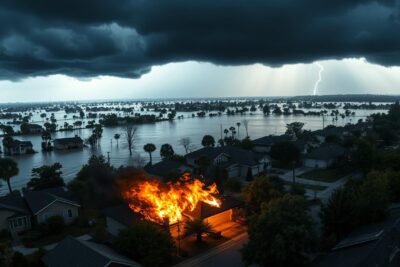
Protect Your Property with Disaster Protection for Landlords Australia
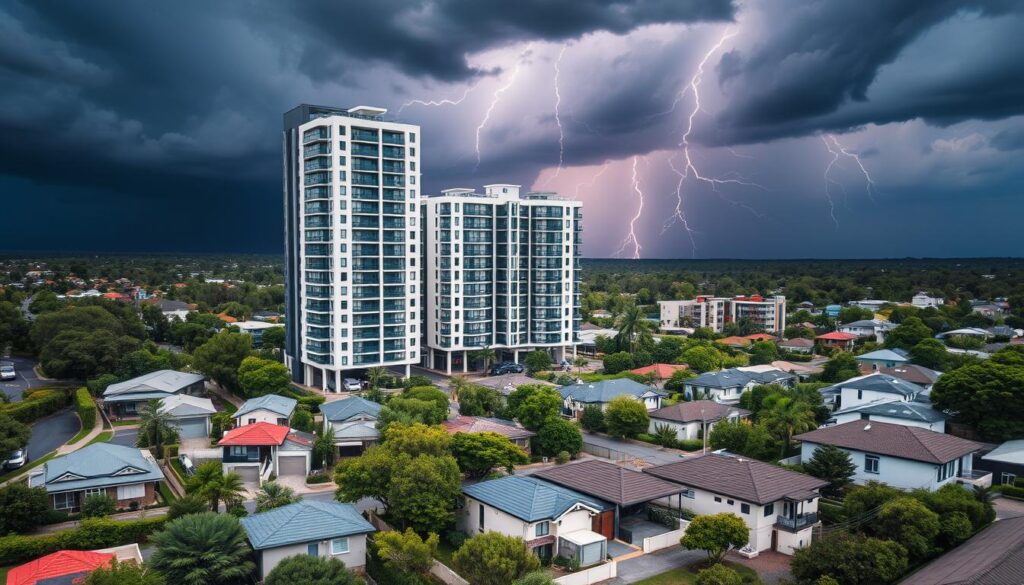
One in five rental properties in some regions faces severe weather damage each decade a figure that should make every landlord act now.
This short guide gives you clear, practical advice so you can protect your property and income before, during and after an event. You’ll learn the key differences between home and landlord cover, what insurers expect, and how to plan emergency steps that keep tenants safe.
Readable, step-by-step information on this page shows how to document damage, lodge a strong claim and manage urgent repairs. We link risk, cover and compliance into one plan so you can act with confidence.
To dig deeper into tailored underwriting and risk services, see specialised guidance at SGUA and clear policy notes at Globalsurely.
Table of Contents
- Why disaster readiness matters for your rental property in Australia
- Your legal responsibilities and urgent repairs during disasters
- Build a practical emergency plan for your property and tenants
- Strengthen the property before disaster strikes
- Insurance essentials: home insurance vs landlord insurance
- Disaster response and recovery: actions to take in the first 72 hours
- Communication, tenancy rights and responsibilities in disaster scenarios
- Take the next step: your guide to disaster protection for landlords Australia
Why disaster readiness matters for your rental property in Australia
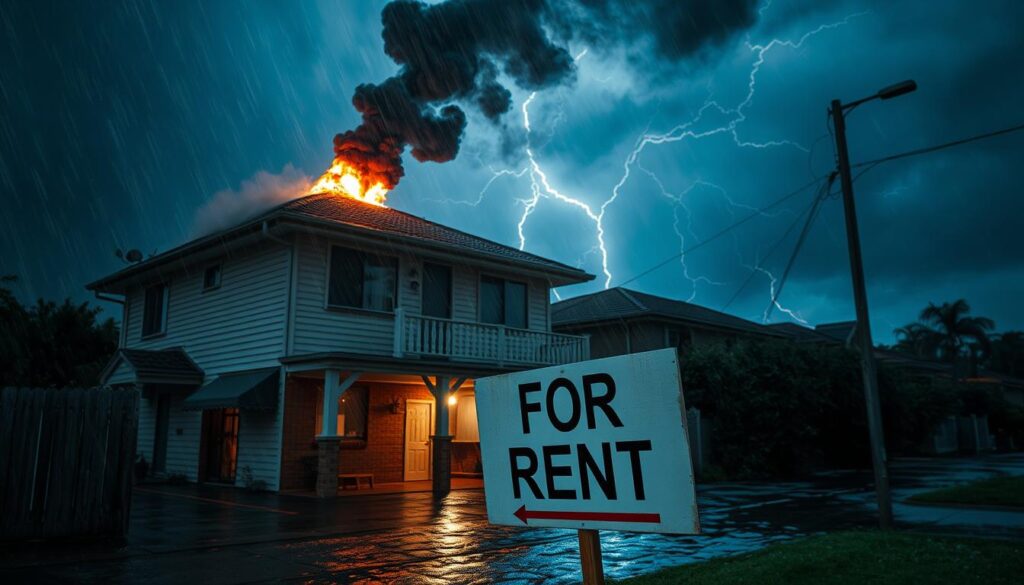
Knowing local risk zones and simple mitigation steps helps you keep your rental income steady and your tenants safe.
Australia faces frequent threats like flood, storm and fire, and those hazards can hit a rental property without warning. Understanding which risks apply lets you target small upgrades that cut damage and speed recovery.
A risk-first approach also improves claim outcomes. Landlord insurance can include building, landlord contents, legal liability and loss of rental income if the rental property becomes uninhabitable after an insured event. Optional cover may extend to malicious damage, theft by tenant and accidental damage so check the Product Disclosure Statement to see what’s included.
- Readiness reduces likely damage, speeds repairs and helps maintain rent flow.
- Simple works clearing gutters, trimming trees and fixing drainage cut wind and water harm.
- Documenting landlord contents and having a local service list (plumber, roofer, electrician) makes claims and make-safe work faster.
Brief your tenant with clear safety steps and emergency contacts. Good communication creates a record that supports your insurer and keeps everyone calmer while repairs are arranged.
Your legal responsibilities and urgent repairs during disasters
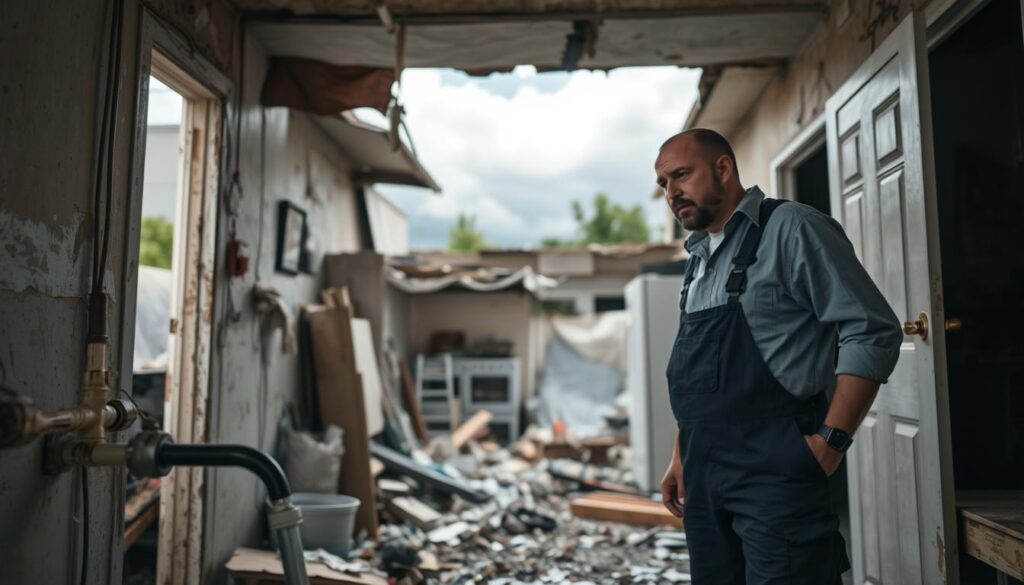
You must act quickly to restore a rental to a reasonable state of repair after major damage
Repairs vs cleanliness: what counts as the landlord’s job
The law requires you to keep the property in a reasonable state of repair. Large clean-ups after an event often go beyond a tenant’s normal cleanliness and are treated as repairs. That makes organising and funding the work your responsibility.
Urgent repairs defined
Urgent repairs include serious storm, flood or fire damage, major roof leaks and electrical faults. Any harm that makes the premises unsafe or insecure is also urgent. Temporary make-safe work, such as a tarp over a roof, counts as urgent repairs and should be done straight away.
Access, notice and tenant-arranged repairs
For urgent repairs you, your agent or tradespeople may need immediate access without consent. For all other work, you must give tenants two days’ notice before entry.
If you cannot be reached or refuse urgent work, a tenant may arrange repairs after giving written notice and keeping receipts. You must repay reasonable costs up to $1,000 within 14 days. If you do not reimburse, tenants can apply to NCAT within three months.
| Issue | Who acts | Notice | Timeframe |
|---|---|---|---|
| Urgent repairs | You / agent / trades | Immediate access | As soon as possible |
| Non-urgent maintenance | You arrange | 2 days' notice | Scheduled |
| Tenant-arranged repairs | Tenant pays then claims | Written notice + receipts | Repaid within 14 days |
| Unpaid reimbursement | Tenant may apply to NCAT | Application within 3 months | NCAT decision |
Keep clear written tenancy records, a shortlist of trusted services, and photos and invoices to support any claim and insurance conversations. If tenants must move out temporarily, use a short written agreement on rent abatement, storage and duration to protect everyone's rights.
For detailed guidance on tenant and landlord steps during major events see tenancy guidance.
Build a practical emergency plan for your property and tenants
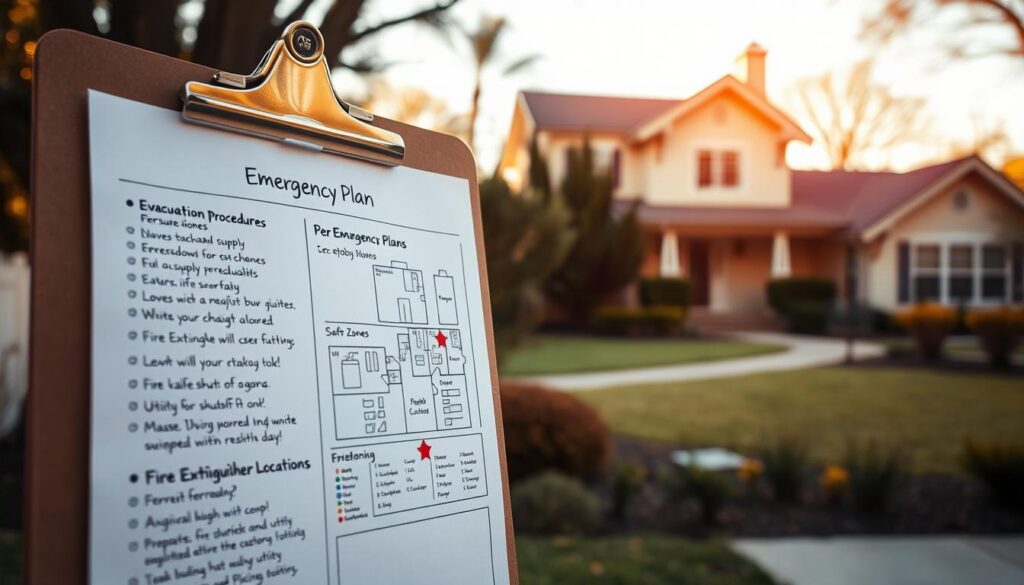
Prepare a clear emergency plan so everyone at the property knows what to do when warnings arrive. Share simple steps with your tenants and household members so actions are quick and calm.
Evacuation routes and drills
Map primary and alternate routes in case roads are blocked. Run short drills with household members, neighbours and renters so everyone can leave fast without panicking.
Communication plans
Decide who you will text, how you will mark yourself safe online, and what basic information to exchange after an event. Many services send warnings via apps and media, so encourage early evacuation when advised.
Pets and preparedness
Make sure pets wear ID tags, are registered with the local council and have current microchip details. That increases the chances of a quick reunion if you are separated.
- Keep a shared contact list of your agent, trusted trades and insurer so help is coordinated.
- Store copies of leases, photos of landlord contents and key documents in the cloud for remote access.
- Pack a small go-list with meds, chargers and a waterproof folder for critical papers.
Strengthen the property before disaster strikes
Take simple, seasonal steps now to reduce future damage and costs. A short audit and routine works cut the chance of major repairs and keep tenants safer when severe weather hits.
Maintenance that reduces damage: roofs, gutters, drainage and trees
Prioritise routine maintenance such as clearing gutters and downpipes, checking roof flashings and improving drainage grades. Trim trees to limit wind harm and inspect roofs annually.
Water and fire measures: flood barriers, sandbags, ember guards and defensible space
Add targeted measures where risk is higher. Simple steps include sandbags or door barriers in flood-prone spots, ember guards on vents and a clear defensible zone to lower fire attack.
Trades readiness: vetted contractors for temporary and permanent repairs
Line up licensed trades who can do make-safe work quickly and follow with permanent repairs. Keep a maintenance log, photos and invoices so insurers see you acted promptly.
- Use an annual checklist: roof checks, tree assessments and drainage tests.
- Consider gutter guards, backflow valves and surge protection as layered mitigation.
- Review your insurance and strata cover; some policies exclude certain natural disasters or landlord contents.
For wider resilience advice and practical planning, see climate risk guidance.
Insurance essentials: home insurance vs landlord insurance
Knowing how home cover differs from landlord cover helps you pick the right policy for a rented address.
Home insurance is designed for owner-occupiers and covers your home and personal contents. Landlord insurance is made to cover properties you rent out and the unique risks that tenancy brings.
What landlord insurance typically covers
Typical landlord insurance includes the building, landlord contents you supply, legal liability and loss of rental income if the rental property becomes uninhabitable after an insured event.
Optional covers may include malicious damage, theft and some legal expenses tied to tenant disputes.
Exclusions often include general wear and tear, neglect, some natural perils unless added, unoccupied limits and tenant belongings.
| Area | Usually covered | Common gap |
|---|---|---|
| Building | Fire, storm, insured perils | Flood/quake unless added |
| Landlord contents | Furnished items you own | Tenant belongings not covered |
| Loss of rent | Loss while uninhabitable | Short delay exclusion periods |
| Liability | Legal liability to others | Some legal costs optional |
Strata and short-term letting
In strata schemes the body corporate usually insures the building shell. You may still need cover for window treatments, wall AC or appliances you supply.
If you switch to holiday letting, always notify your insurer. See a clear comparison at landlord insurance vs building insurance and guidance on affordable options at low-cost rental property insurance.
Disaster response and recovery: actions to take in the first 72 hours
Take a short, organised set of actions in the first three days to secure the site and start recovery.
Safety first
Follow emergency services instructions and keep people away from hazards like live wires and contaminated water. Do not enter until authorities say it is safe.
Document the damage
Take timestamped photos and video of every affected room and the exterior. Make a simple inventory of impacted landlord contents and note when each image was taken.
Temporary versus permanent repairs
Secure the property quickly with tarps, boarding and isolating utilities to limit further damage. These make-safe works are temporary; get separate quotes for permanent repairs.
- Urgent repairs: you or your trades may enter immediately. Non-urgent works need two days' notice.
- If you cannot be reached and tenants arrange urgent work, expect written notice and receipts; reimburse reasonable costs up to $1,000 within 14 days or they may apply to NCAT within three months.
Rent abatement and relocation agreements
If the property is partly or wholly uninhabitable, set out a written agreement that covers rent abatement, duration away and responsibility for storage of goods.
Lodging an insurance claim and tracking communications
Start your claim early and keep a clear log of calls, emails, claim numbers and decisions. Submit final invoices and post-repair photos to close the claim and keep records for any dispute.
Practical tip: keep wet items out and hire qualified drying and sanitisation services to reduce mould and long-term loss.
For a short checklist of next steps after an event see after a natural event: 8 steps.
Communication, tenancy rights and responsibilities in disaster scenarios
Good communication keeps tenants calm and speeds practical repairs when the unexpected happens.
Keep tenants updated with clear, written messages about access times, safety notices and the stages of repair work. Short messages by email or text create a record that helps both sides and supports any future claim or dispute.
Clear updates to tenants: access times, repairs and safety notices
Respect tenancy rights by giving two days’ notice for non-urgent entry. Explain why urgent repairs may need immediate access for safety and security.
Share a simple schedule for when trades and services will attend. Give time windows, contact names and a single page of key contacts so tenants can plan and keep pets safe.
What tenants are and aren’t covered: contents vs landlord cover
Be transparent about insurance cover. Remind tenants that their belongings are not covered by your landlord policy and that they should consider contents insurance for their items.
If tenants must move out temporarily, agree on rent reduction, duration and storage or responsibility for goods in writing. Keep copies of every notice, agreement and invoice to protect both your rights.
- Use written notices for all non-urgent access and keep a log of urgent entries.
- Explain make-safe works versus permanent repairs and give realistic timeframes.
- Share reputable sources and a link to rental property guidance: rental property guidance.
- Check in after milestones so tenants feel supported and cooperation continues.
Take the next step: your guide to disaster protection for landlords Australia
Acting early on simple tasks saves time, cuts costs and makes any later insurance claim easier to manage.
Use this guide as a working checklist: block out time this week to update contacts, review sums insured and confirm your make-safe trade list. Compare landlord insurance options and check exclusions for floods, vacancy and tenant-related damage so you won’t be surprised at claim time.
Notify your insurer if you change to short-term accommodation and align your lease and entry notices with your emergency plan. Keep a one-page checklist of claim steps, photos to take and who to call first.
Need extra detail? See rental properties guidance at rental properties guidance and compare renters options with renters insurance quotes.
🏠 Explore More Home Insurance Guides
View All Home Articles → Protect Your Home with Flood and Fire Insurance USA

Emergency Home Recovery Insurance USA: Get Covered

Natural Disaster Coverage Australia: Insurance for You
Is Your Home Covered? Storm Damage Home Insurance

Protect Your Home with Earthquake Insurance Canada
Go up
Leave a Reply