

Compare Complete Car Insurance Quotes for Your Vehicle
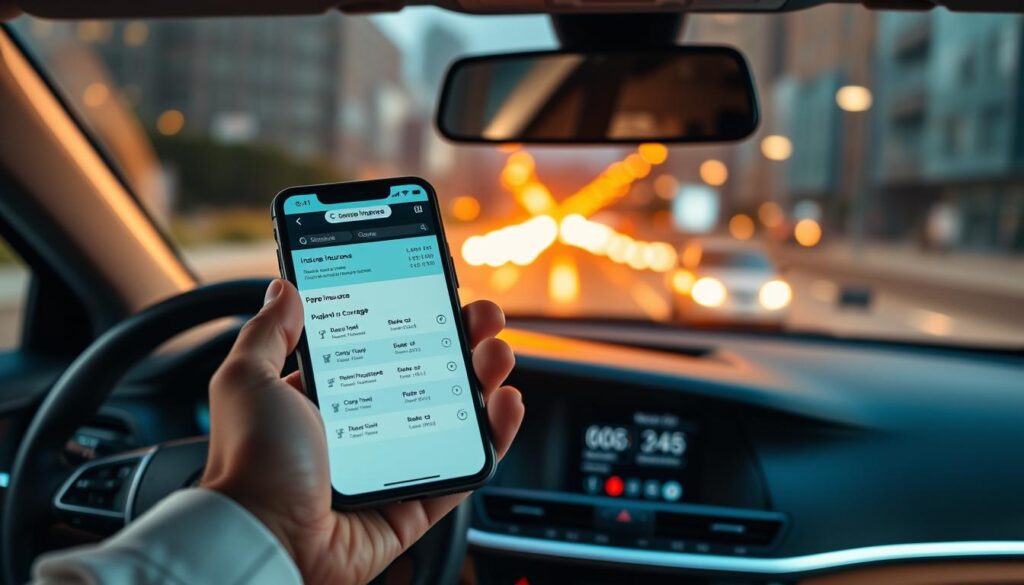
Surprising fact: when people compare up to 160 UK providers, 51% save an average of £517.83, according to Consumer Intelligence (October 2025).
You can start in minutes by entering a few essentials. This lets you compare options side by side and see which policy suits your vehicle and budget.
By comparing leading brands like AXA, Tesco, Admiral, AA, RAC and Churchill, you give yourself a fair shot at a lower premium without losing the protection your vehicle needs.
You’ll also explore what each level of cover includes, from courtesy cars to legal support and European driving rights. With market-wide results in one place, you can spot discounts and understand how they change your overall price.
When you find the right fit, continue seamlessly to finalise your quote and documents. For more detail on affordable full cover options, see affordable full coverage car insurance.
Table of Contents
- Why compare car insurance now to save and drive with confidence
- Complete car insurance quotes
- Comprehensive car insurance versus third party, fire and theft
- What influences the cost of your car insurance premium
- Average car insurance costs in the UK at present
- What you need to get a car insurance quote
- Optional add‑ons to tailor your policy
- Electric and hybrid car insurance considerations
- Uninsured driver cover and protecting your No Claim Discount
- MultiCar and multi‑cover discounts for households
- Telematics and black box options for safer drivers
- Driving other cars and foreign use: what’s covered
- How to compare across leading UK insurers
- Trusted by UK drivers: ratings, repair networks and support
- Making a claim: the steps to follow
- Ready to get covered? Start comparing complete car insurance quotes today
Why compare car insurance now to save and drive with confidence
Checking live market rates takes only moments and can reveal large savings. With up to 160 providers accessible, you can spot offers that match your needs and avoid paying outdated premiums.
Consumer Intelligence found 51% of customers saved an average of £517.83 when they compared. Confused.com reports an average annual cost of £757 (Mar–May 2025), so small changes in cover or excess can make a real difference.
Comparing helps you see discounts such as MultiCar or telematics and how different levels shift the price. You can test optional add-ons and evaluate service quality before you buy.

- Respond to market shifts so you do not overpay and secure suitable cover.
- Spot savings in real time and check how changes affect your premium.
- Include other drivers and keep auto‑renewal from increasing your costs.
| What to compare | Why it matters | Quick check |
|---|---|---|
| Policy level | Shows what incidents are covered and repair options | Compare limits and excess |
| Discounts available | Reduces your overall costs if eligible | Look for telematics or MultiCar deals |
| Service support | 24/7 helplines and approved repairers affect claim experience | Check reviews and guarantees |
Complete car insurance quotes
A like‑for‑like view helps you spot real value, not just the cheapest headline number.
When you request a quote you should line up the same level of cover, the same excess and similar add‑ons. This makes it easy to compare the true benefits and what you might pay if you claim.
What you’ll see in a like‑for‑like comparison
- Same level and excess so you judge value, not just price.
- Breakdown of optional extras hire vehicle, motor legal protection and personal injury limits.
- Service markers such as Defaqto ratings (Admiral has Defaqto 5 Star on select comprehensive tiers) and repair networks.
Raising your excess can reduce your monthly premium, but it increases what you pay at the scene of a claim.
Consider your cashflow and how often you drive before trimming cover or opting out of add‑ons. Some providers, like Aviva and Admiral, package benefits differently, so a slightly higher price may include extras that cut long‑term costs.
| Compare | Why it matters | Quick tip |
|---|---|---|
| Policy limits | Shows what incidents and repairs are paid | Check windscreen and courtesy car rules |
| Optional extras | Can save you when you need help | Toggle features to watch costs change |
| Service ratings | Affects claim experience | Weigh ratings alongside price |
Comprehensive car insurance versus third party, fire and theft
Choosing the right level of cover affects who pays after an incident. You can protect repairs, recovery and legal costs, or opt for a leaner policy that meets the legal minimum.
What comprehensive cover includes beyond fire and theft
Comprehensive car insurance usually pays for accidental damage to your vehicle as well as fire and theft.
It often adds features such as uninsured driver protection, vehicle recovery and legal costs. For example, Aviva’s comprehensive can include uninsured driver cover, assistance with recovery and help with legal fees where eligible.
When TPFT could suit your budget and risk
Third party, fire and theft (TPFT) protects you if you damage someone else and if your car is stolen or destroyed by fire.
It does not cover accidental damage to your own vehicle or your injuries. TPFT can suit older vehicles with low market value if you are happy to face repair bills yourself.
The legal minimum: third party only explained
Third party only is the minimum legal requirement in the UK. It covers your liability to others but not your repairs or medical costs.
Decide by weighing your vehicle’s value, how you use it and how much risk you can accept. Always compare what each type of cover actually includes before you buy see best car insurance deals online for options.
Insurers weigh a mix of personal and market details when setting your premium. These elements explain why two drivers with similar cars can see very different prices.
Age, driving history and years on the road
Your age and how long you have held a licence are primary risk indicators. Younger drivers tend to pay far more; for example, a 21‑year‑old averages about £2,093 per year versus much less for a 55‑year‑old.
A clean record with no claims or convictions usually reduces your costs. Every year claim‑free can help lower premiums on your insurance policy.
Location and vehicle group
Where you live changes the price because insurers track theft and accident rates by area. Inner London averages around £1,185 while northern England can be nearer £677 for similar cover.
The vehicle group and car value also matter. Cars that cost more to repair or replace push premiums up because claims are pricier to settle.
Broader market trends affect what you pay. Rising claims or repair costs can lift prices across the board, even if your profile stays the same.
Insurance Premium Tax at 12% is applied by law and shows in the total you pay. Annual mileage also alters exposure to risk: the more you drive, the more likely you are to make a claim.
- Each insurer weights these factors differently, so comparing helps you find who values your profile best.
Average car insurance costs in the UK at present
Average premiums vary widely, so knowing the national baseline helps you judge your own rate.
Typical annual and monthly prices today
Current market data shows the average cost sits around £757 a year, or roughly £63 per month (Confused.com, Mar–May 2025).
That national figure masks big differences: a 21‑year‑old averages about £2,093 a year. Inner London can be near £1,185 while northern England may be closer to £677.
Why young drivers pay more and how to cut costs
Younger drivers face higher prices because limited experience links to more frequent and costly claims.
Ways to reduce what you pay include choosing sensible levels of cover, increasing voluntary excess if you can afford it, and trying telematics for a driving‑behaviour discount.
- Compare regularly to uncover meaningful discounts; 51% saved an average of £517.83 when they shopped around (Consumer Intelligence, Oct 2025).
- Bundling multiple vehicles or building a no‑claims record also lowers year‑on‑year costs.
| Factor | Typical impact | Quick action |
|---|---|---|
| Age / experience | Largest upward pressure for young drivers | Consider telematics or higher excess |
| Location | Urban theft/accident rates raise premiums | Check postcodes and local market offers |
| Policy levels | Higher cover lifts the annual cost | Toggle extras to compare value |
| No‑claims history | Reduces cost over time | Protect and grow your discount |
What you need to get a car insurance quote
Gathering the right facts before you begin will save time and give you a more accurate quote. Start with the basics and keep everything to hand so you can complete the form in one go.
Your details and additional drivers
Have your name, date of birth and full address ready, including any recent address history. Insurers also ask for the date you'd like the policy to start some let you choose up to 60 days ahead.
Add any additional drivers who will use the vehicle. Provide each driver’s licence history and any claims or convictions. Accurate driver details ensure the price and cover reflect real use.
Your vehicle, usage, and cover level
Enter the vehicle registration to auto‑fill make, model and year, or type these in if needed. You should also state annual mileage, regular journey types (commuting or leisure), and any modifications.
Choose the level of cover and any extras up front so you can compare like for like. Be honest about previous claims and convictions errors can invalidate an insurance policy.
- Keep licence and address history to hand for a precise result.
- Include all drivers with accurate experience records.
- Use the registration to speed up vehicle details entry.
- Set a realistic start date and match entries across providers when you compare.
When you’re ready, you can check low‑cost options and compare with ease at best low cost auto insurance.
Optional add‑ons to tailor your policy
Optional extras let you shape cover so it fits how and where you travel.
Breakdown cover ranges from simple roadside assistance to national recovery and European help. Admiral, for example, offers unlimited UK roadside recoveries as an optional extra.
Breakdown cover levels and when they apply
You can pick basic roadside help if you mostly make short trips near home. Choose national recovery when longer journeys or motorway travel are common.
European breakdown cover helps if you drive abroad. Check limits and any call-out fees before you add it to your policy.
Motor legal protection and personal injury cover
Motor legal protection helps you reclaim excesses, loss of earnings and other uninsured losses after a non‑fault incident.
Personal injury cover provides a financial cushion if you or passengers suffer injury in a serious crash. It can reduce stress while claims progress.
Windscreen and hire vehicle cover
Windscreen cover typically pays for chip repairs and full replacements, saving time and expense on minor damage.
Hire vehicle cover keeps you mobile if your vehicle is written off or stolen. Some insurers bundle these extras within a comprehensive cover tier, so compare rather than add duplicate benefits.
| Add‑on | What it pays | When it helps |
|---|---|---|
| Breakdown cover | Roadside, recovery, European options | Long journeys, motorway or foreign travel |
| Motor legal protection | Recover excess, legal fees, loss of earnings | Non‑fault accidents with third‑party liability |
| Personal injury cover | Compensation for injuries to you or passengers | Serious accidents with medical costs or lost income |
| Windscreen & hire vehicle | Chip repairs, replacements, temporary transport | Minor damage or total loss requiring immediate travel |
Electric and hybrid car insurance considerations
With batteries and charging gear worth hundreds or thousands, you must check how your policy treats these items. EVs and hybrids need specific wording so you are not left out of pocket for specialist parts or theft.
Battery, charging cables and wallbox protection
Look for explicit cover for batteries, charging cables and home wallboxes. Aviva, for example, includes accessories such as cables and wallbox chargers on some policies.
Confirm limits, exclusions and whether repairs must use EV‑trained repairers.
Running out of charge and recovery support
Some comprehensive cover policies include out‑of‑charge assistance. Aviva provides help via the RAC for EVs, subject to distance and geographic rules.
"Check whether the policy covers public charger damage, cable trip incidents and on‑street theft."
- Not all providers treat EV and hybrid equipment the same read definitions and limits.
- If you often use public chargers, check how damage or theft is handled.
- Some insurers reward low‑emission models with a discount; compare to see who pays more for eco choices.
Uninsured driver cover and protecting your No Claim Discount
You want reassurance that a non‑fault collision won't erode years of no‑claims history.
Some comprehensive policies include specific protection if you are hit by an uninsured motorist. Aviva’s comprehensive tiers, for example, may refund your excess and preserve your No Claim Discount when you supply the other driver’s details.
Admiral offers a similar uninsured driver promise, so these features can soften the financial hit of someone at fault who has no cover.
Always check your insurance policy wording for exact conditions. Insurers typically require prompt reporting, witness details and any police references to process such claims.
- If you can provide the other driver’s details, your excess may be refunded.
- These safeguards help keep your discount intact after non‑fault claims.
- Not every provider includes this as standard, so compare what each cover offers.
- Ask at renewal whether you can buy extra NCD protection to shield future discounts.
| Feature | What it does | When it helps |
|---|---|---|
| Uninsured driver cover | Refunds excess and pursues third party where details exist | Hit by a driver with no insurance |
| No Claim Discount protection | Prevents loss of years of discount after non‑fault incidents | Valuable if you have long NCD history |
| Reporting requirements | Timescales, evidence and police reports needed | Timely reporting improves claim success |
| Optional NCD buy‑back | Allows you to buy protection at renewal | When you want added long‑term savings security |
MultiCar and multi‑cover discounts for households
Putting more than one vehicle on the same policy can simplify admin and reduce your yearly spend. Aviva, for example, offers 10% off when you add extra cars or vans (this excludes optional extras).
Admiral’s MultiCar and MultiCover options let you bundle vehicles and home cover together. This often saves money and makes renewals easier to manage.
Key benefits include aligned renewal dates, flexible cover levels per vehicle and a single point for policy management. That helps if drivers, mileages or risk profiles differ across your household.
- Discounts usually apply to the base premium, not always to add‑ons — check exclusions.
- Bundling home and vehicle cover can unlock extra savings and simpler admin.
- Compare a MultiVehicle policy with separate policies; one may be cheaper depending on drivers and cars.
- If you change a vehicle mid‑term, confirm how discounts adjust and whether admin fees apply.
Telematics and black box options for safer drivers
Telematics uses a small device or app to record how you drive, rewarding steadiness with lower renewal prices.
A fitted black box or smartphone app logs speed, braking, cornering and time of day. Insurers then build a risk profile and may offer a discount for smooth, low‑risk behaviour.
These plans are popular with younger drivers and anyone keen to reduce their car insurance cost over the years. Admiral’s LittleBox is a well‑known example that measures behaviour and gives feedback.
- Safer driving often brings lower renewal offers and tips to improve habits.
- Night‑time miles and heavy mileage can reduce your score, so check how your routine maps to policy levels.
- If others use your vehicle, make sure their driving won’t harm your overall result.
| Device | What it records | Best for |
|---|---|---|
| Black box (fitted) | Speed, braking, acceleration, time | Young or inexperienced drivers |
| App‑based telematics | GPS, trip times, driving style | Drivers who prefer no hardware |
| Hybrid (box + app) | Detailed behaviour plus feedback | Those who want coaching and data |
Compare providers and read terms. For a clear primer on how telematics policies work, see this telematics insurance guide.
Driving other cars and foreign use: what’s covered
Before you travel, check whether your policy lets you drive other people’s vehicles and what level of cover applies abroad.
Driving Other Cars (DOC) often gives only third‑party cover when you drive a vehicle you do not own. Many insurers limit DOC to the main vehicle policyholder and exclude named drivers or business use.
DOC limitations and eligibility
For example, Aviva’s comprehensive DOC applies to the policyholder only, if they were 25 or over at the policy start date. It provides third‑party only protection and will not cover named drivers or business trips.
Always read your certificate. Not every comprehensive policy includes DOC by default, and age or usage limits can apply.
Green Card Free Circulation and adding Foreign Use
From 2 August 2021 the UK rejoined the Green Card Free Circulation Area for listed countries, so you normally do not need a Green Card when travelling there. Your policy usually defaults to the minimum third‑party cover abroad unless you add Foreign Use.
- Foreign Use can extend your protection nearer to your UK level, typically up to 90 days per trip and 180 days per year on eligible policies.
- Adding Foreign Use usually does not extend DOC, courtesy vehicles, UK breakdown or Motor Legal Services while you are abroad.
- Before you go, verify country eligibility, the number of allowed days and any documents you must carry.
Check the fine print so your cover and policy details match your plans on the road and abroad.
How to compare across leading UK insurers
A clear method helps you compare dozens of providers without getting lost in small print.
Comparing up to 160 providers in minutes
Start by entering consistent details so every result is directly comparable. That makes it simple to filter by the cover levels you want.
Some comparison journeys show up to 160 providers with fast forms. Use the results to shortlist offers that match your mileage, use and excess preferences.
Why Defaqto 5 Star ratings and reviews matter
Defaqto 5 Star products, like Aviva and Admiral comprehensive tiers, indicate broad feature coverage rather than just low price.
Check independent review scores too a partner platform may show a TrustScore of 4.7 from 31,781 customers while Aviva often holds about 4.5/5 from 1,660 reviews. These ratings give insight into claims handling and customer support.
- Scan benefits and exclusions, then filter by the right levels of cover.
- Compare courtesy car terms, approved repair networks and windscreen limits.
- Shortlist a few policies and read documents before you buy.
| What to check | Why it matters | Quick tip |
|---|---|---|
| Cover levels | Determines what is paid after a claim | Match limits across providers |
| Customer reviews | Shows likely support and claim outcomes | Prioritise recent, high-volume scores |
| Repair networks | Affects repair times and parts quality | Choose guaranteed repairers if listed |
When you’re ready, use a trusted comparator to compare car insurance providers and complete your purchase with the policy that balances value and service: compare car insurance providers.
Trusted by UK drivers: ratings, repair networks and support
Strong ratings and a wide repair network mean you get faster help when you need it most. Look for providers that combine clear customer feedback with proven claims handling and scale.
Customer review scores and 24/7 helplines
Aviva scores about 4.5/5 from 1,660 reviews and has insured over 2 million vehicles across more than 100 years of service.
That scale matters: you gain access to experienced teams and, often, a 24/7 helpline for emergencies. Admiral, for example, offers a 24-hour emergency helpline (terms apply and excludes TPO customers).
Approved repairers, courtesy cars and guaranteed parts
Approved repair networks streamline the process and can guarantee parts and workmanship (terms apply). In 2024 Aviva repaired around 61,000 vehicles using its partner network.
- Check ratings and transparent reviews so you know how providers handle claims.
- Confirm courtesy car rules and whether it’s included with your level of cover.
- Ask about specialist care if your vehicle needs EV or hybrid expertise.
Consistent service is as important as price; reliability keeps you moving and is why many customers stay with trusted brands for years. For an independent view on provider performance, see this ratings guide.
Making a claim: the steps to follow
If you’re involved in an accident, tell your insurer as soon as you can. Prompt notification keeps the event on record and helps speed any later claim. Always prioritise safety first and call the emergency services if anyone is injured.
Information to gather at the scene
Stop safely and exchange names, contact details, vehicle registrations and insurer contact information with everyone involved. Note the road layout, junctions and any relevant signage.
Take clear photos of damage, licence plates, the road surface and surrounding area. These images support your version of events when you make claim.
Excesses, fault and non‑fault claims
Check your policy booklet for the excess amounts before you claim. You will usually pay the excess up front and recover it later if another party is found to be at fault.
Your insurer will decide if a claim is fault or non‑fault after investigating and seeking recoveries where appropriate. Use your insurer’s app or portal to upload evidence and track progress for faster resolution.
"Report every accident promptly; even if you do not make a claim immediately, it should be recorded with your provider."
| Action | Why it matters | How to do it |
|---|---|---|
| Collect details | Supports identification and recovery | Names, phones, registrations, insurers |
| Photograph scene | Provides objective proof of damage and layout | Multiple angles, close‑ups and wider shots |
| Report to insurer | Starts the claims process and preserves evidence | Use portal, app or helpline; keep reference number |
| Keep receipts | Evidence for hire, repairs or medical costs | Store invoices and correspondence in one place |
Note: Providers such as Admiral and Aviva publish clear claims routes and FAQs on their websites and apps. If you have motor legal protection, ask how it can help recover uninsured losses after a non‑fault incident.
Ready to get covered? Start comparing complete car insurance quotes today
A short search can show who values your driving profile and where real savings sit.
Use consistent policy details and you’ll see how level of cover, excess and optional extras change premium and protection. When you compare options, focus on service, repair networks and how a provider handles a make claim.
Ready to act? Visit compare options or check low premium options to shortlist a policy that fits your vehicle and budget.
🚗 Explore More Auto Insurance Guides
View All Auto Articles → Young Driver Car Insurance: Coverage You Can Count On
Get Comprehensive Auto Insurance Online Quotes Today
Total Vehicle Insurance Coverage: What You Need to Know
Compare and find the best car insurance deals online
Electric Car Insurance Rates in 2026

Affordable Electric Vehicle Insurance for Your EV
Go up
Leave a Reply