

Best house insurance for new owners UK: Top Providers & Reviews
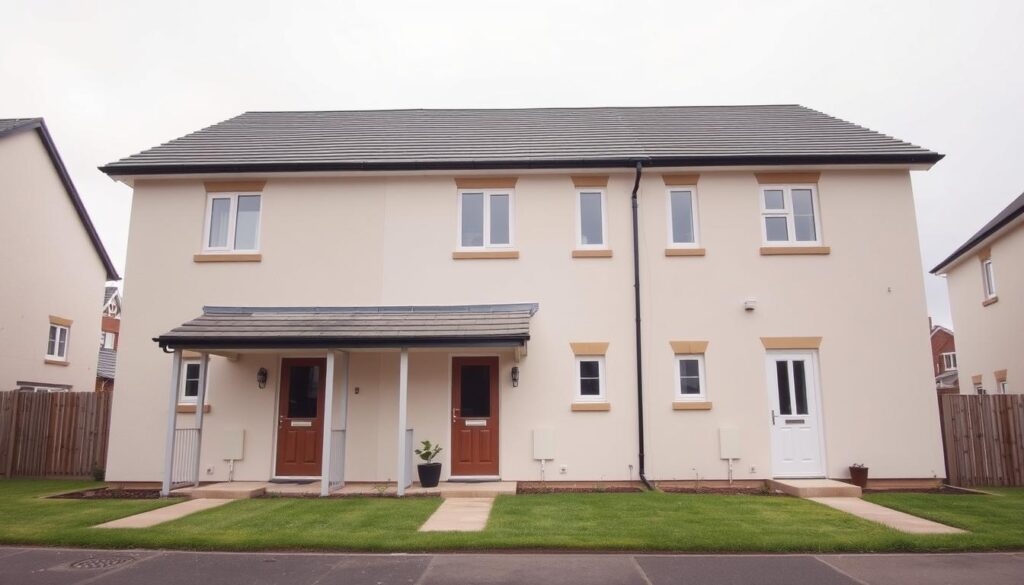
"The first rule is to protect what matters most." adapted from a widely shared thought on security.
You've just moved in and need clear, sensible cover that balances price with real protection. Here you'll find a friendly guide that helps you shortlist providers, compare policy features and avoid the common pitfalls people face when they claim.
Where to start: the average combined premium was £391 a year in Apr–Jun 2025, and Which? highlights NFU Mutual and Tesco Insurance among recommended providers after surveying thousands of customers and analysing 134 policy elements.
This introduction shows why policy detail matters as much as price. We’ll point out practical steps, from setting sums insured to documenting loss, so you can act with confidence and save time while settling into your new home.
For more on provider ratings and methodology see the independent review at Which? home insurance reviews.
Table of Contents
- Start here: what you need from home insurance as a new UK homeowner
- best house insurance for new owners UK
- Top UK providers at a glance: who stands out right now
- Aviva Home Insurance: strengths, add‑ons and who it suits
- Admiral Home Insurance: tiers, limits and value for money
- Buildings insurance explained: your structure, fixtures and outbuildings
- Contents insurance explained: protecting your possessions and high‑risk items
- Home emergency cover: when it helps and when it doesn’t
- Accidental damage cover: limited vs extra cover options
- Storm and flood cover nuances new owners should check
- Price factors and saving tips in the present UK market
- How to compare policies like a pro: scores, limits and wording
- Your next steps to secure the right cover with confidence
Start here: what you need from home insurance as a new UK homeowner
Work out whether you should insure the building, the contents, or both. This decision sets the scope of cover and the questions you’ll answer when you get a quote.
Buildings, contents or combined: choosing the right starting point
Buildings insurance protects the structure and fixtures walls, roof, windows and fitted kitchens or bathrooms from events such as fire, flood, vandalism, subsidence and vehicle or aircraft impact.
Contents insurance covers items you would take if you moved: furniture, white goods, electronics, soft furnishings and jewellery against theft or accidental damage.
Setting your cover level: rebuild value and contents value
Use the ABI rebuild calculator to set a realistic building sum insured and Which?’s contents calculator to total replacement costs. Set values at today’s prices, not purchase price.
- Combined policies are often cheaper and simpler than two separate plans.
- Choose an excess that reduces premium but won’t leave you out of pocket if you claim.
- Start quoting 21–30 days before renewal so you can compare cover, not just price.
Practical note: mortgage lenders usually require buildings cover, so confirm who covers what if you have a lease or shared building policy.
best house insurance for new owners UK
A sensible policy balances clear cover, strong claims handling and steady cost over time. That trio helps you judge real value when you compare quotes and read policy wording.
Which? ranks providers using both customer satisfaction and a separate claims score, plus a detailed analysis of 134 policy elements. Only FCA‑regulated firms with enough responses and at least average policy scores make their Recommended list.
When you shop, look beyond headline price. Check excesses, alternative accommodation, trace and access, valuables limits and accidental damage options. These shape how useful a policy is when you need to claim.
| Decision point | Why it matters | What to check | Quick action |
|---|---|---|---|
| Claims handling | Affects speed and fairness of payouts | Claims score and customer reviews | Prefer insurers with clear claims processes |
| Policy depth | Defines real protection for common risks | Flood, storm, escape of water and valuables limits | Match sums insured to replacement costs |
| Price versus value | Low cost can mean gaps in cover | Administrative fees, add‑ons and renewal trends | Get three quotes and cross‑check policy scores |
Top UK providers at a glance: who stands out right now
Spotting standout providers means checking policy wording as much as brand reputation. Start by shortlisting a few names, then read the details that matter when you claim.
Which? Recommended Providers: NFU Mutual and Tesco Insurance
NFU Mutual and Tesco Insurance hold Which? Recommended status for 2025. That reflects strong customer and claims scores gathered in June–July surveys and solid policy design.
Defaqto 5 Star policies: what the badge tells you
A Defaqto 5 Star badge means a policy has comprehensive features as judged by experts. Use the badge as a quick filter, then confirm limits that matter to your property and possessions.
Why policy-level “Best Buys” may beat brand averages
Which? named 18 Best Buy policies this year. These meet minimums such as accidental damage, trace and access £5,000 and alternative accommodation £50,000 for buildings. Individual policies often outshine a brand’s average, so compare itemised limits.
| Provider / Badge | Customer & Claims | Key policy strengths | Watch points |
|---|---|---|---|
| NFU Mutual | High | Strong claims service, solid accidental damage | Check valuables limits |
| Tesco Insurance | High | Good alternative accommodation, competitive limits | Compare excesses |
| Defaqto 5 Star (policy) | Expert-rated | Feature-rich cover checklist | May cost more |
Aviva Home Insurance: strengths, add‑ons and who it suits
Aviva’s home offering aims to combine clear core cover with practical add‑ons for common emergencies. That makes it a solid match if you want straightforward protection and easy claims access.
What’s included: core cover lists events such as fire, theft, subsidence and flood. Contents kept in garages or outbuildings have reduced limits, so check single‑item and valuables limits when you set sums.
Optional extras that matter
You can add home emergency cover for rapid call‑outs, with up to £1,000 for parts and labour and up to £1,000 hotel costs, typically with no excess. Accidental damage comes in limited and extra levels.
Bike cover is available from about £300 up to £5,000 per cycle. Make sure you meet lock and security requirements to avoid problems at claim stage.
Key exclusions new buyers often miss
Aviva does not cover wet or dry rot, gradual damage or faulty workmanship. It also excludes fences, gates and hedges damaged in a storm.
- Practical tip: review the quote assumptions (bedroom count, flood history) and set a sensible excess so your protection and premium match your budget.
- Aviva holds a Defaqto 5 Star rating and a 4.6/5 customer score from 869 reviews, and offers 24/7 claims reporting and online policy documents to speed any claim.
Admiral Home Insurance: tiers, limits and value for money
Admiral structures its cover into three clear tiers so you can match protection to budget. The choice affects limits, extras and price, so pick the level that suits your risks and possessions.
Cover levels compared: Admiral, Gold and Platinum
Admiral, Gold and Platinum scale up features. Platinum carries a Defaqto 5 Star badge and higher caps. Contents limits rise from £75,000 to £150,000 across the tiers.
| Tier | Contents limit | Alt. accommodation (buildings/contents) | Trace & access |
|---|---|---|---|
| Admiral | £75,000 | £50k / £15k | £5,000 |
| Gold | £100,000 | £75k / £20k | £5,000 |
| Platinum | £150,000 | £100k / £25k | £10,000 |
Limits to note and personalising your policy
Personal possessions are optional on lower tiers and £2,000 on Platinum. Accidental damage is add‑on unless you pick the top tier.
- Consider extras such as Family Legal Protection up to £100,000 and home emergency or Home Emergency Extra.
- Check single‑item caps for high‑value items so you are not underinsured.
Have your policy number and incident details ready when you claim; report theft to the police to get a Crime Reference Number.
When you request a quote, include address risks and security info so the price and cover reflect your home. That will help you choose the right home insurance level with confidence.
Buildings insurance explained: your structure, fixtures and outbuildings

Think of buildings cover as the financial plan that pays to repair or rebuild the solid parts of your property after sudden harm. It protects walls, roofs, windows and permanent fittings such as fitted kitchens and bathrooms.
What buildings insurance covers in practice
Typical events covered include fire, flood, fallen trees, vandalism, malicious damage, subsidence and vehicle or aircraft impact. Policies usually state whether outbuildings like garages and sheds are included.
Check if storm cover applies to fences, hedges and outbuildings; some entry‑level plans exclude these or offer them as optional extras.
Subsidence, flood and storm: getting definitions right
Definitions and limits vary. That affects whether a claim is accepted and how much is paid. Use a recognised rebuild calculator to set your buildings sum insured, and update it after renovations.
| Area | Typical cover | Common exclusions | Action |
|---|---|---|---|
| Structure | Walls, roof, floors, fixed fittings | Wear and tear, pre‑existing defects | Set rebuild value, review annually |
| Outbuildings | Garages, sheds, greenhouses | Optional storm cover on basic plans | Confirm limits and add if needed |
| Subsidence & flood | Repair/rebuild costs after validated events | Damage from gradual movement, historic faults | Consider specialist cover if risk exists |
For clear guidance on what buildings insurance covers and legal points to watch, see buildings insurance guidance.
Contents insurance explained: protecting your possessions and high‑risk items
Your contents policy is the safety net that helps you replace what's lost or damaged in daily life. It pays to repair or replace belongings after theft, fire or other insured events.
Valuables, single‑item limits and cover away from home
Start by listing high‑risk items such as jewellery, cameras and laptops. Check single‑item limits so you can specify anything above the cap and avoid surprises at claim time.
- Contents insurance protects the possessions you would take if you moved, helping you replace essentials after theft, fire or accidental damage.
- If you carry gadgets or jewellery often, add personal possessions cover to extend protection away from home for loss or theft.
- Contents in garages or outbuildings usually have reduced theft limits upgrade cover if you store expensive tools or bikes there.
- Use a contents calculator to set a realistic sum insured and avoid under‑valuing your belongings.
Keep receipts, photos and valuations for big‑ticket items to speed settlement and reduce friction with loss adjusters. Check whether your policy offers new‑for‑old replacement that matters for electronics and furniture.
If you run any business activity from home, confirm whether business equipment is covered and note any exclusions or limits. For renters, consider tailored options such as affordable renters coverage that extends contents cover while you live there.
Home emergency cover: when it helps and when it doesn’t

When plumbing, electrics or heating fail, quick help keeps small faults from becoming big losses.
What it usually covers: qualified tradespeople to deal with burst pipes, failed electrics, boiler breakdowns and pest infestations. It can also include hotel costs if your home is temporarily uninhabitable. Typical annual cost sits around £50, though limits and features vary.
Common limitations to check
Expect exclusions such as temporary wiring, external cabling and electrical supply to outbuildings or garages. Day‑to‑day maintenance, wear and tear and routine repairs are normally outside the scope of an emergency plan.
- Claims and limits: check if parts and labour are included and whether there’s an excess when you make a claim.
- Replacement contributions: some policies pay a fixed sum towards a boiler replacement read the wording first.
- Bundled vs add‑on: confirm whether emergency cover is part of a higher policy tier or a paid extra so you don’t double‑pay.
For details on a common add‑on option, see Admiral’s home emergency cover and compare limits before you decide.
Accidental damage cover: limited vs extra cover options
Deciding how much accidental damage cover you need comes down to how you live. Policies range from modest protection for fixed glass and sanitary ware to broad cover that repairs most mishaps to buildings and contents.
Aviva offers limited accidental damage on standard quotes and a paid extra that extends protection across many common incidents. Admiral often makes accidental damage optional on lower tiers and more inclusive at higher levels.
If you have children, pets or a busy household, extra cover can save you from frequent small bills. Check single‑item limits, exclusions for workmanship and how increases affect your excess and future premiums.
| Level | Typical scope | Who benefits | Check |
|---|---|---|---|
| Limited | Fixed glass, sanitary ware, pipes | Quiet households, low risk items | Single‑item caps, wording |
| Extra | Most accidental mishaps on buildings & contents | Families, pet owners, busy homes | Excess impact and claim loadings |
| Tiered inclusion | Optional on basic tiers, standard on top tiers | Those choosing cover by budget | Compare prices and renewal terms |
Practical tip: if you’re fitting a new kitchen or premium floors, confirm cover before work starts. Also keep a simple log of past incidents that often helps justify broader protection at renewal.
For renters seeking tailored options, you can also compare renters insurance online to see how accidental cover is priced compared with standard home insurance.
Storm and flood cover nuances new owners should check

Not every downpour or gust counts as a storm in a claim the definition can decide a payout. Read your policy to see how a storm is defined and whether flood cover is automatic or limited by endorsements.
Wind‑speed thresholds and what counts as a “storm”
Many policies set a minimum wind speed typically between 47 and 55 mph before damage qualifies as a storm. If high winds are required, heavy rain or snow on its own may not meet the test.
Fences, gates and hedges: how many policies exclude them
Expect exclusions. Only a very small number of providers include fences, gates and hedges as standard. If these boundaries matter to you, seek a policy that lists them or budget for repairs yourself.
Outbuildings and contents in the open: optional add‑ons and reduced limits
Outbuildings are often covered only with an add‑on on basic tiers. Contents stored in sheds or left outside usually have reduced limits or theft restrictions.
- Storm damage claims are more likely to be disputed than many other perils keep your roof, gutters and trees maintained.
- Check whether flood cover applies to your postcode and whether any endorsements change cover after heavy rain.
- Collect evidence after an event: local weather reports, timestamps and photos help prove conditions met policy criteria.
- Review alternative accommodation and trace and access protections if water ingress or major repairs follow a storm.
Quick tip: if you live on a coast or in an exposed spot, consider higher‑tier cover or a specialist market that understands coastal weather risks.
Price factors and saving tips in the present UK market
Prices can swing quickly, so a small timing change on your quote can save you a noticeable sum. The ABI reported the average combined premium at £391 a year in Apr–Jun 2025, up £1 year‑on‑year.
Premiums respond to repair inflation, claims trends and local risks such as flood or construction type. Insurers also factor your claims history and postcode when setting a price.
Timing your quote, negotiating renewals and using cashback
Start quoting 21–30 days before renewal so you can compare offers and use rival quotes to negotiate. Shop on comparison sites and check direct brands like Direct Line or NFU Mutual.
Where it fits, use cashback sites to reduce net outlay. Paying annually avoids instalment interest and often lowers the premium.
Security upgrades, excess choices and avoiding over‑insurance
Improve locks, alarms or smart monitoring to cut risk and sometimes price. Choose an excess that trims cost but stays affordable if you make a claim.
Avoid over‑insurance by setting accurate rebuild and contents sums and consider whether home emergency cover adds value versus standalone call‑out fees.
| Action | Likely saving | Note |
|---|---|---|
| Start quote 21–30 days early | Medium | Gives room to negotiate with current insurer |
| Pay annually | Small | Avoids instalment charges |
| Install accredited security | Variable | Check approved locks/alarms for discounts |
| Use cashback and comparison sites | Small–Medium | Stack with direct quotes but verify cover |
Quick tip: keep a simple record of quotes, assumptions and selected features so you can refine your next renewal. For wider saving tactics see money saving guidance.
How to compare policies like a pro: scores, limits and wording
Good comparison starts with three questions: how fast will they pay, what are the limits, and what is excluded.
Which? produces separate customer and claims scores and builds a policy score from 134 elements. That score gives higher weight to accidental damage, valuables and alternative accommodation.
Customer vs claims scores: why claims handling matters most
Put claims handling at the top of your checklist. A strong claims score usually signals faster, fairer outcomes when you need to make claim decisions under pressure.
Policy score pillars: accidental damage, valuables and alternative accommodation
Compare policy scores to see which insurance policy offers deeper accidental damage cover and better valuables limits. Best Buy policies must meet minimum thresholds for key features and limits.
Map your risks: if you own high‑end tech or jewellery, prioritise valuables and personal possessions. If you run a small business from home, check how business equipment is treated.
Documents to scan: policy wording, endorsements and assumptions
Read the insurance policy wording closely. Look for definitions, inner limits, exclusions and any endorsements that change cover.
Scrutinise assumptions on quotes bedroom count, past flooding, locks so your cover matches reality and avoids problems later.
Quick tip: use a simple grid to compare 10–12 pillars (accidental damage, alternative accommodation, trace and access, personal possessions, legal cover, home emergency and admin fees).
Your next steps to secure the right cover with confidence
Finish your search by confirming sums insured, limits and how a claim would actually play out.
Start with a simple checklist: set rebuild and contents totals using calculators, note single‑item limits and confirm mortgage lenders’ building cover needs. Get a quote from two comparison sites and one direct provider, then shortlist the home policy that balances limits, service and price.
Decide on accidental damage, personal possessions, legal and home emergency only if they add real protection to your daily life. Read policy wording and endorsements end‑to‑end, correct any assumptions and agree an excess you can afford.
Keep receipts, photos and digital copies of your documents, diary the renewal date and be ready to negotiate or switch if the renewal isn’t competitive.
🏠 Explore More Home Insurance Guides
View All Home Articles → Compare Renters Insurance Quotes USA 2026 for Savings

Best Tenant Insurance Canada: Protect Your Assets

Find low-cost rental property insurance USA for Landlords

Find Affordable Renters Coverage UK: Compare & Save

Apartment Insurance for Students Australia: Protect Your Belongings

Compare Renters Insurance Online UK - Get Best Quotes
Go up
Leave a Reply