

Find the Best Full Coverage Motor Insurance Plans for You

Surprising fact: average annual car insurance costs vary sharply Confused.com shows £757 (Mar–May 2025) while Which? cites ABI data at £551 (Jul–Sep), with three straight quarterly falls.
This gap tells you there is movement in the market and real chance to save. You’ll learn how to compare a car insurance policy that suits your needs, not just the cheapest headline quote you see first.
We outline which insurers and policies deserve attention from firms on comparison sites to phone-only providers like NFU Mutual. You will see where to get a fast quote from Confused.com or Uswitch and which names (LV=, Aviva) customers praise for claims handling.
By the end, you’ll know how to read key information, spot gaps in cover, and take confident steps to find car options that match your budget and vehicle.
Table of Contents
- What “full coverage” means in the UK: comprehensive versus third party options
- Present-day pricing: what’s happening to car insurance costs right now
- Best UK providers at a glance: WRPs and Best Buys you can actually buy
- best full coverage motor insurance plans: how to shortlist with confidence
- How to compare policies and quotes in minutes
- The features checklist: what a strong comprehensive policy should include
- Add-ons worth considering (and when to skip them)
- Pricing strategy: excesses, no-claims and paying monthly
- Driving abroad: EU third-party minimums, green cards and comprehensive extensions
- Young and new drivers: telematics, student and learner options
- Multi-car, EVs and hybrids: tailoring cover to your vehicle and household
- Renewals and timing: beat auto-renew with smarter shopping
- Claims experience matters: why we look at customers who’ve actually claimed
- Switching cars mid-policy: what to expect on fees and cover
- Compliance, fraud and safety nets: keep your cover legitimate
- Your next step to finding the right cover today
What “full coverage” means in the UK: comprehensive versus third party options
Knowing the real difference between third-party and comprehensive cover helps you pick sensible protection. In the UK there are three main levels to know: third party, third party, fire and theft (TPFT) and comprehensive.
Third party is the legal minimum. It pays for other people's repairs and injuries but not your own vehicle after an accident.
TPFT adds protection if your vehicle is stolen or damaged by fire, yet it still won’t usually pay for your repair costs after a collision.
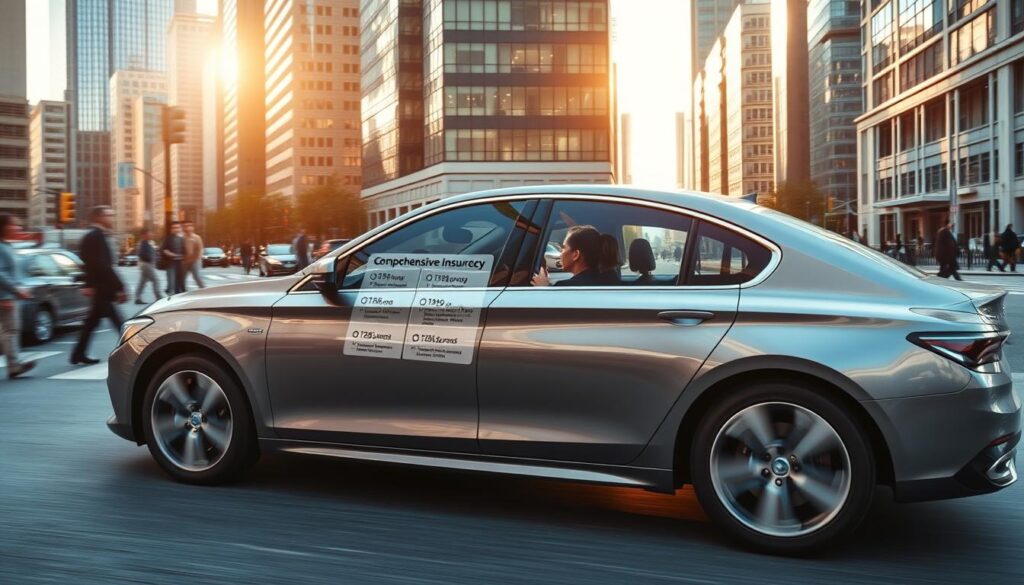
Comprehensive cover in practice
Comprehensive car insurance typically covers you, your vehicle and third parties. Many policies also include extras such as windscreen repair or a courtesy car, but what’s standard varies by insurer.
"'Comprehensive' differs between policies; some benefits may be optional add‑ons."
- Read the small print so you understand excesses, exclusions and limits.
- Match the level cover to your vehicle value, mileage and how you use the car.
Present-day pricing: what’s happening to car insurance costs right now
Recent indexes indicate falling averages, yet your personal quote can differ sharply from headline numbers. Use the figures below to check a price you’re offered against current market information.
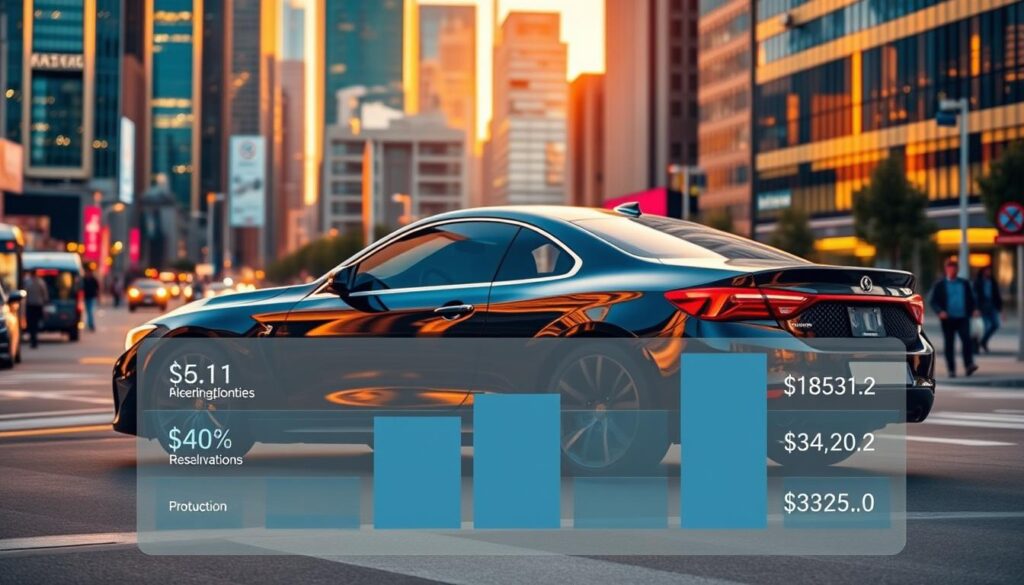
ABI averages and the recent downward trend
The ABI reports the average private motor premium at £551 for July–September, down £56 (‑9%) year on year and marking a third quarterly fall. By contrast, Confused.com’s index shows an average of £757 for March–May 2025.
Why prices rose previously: repair, theft and replacement pressures
Insurers paid out £11.7bn in motor claims in 2024, a 17% rise, and roughly £9bn in the first three quarters of 2025. Higher repair parts, vehicle replacement and theft pushed premiums up.
| Source | Period | Average price | Note |
|---|---|---|---|
| ABI | Jul–Sep 2025 | £551 | Down 9% YoY, third fall in a row |
| Confused.com | Mar–May 2025 | £757 | Price index higher than ABI average |
| Claims data | 2024 | £11.7bn (payouts) | Claims inflation increased premiums |
- Individual quotes vary by driver profile, vehicle and postcode.
- Claims, theft hotspots and repair costs still shape what providers charge.
- Shop around and record the same details each time to compare like for like.
Best UK providers at a glance: WRPs and Best Buys you can actually buy
Look at independent ratings to see which names deliver solid product terms and decent customer service. Which? reviewed 31 providers and awarded Recommended Provider status to only three: NFU Mutual, LV= and Aviva.

Which? Recommended Providers
These three stood out because policy scores assess 79 elements, from a repairs guarantee to excess rules and replacement-vehicle cover. That score shows what a policy includes, not just the headline price.
Policy score versus customer and claims scores
Policy quality and real-world handling differ. Which? combined a policy audit with a survey of 4,719 adults who claimed in the past two years (Nov 2024). Use both scores to balance product detail against how customers fare when they claim.
Direct, phone-only and comparison-site availability
| Provider | Channel | Comparison sites |
|---|---|---|
| NFU Mutual | Phone-only | No |
| LV= | Direct & online | Yes (Confused.com) |
| Aviva | Direct & online | Yes (Confused.com) |
- Tip: refine a shortlist using independent scores before you compare quotes to save time.
- Check channel availability some strong providers won’t appear on every comparison site.
best full coverage motor insurance plans: how to shortlist with confidence
Start your shortlist by checking what a policy actually pays for, not the monthly price tag.
Begin with cover quality. Look for repair guarantees, courtesy-car terms and windscreen protection. These affect how smooth a claim is and how much you pay out of pocket.
Start with cover quality, not just price
Decide which benefits matter to you: replacement vehicle, legal help or child-seat protection. Note these as must-haves and rule out any product that lacks them.
Avoid “Essentials” that strip back what you really need
"Essentials policies often strip back features differently across insurers: some increase excesses or restrict no‑claims discounts, others cut child car seats, personal possessions or even windscreen cover."
- Check the schedule for hidden excesses and removed extras.
- Compare like for like make notes of inclusions and exclusions per policy.
- Use third‑party scores to validate a provider before you commit.
- Think year‑round risks like glass chips and theft as well as accident cover.
When two policies look similar, weigh the terms that matter during a claim. That approach helps you build a confident shortlist and avoid surprises later.
How to compare policies and quotes in minutes
Use a short, consistent checklist and you can turn confusing quotes into a clear shortlist. Comparison sites scan many options fast, but your inputs must be accurate for fair results.
Confused.com and Uswitch: comparing up to 160 insurers
Confused.com and Uswitch each search up to 160 UK companies. In October 2025, 51% of customers could save £517.83 by switching after using these sites.
What you’ll need to get an accurate quote
Have these details ready so each quote uses identical information:
- Driver name, date of birth and occupation.
- Address and where the car is kept overnight.
- Car registration, annual mileage and any modifications.
- Intended use (commuting or business) and No Claims Discount info.
Tip: some strong car insurance providers, like NFU Mutual, do not appear on comparison sites. Contact them by phone or local office to complete your market view.
"Save your quotes, compare the same add‑ons and run searches on different days prices do move."
Stick to the same details each run to compare quote price and policy terms fairly. That way you can balance headline price with claims handling and total costs when you choose a car insurance policy.
The features checklist: what a strong comprehensive policy should include
Use a clear features list to compare what providers actually promise when you need to make a claim.
Courtesy car, repairs guarantee and glass cover
Check whether a courtesy car is offered while your vehicle is repaired, and for how long.
A Best Buy standard is a temporary replacement for repairs or after theft or write-off. Also look for a repair guarantee of at least three years.
Glass cover should include chip repairs with low or no excess so small damage is fixed quickly.
Motor legal protection and liability limits
Legal protection helps you recover uninsured losses after an accident. It can pay for legal fees and pursuit of third parties.
Which? scores reward policies with high liability limits; aim for providers offering at least £20m of cover.
"Legal expenses cover can make the difference between a small payout and full recovery."
No-claims rules and interest on instalments
Confirm how no-claims discounts work, whether protection is available, and if stepped-back ladders apply after a claim.
Some firms charge interest on monthly payments, sometimes over 30%. Always calculate the annual cost to compare total premiums.
- Verify repair networks and guarantee periods so workmanship is backed.
- Check how fire, theft and accidental damage are treated, and note any extra excesses.
- Compare this checklist across insurers to ensure the policy delivers when you claim.
Add-ons worth considering (and when to skip them)
Before you tick extra boxes, check whether each add-on truly fills a gap in your protection. Some extras bring clear value for certain journeys; others only raise your costs without new benefit.
Breakdown tiers: roadside, national and European
Roadside or local rescue handles simple faults close to home. NFU Mutual’s Mutual Assist via RAC, for example, covers recovery over a quarter mile from home, local recovery up to 20 miles, misfuelling and a small hire car for up to 48 hours.
Pay about £19.99 a year for national recovery if you want alternative travel and overnight accommodation. For home starts add roughly £34.99 a year to get cover from your driveway.
Windscreen protection: chips and full replacements
Windscreen cover often fixes chips with a low excess and will replace a cracked screen when needed. Check the excess and any per-claim limits so a small chip does not turn into a costly repair.
Legal expenses: recovering uninsured losses
Legal protection helps you pursue uninsured losses after a not-at-fault incident. It can fund legal fees and increase the chance you recover repair and injury costs the other party should pay.
| Add-on | Typical cover | Typical extra cost |
|---|---|---|
| Local roadside | On-scene repair, short recovery | Often included or £0–£15/yr |
| National recovery | Nationwide towing, alternative travel | £15–£30/yr |
| Home start | Start at home or driveway | £25–£40/yr |
| Windscreen | Chips repaired; full replacement | Small excess or £10–£25/yr |
| Legal expenses | Recover uninsured losses | £10–£30/yr |
"Compare wording and prices: add-ons tailor cover but cost extra."
Read terms to avoid paying twice for benefits you already have via a bank account or membership. Prioritise add-ons that match how you drive, such as European recovery for frequent trips abroad.
Pricing strategy: excesses, no-claims and paying monthly
Understanding how voluntary excess, no-claims discounts and monthly fees interact can change what quote you choose. Set clear limits so a lower headline price does not cost you more when you claim.
Voluntary versus compulsory excess
Compulsory excess is set by the insurer and you cannot alter it. Some claims, such as windscreen repairs, may carry a separate excess.
Voluntary excess trims the premium but raise it only to a level you can afford. Which? warns that a high voluntary excess can make small repairs uneconomic.
No-claims discount ladders and protection
Check the NCD ladder. NFU Mutual, for example, pays about 30% at one year and 67% at seven years. You can buy protection to avoid a step-back, but weigh the cost against likely future premiums.
Monthly payments, interest and alternatives
Some providers add admin fees or charge over 30% APR for monthly plans. Compare total costs, not just the monthly figure. An alternative is an interest-free purchase card repaid within the offer period.
Practical tip: capture quotes with different voluntary excess levels and note any mid-term fees. Read the policy schedule so you know how fire or theft affect excesses and NCD.
For an example of affordable options and to compare quotes, see affordable full coverage car insurance.
Driving abroad: EU third-party minimums, green cards and comprehensive extensions
If you’re planning to drive abroad, check whether your UK policy already meets legal minimums in the country you’ll visit. UK car insurance usually provides automatic third-party cover across the EEA and several nearby states.
Where a green card isn’t needed: the EU (including Ireland), Andorra, Bosnia and Herzegovina, Iceland, Liechtenstein, Montenegro, Norway, Serbia and Switzerland.
When you’ll need a green card and how to get one
Some non‑listed countries insist on a green card. Contact your insurer about a month before travel to request one. Many insurers will post or email the document; allow time for processing.
Time-limited comprehensive cover overseas
Some insurers extend comprehensive car protection for a limited time when you travel. Typical periods run from 60–90 days. After that your policy usually reverts to legal minimums unless you arrange an extension.
- Check what’s included: damage, theft and fire are often covered while the temporary extension applies.
- Carry documents, confirm named drivers and check territorial limits before you set off.
- If a trip runs longer, arrange an extension in advance to avoid gaps and ensure breakdown add-ons include European recovery.
"Keep receipts and photos if you need to make a claim abroad; contact your insurer first and follow local police or accident reporting rules."
Young and new drivers: telematics, student and learner options
If you're new to driving, options like telematics or temporary cover can make a big difference to what you pay. Telematics (black box) policies monitor behaviour and reward safer habits with lower premiums.
How black box policies cut costs
Telematics tracks speed, braking, time of day and mileage. Good behaviour usually earns discounts and clearer feedback from the app.
Learner and short-term choices
You can take out learner cover for lessons or be named on a relative’s policy. Temporary cover suits occasional driving but check the effect on your no-claims record.
| Option | Who it suits | Main benefit |
|---|---|---|
| Telematics | Young drivers | Behaviour-based savings via app feedback |
| Learner cover | Learners | Short-term legal driving without altering family policy |
| Named driver | Students/young drivers | Build experience; may be cheaper than separate cover |
Be honest with your insurer, avoid fronting and review quotes often. Over the years, good behaviour and the right vehicle choice steadily cut costs and improve future quotes.
Multi-car, EVs and hybrids: tailoring cover to your vehicle and household
When households have more than one car, a single multi-car option can cut admin and make renewals simpler. You can often save a little on the per-car price while keeping documents and renewal dates in one place.
Multi-car discounts and admin simplicity
Multi-car policies let you insure several vehicles under one policy. This reduces paperwork and can give a per-car discount compared with separate policies.
Check how years of no-claims discount for each driver are handled. Some insurers protect individual NCDs, while others pool discounts, which affects renewal costs.
"Consolidating policies can save time, but compare overall costs before you commit."
Electric and hybrid benefits: batteries, cables and charging
Electric and hybrid vehicles need specific terms for traction batteries, charging cables and public-charger risks. NFU Mutual notes that EV/hybrid cover often includes charger cable protection as standard.
Uswitch also highlights battery and charging equipment safeguards from some providers. Confirm whether recovery tiers include transport to suitable chargers for long journeys.
| Feature | What to check | Why it matters |
|---|---|---|
| Multi-car discount | Per-car saving, admin simplicity | May reduce costs and paperwork |
| No-claims handling | Individual vs pooled NCD | Impacts renewal premiums across drivers |
| EV essentials | Battery, cables, charger recovery | Prevents unexpected repair bills and tow limits |
Before you switch, compare a multi-car quote with separate quotes for each vehicle. Also review the small print for how your insurer treats young drivers, mileage and differing vehicle use across the household.
For specialist EV terms, consider checking an EV protection product such as EV protection that lists battery and cable safeguards.
Renewals and timing: beat auto-renew with smarter shopping
Treat renewal as a checkpoint: compare quotes, check terms and avoid surprise charges from your insurer. Most providers contact you 21–30 days before renewal, but Uswitch suggests shopping around about 18 days before expiry to get a better price.
Auto-renewal is convenient, yet it can lock you into higher fees or changed excesses if you don’t look. Read the renewal documents for any new exclusions, added extras or increased voluntary excess.
Gather at least three quotes, including direct providers that may not appear on comparison sites. Keep last year’s documents handy so you can compare line by line and use a stronger offer to negotiate with your current provider.
- Start searches 18–21 days before expiry prices often move in this window.
- Weigh monthly payments carefully: interest and admin fees can make them costly over the year.
- Consider an FCA‑authorised broker for complex histories, and avoid ghost brokers: watch for social‑only contact or suspiciously low quotes.
"Never auto-renew blindly a short, timely search usually pays off."
For a quick check of affordable options and to run comparison searches yourself, try this cheap quote tool.
Claims experience matters: why we look at customers who’ve actually claimed
A smooth claims journey can turn a stressful car accident into a manageable setback. You want an insurer that answers quickly, explains next steps and gets your vehicle back on the road in good time.
What a good claims journey looks like
Fast response: a rapid first reply and realistic timescales for repairs or replacement.
Clear updates: regular messages so you always know progress and expected completion time.
Fair settlement: transparent decisions and help to recover third‑party costs after a car accident.
How Which? builds customer and claims scores
Which? surveys 4,719 customers who made a claim in the prior two years (November 2024). Insurers need at least 40 responses to be included. Policy scoring is separate and reviews what the product promises on paper.
"Real claims feedback shows how a provider performs under pressure."
- Ask about courtesy cars, repair SLAs and expected response time.
- Keep photos, receipts and third‑party details to speed any claim.
- Check whether the insurer uses trusted repair networks and guarantees workmanship for your vehicle.
Switching cars mid-policy: what to expect on fees and cover
If you plan to buy a new car during the policy year, act early to keep cover seamless.
You can usually transfer your car insurance mid-term. Tell your insurer the switch date and give full vehicle details so the new car is insured from the collection day.
Expect a premium change and possible admin fees. A faster, lighter vehicle may lower your cost; a higher-risk model can raise it. Some firms add an admin charge for mid-term changes.
Get confirmation in writing. Ask how excesses, immobiliser rules and courtesy car entitlement change with the swap. This prevents surprises if you need to make claim for damage soon after handover.
- Notify the insurer before collection so there’s no gap in protection.
- Check whether monthly instalments or finance agreements need updating.
- Update linked breakdown and legal cover so they follow the new vehicle.
| Action | What to give | Typical outcome |
|---|---|---|
| Call insurer | Swap date, registration, make/model | Premium adjusted; admin fee possible |
| Request written confirmation | Policy reference and new start date | Proof of cover if you need to claim |
| Check extras | Courtesy car, immobiliser, breakdown | Entitlements may change |
If the revised cost or fees look high, shop for quotes before finalising. That gives you options if switching provider is cheaper than paying mid-term charges.
Compliance, fraud and safety nets: keep your cover legitimate
Protecting your licence and wallet starts with spotting fake sellers and checking formal registers. Small checks stop big problems when you need to make a claim.
Ghost brokers often sell policies via social media or chat apps. They can supply documents that look real but leave you uninsured. Always check FCA registration and avoid suspiciously cheap offers.
DOC limits and proof of cover
Driving Other Cars (DOC) usually provides only third party cover and often only in emergencies. Don’t assume you have comprehensive protection; read your insurance policy to see exact terms.
Use the Motor Insurance Database (MID) to confirm whether a vehicle is recorded as insured. Keep proof of insurance and full policy details handy on your phone and in print.
What FSCS does if an insurer fails
If your insurer collapses, the FSCS acts as a safety net. It usually pays valid third-party claims in full and refunds about 90% of premiums for failed providers. Keep records so you can file any claim quickly.
"Check registers, keep receipts and report anything that feels off it protects your driving record and your money."
| Issue | Risk | Check | Action |
|---|---|---|---|
| Ghost broker | Invalid policy | FCA number, firm name | Buy via FCA‑regulated provider or broker |
| Incorrect details | Claim refusal | Policy schedule, MID | Update insurer immediately |
| DOC misunderstanding | Only third party cover | Policy wording | Arrange full cover if needed |
| Insurer failure | Uncertain refunds | FSCS guidance | Submit claim and keep evidence |
- Report scams to Action Fraud and your insurer if you suspect fraud.
- Buy direct from reputable providers or FCA brokers to reduce risk.
- Factor cancellation and admin fees into decisions before you change a policy.
- Consider legal protection to help resolve disputes and recover uninsured losses.
Quick compliance checklist: verify FCA status, confirm MID entry, store proof, keep information accurate, and read fees and cancellation terms before you pay.
Your next step to finding the right cover today
Your next step today: run a quick comparison on Confused.com or Uswitch they search up to 160 insurers and, in October 2025, 51% of customers could save £517.83 by switching.
Shortlist three to five policies that match your feature checklist. Get a fresh quote from each and note voluntary excesses and any interest if you pay monthly.
Phone any strong providers that don’t appear on aggregators, including those recommended by Which? such as NFU Mutual, LV= and Aviva.
Keep documents ready so quotes use the same information, weigh claims reputation as well as price, and decide which add-ons truly matter for your car and journeys.
Set a reminder about 18 days before renewal, save your quotes, confirm policy details in writing and store them safely for smooth claims if the unexpected happens.
🚗 Explore More Auto Insurance Guides
View All Auto Articles → Cheapest Car Insurance for Under 25: Compare Quotes Now

Get the best auto insurance for college students
Compare Student Auto Insurance Quotes Online Today

Affordable Teen Car Insurance: Save on Your Policy

Compare Full Auto Cover Policies for UK Drivers

Compare Complete Car Insurance Quotes for Your Vehicle
Go up
Leave a Reply