
Find the Best Auto Insurance for Tesla Drivers
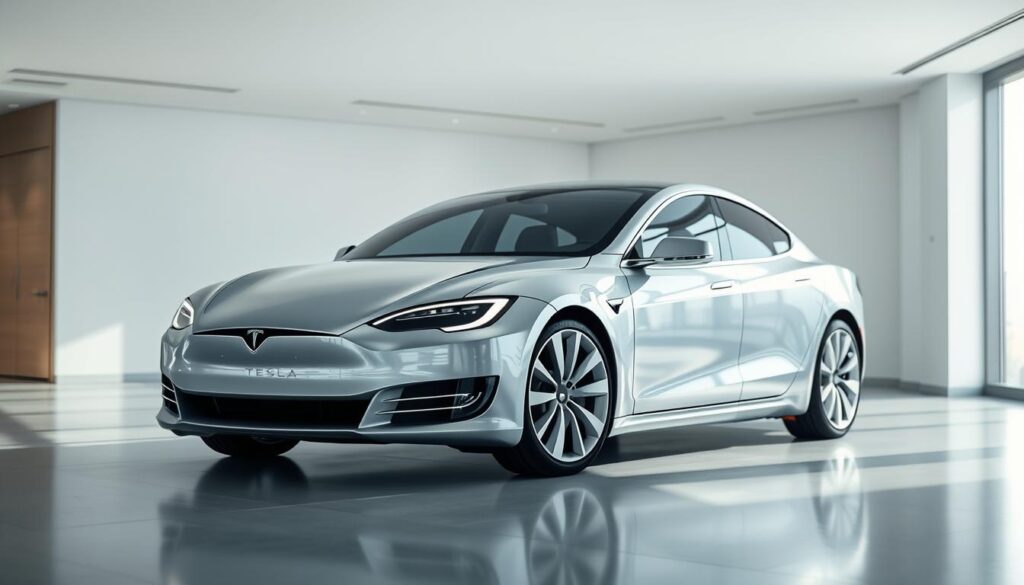
Surprising fact: national reports show average full-coverage premiums for Tesla models can range from around $240 to more than $550 per month depending on the model and state.
You need clear, practical steps to shop car insurance for high-value electric vehicles. This guide compares real quotes, highlights companies like Erie, Liberty Mutual, and Nationwide, and explains why a low headline rate may not save you after a claim.
We’ll show how battery packs, sensors, and glass affect coverage and repair time. You’ll learn which companies offer Tesla‑certified repairs, battery protection, and helpful guarantees.
Expect easy-to-compare monthly numbers, tips to control your rates with bundling and usage discounts, and a quick action plan to get quotes that match your garage and driving habits. For a quick look at low-cost options and national averages, check this resource.
Compare low-cost options and averages
Table of Contents
- Your search intent, clarified: how to choose coverage and compare quotes today
- Best auto insurance for Tesla drivers at a glance: who’s cheapest, who’s best, and why
- Erie vs. Liberty Mutual vs. Nationwide: the A vs. B (vs. C) comparison you need
- Nationwide vs. State Farm vs. American Family: balancing cheap rates, full coverage, and customer service
- Tesla Insurance vs. third-party insurers: availability, Safety Score pricing, and real-world costs
- Tesla car insurance costs by model: Model 3, Model Y, Model S, Model X, Cybertruck
- Rates by driver profile: your record, age, miles, and how much you can really save
- Coverage that matters for Teslas: full coverage, liability limits, and EV-specific add‑ons
- Where you live matters: state-by-state availability, urban vs. rural repair access, and monthly quotes
- Your next step to the best rate: compare quotes and tailor coverage to your Tesla
Your search intent, clarified: how to choose coverage and compare quotes today
Start by matching the exact coverages you need so quotes are comparable and meaningful. List collision, comprehensive, higher liability limits, and EV add‑ons (battery, glass, sensors/cameras, OEM parts, new car replacement) before you price anything.
Pick a deductible you can afford. A $500 versus $1,000 deductible moves your rates but also affects out‑of‑pocket risk. Price quotes with the same deductible to get honest comparisons.
"Compare at least three quotes the same day so market shifts don’t skew your snapshot."
- Ask about EV‑specific coverages and how repairs are handled Tesla-certified shops, OEM parts, and repair guarantees matter.
- Stack discounts: safe‑driving, multi-policy bundling, multi-vehicle, anti-theft, and EV programs can cut rates by double digits.
- Consider usage-based programs if you drive less; they often reward low mileage and clean habits.
Finally, lock a renewal plan. Re-shop annually or after big life events to keep your insurance competitive and aligned with changing repair costs and market factors.
Best auto insurance for Tesla drivers at a glance: who’s cheapest, who’s best, and why
Look beyond sticker premiums and see which companies protect your battery, sensors, and glass when it matters most.
Top picks: Erie, Liberty Mutual, Nationwide strengths and standout features
Erie guarantees access to Tesla‑certified repairs and offers new car replacement on qualifying policies. That helps preserve resale value.
Liberty Mutual adds Tesla‑specific roadside help (battery support) and large bundling discounts up to 25%.
Nationwide often shows the lowest advertised monthly figures, with some profiles near $106 per month and full coverage around $206/month.
Price snapshot and why the cheapest car insurance isn’t always right
Market guides show minimum averages near $64 and full coverage near $271. Some model quotes run $240–$307 per month depending on trim and equipment.
| Company | Standout | Sample month | Notes |
|---|---|---|---|
| Erie | Tesla‑certified repairs | $206–$300 | New car replacement options |
| Liberty Mutual | Roadside & sensor glass | $220–$280 | Strong bundling discounts |
| Nationwide | Low advertised rates | $106–$206 | Competitive EV discounts |
Erie vs. Liberty Mutual vs. Nationwide: the A vs. B (vs. C) comparison you need
Choosing among these carriers means balancing monthly cost, EV endorsements, and repair access. Each company takes a different approach to value. Read the short comparisons below to match a policy to your needs.

Rates and discounts
Nationwide often posts the lowest headline monthly figures and pairs them with SmartRide UBI discounts. That lowers your outlay if you drive smoothly.
Liberty Mutual leans on EV perks and big bundling discounts up to 25%. Its base rates may be higher in cities but perks can offset that.
Erie is competitive where it operates and focuses on claims performance over price alone.
Coverage depth
Confirm OEM parts, battery protection, autonomous‑system support, and new car replacement. Those endorsements change claim outcomes and resale value.
Service and repair networks
"Ask each company if repairs use Tesla‑certified shops and whether work aligns with warranty rules."
| Company | Standout | Geography | Notes |
|---|---|---|---|
| Nationwide | Low rates + SmartRide | National | Rural repair access varies |
| Liberty Mutual | EV roadside & parts | Wide | Strong bundling; pricier in urban areas |
| Erie | Certified repair & new car replace | 12 states | Great claims service where available |
Which to pick? Choose Nationwide if cutting rates is top. Pick Liberty Mutual for EV options and bundling. Choose Erie if certified repair access and claims consistency matter and you live in its states. Re‑quote all three with identical limits and EV endorsements to decide.
Nationwide vs. State Farm vs. American Family: balancing cheap rates, full coverage, and customer service
When you compare Nationwide, State Farm, and American Family, focus on how each company balances price, claims care, and local repair access.
Pricing by model: Nationwide commonly posts the lowest rates across several Tesla model profiles, with standout pricing on Model X (~$203/month) and competitive quotes on Model S (~$352/month).
American Family earns high marks from LendingTree and J.D. Power for strong complaint ratios and solid satisfaction. That often translates into smoother claims and better policyholder experience.
State Farm can offer affordable full coverage in many profiles, but note state limits: it isn’t writing new policies in RI or MA and may raise premiums in FL and CA.
What to check before you buy
- Compare identical limits and endorsements so car insurance quotes are apples to apples.
- Use NAIC complaint indices and J.D. Power scores to judge customer service and claims handling.
- Bundle home and auto insurance to unlock multi-policy discounts with Nationwide or American Family.
"Confirm repair network details with each carrier to ensure smooth access to certified shops in your city."
For a focused comparison of full coverage options, see this guide to affordable full coverage and tailor your shortlist accordingly.
Tesla Insurance vs. third-party insurers: availability, Safety Score pricing, and real-world costs
Deciding between Tesla’s built‑in policy and a traditional carrier comes down to availability, telematics, and how much monthly volatility you can tolerate.
Limited state availability and app integration: Tesla Insurance operates in 12 states as of June 2025 and links directly to your Tesla app. That makes setup quick and data sharing seamless.
Safety Score telematics: monthly swings, pros and cons
The Safety Score adjusts next‑month premiums using hard braking, aggressive turns, unsafe following, forward collision warnings, and Autopilot disengagements (except CA).
This can reward steady, careful driving with lower month‑to‑month rates. But it can also cause fast swings if your habits or commute change.
When Tesla’s policy makes sense and when a traditional carrier wins
Tesla Insurance fits if you want app control, transparent telematics, and competitive quotes where it’s offered. It often covers glass, roadside, rental, and gap options, though availability varies by state.
A traditional carrier may win when you need a larger certified repair network, stable renewal pricing, or stronger NAIC and J.D. Power customer scores. Always benchmark live quotes from at least two third‑party firms and check this guide to cheap auto insurance for new drivers as part of your comparison.
"MarketWatch Guides gives Tesla Insurance a 3.8/5 overall, noting limited reach and mixed customer feedback."
Tesla car insurance costs by model: Model 3, Model Y, Model S, Model X, Cybertruck
Each Tesla model carries a distinct repair profile that drives monthly premiums. Below are concise national snapshots and where you’ll most often find below‑average quotes.
Model 3
MarketWatch shows minimums near $61 and full coverage around $240. Some live profiles list full coverage closer to $170. Nationwide, Auto‑Owners, and Travelers frequently quote competitively on this model.
Model Y
Model Y often prices close to Model 3 thanks to shared parts and easier repairs. MarketWatch and other datasets place full coverage near $255, though LendingTree reports higher averages in some markets.
Model S
Luxury components raise repair and labor costs. Expect higher quoted premiums MarketWatch lists full near $300 while LendingTree shows upper‑tier averages. Check Nationwide, Progressive, and Country Financial for potential savings.
Model X
Model X tends to be among the most expensive because of complex sensors, cameras, and large glass panels. Look for carriers that offer OEM parts and strong certified shop networks; Nationwide and American Family often show favorable rates.
Cybertruck
Early pricing is still settling. Some profiles show Cybertruck near the mid‑range, while LendingTree lists higher averages. Geico and American Family appear below average in many ZIP codes so far. Always get matched quotes with identical limits.
- Tip: Verify full coverage with EV endorsements battery, sensors, and glass before you pick a policy.
- Compare quotes with identical limits and deductibles and use a focused tool like quote trends to spot model-specific variations.
Rates by driver profile: your record, age, miles, and how much you can really save
A clean record and low mileage are the most reliable levers to lower your monthly cost. If you keep a spotless driving history and enroll in telematics, you can unlock meaningful savings fast.
Clean record drivers: locking in low rates with safe-driving programs
Safe-driving programs like SmartRide, Snapshot, Drivewise, and KnowYourDrive reward steady behavior. Nationwide often posts headline figures near $106/month for low-risk profiles when combined with telematics discounts.
Young drivers face the steepest premiums. Stack multi-vehicle, good-student, and telematics discounts to bring those numbers down.
After tickets, accidents, or DUIs: high-risk pricing and which companies are forgiving
Expect rates to jump after an at-fault accident or DUI premiums can roughly double in many cases. Some companies are more lenient; Nationwide and State Farm often remain competitive for higher-risk profiles, sometimes starting near $143/month after a citation.
Look for accident forgiveness, vanishing deductible add-ons, and the ability to re-quote after 6–12 months if your driving improves. Bundle home or renters to ease spikes with a double-digit discount.
"Compare quotes that specifically note recent violations so you see which insurer prices your profile more leniently."
- Drive less? Ask about low-mileage or pay-per-mile options to lower your rates.
- Consider raising deductibles only to levels you can afford out of pocket.
- Repair small glass or sensor issues early; endorsements can keep claims from escalating.
To compare tailored offers, check a focused quote tool like Tesla insurance comparison and re-shop after any improvement in your record.
Coverage that matters for Teslas: full coverage, liability limits, and EV-specific add‑ons
Focus your policy on items that limit big bills after a crash or total loss. Start with collision and comprehensive and raise liability limits to match your vehicle’s replacement cost. That reduces risk if a claim grows complex.
Full coverage essentials
Prioritize full coverage collision and comprehensive with higher liability limits. Low limits leave you exposed when batteries, sensors, or large glass panels require costly repair or replacement.
EV add‑ons that pay off
Add battery protection, OEM parts, sensor and glass endorsements, and new car replacement where offered. Carriers like Liberty Mutual, Erie, Travelers, and Farmers list these options and may guarantee certified repairs.
Gap, roadside, and rental
Gap is critical if you lease or finance. Choose roadside assistance that understands EV towing and battery protocols. Add rental reimbursement to avoid long downtime while your vehicle awaits a certified repair slot.
Usage-based programs
Enroll in SmartRide, Snapshot, or Drivewise if you drive carefully. These programs can cut premiums and reward steady habits. Always confirm whether the insurer will use Tesla‑certified shops and preserve your warranty.
"Prioritize coverages that protect value and reduce surprise costs after a loss."
For a detailed market snapshot, compare quotes and see a MarketWatch guide on tesla insurance.
Where you live matters: state-by-state availability, urban vs. rural repair access, and monthly quotes
State rules, local claim trends, and shop access can swing monthly premiums by hundreds of dollars.
Your state and ZIP code shape what you pay. Traffic, weather, and claim frequency drive local rate differences. In some states full coverage averages near CA ~$321, FL ~$291, and CT ~$280.
Urban areas often have higher rates and longer waits for certified repair slots. That means you should add rental reimbursement and higher liability limits to avoid surprise out-of-pocket costs.
Rural or suburban ZIPs can show lower monthly figures, but confirm shop access. Some insurance companies list fewer certified shops outside cities, which can delay repairs and increase downtime.
- Ask which EV endorsements are offered where you live and whether glass or sensor coverages carry separate deductibles.
- Weather-prone states should add comprehensive to guard against hail, flood, and wildfire damage to batteries and other components.
- When Tesla’s policy isn’t available in your state, compare national and regional companies and test at least three live quotes even neighboring ZIPs can vary by triple digits.
Run targeted Model 3 quotes at Model 3 quotes and re-shop after any move; a new garaging address often changes rates and available discounts.
Your next step to the best rate: compare quotes and tailor coverage to your Tesla
Get live quotes from three carriers with the same limits to turn an estimate into a clear choice. Pull identical deductibles, EV endorsements, and VIN‑decoded features so each quote matches your car.
Then, confirm repair access, OEM parts, and discount stacking (safe‑driving, multi‑policy, EV programs). Test Tesla Insurance if it's available but keep a third‑party quote as a benchmark.
Bundle home or renters, verify rental and roadside details, and set a 6–12 month renewal reminder. When you're ready, lock the policy that balances price and real value and keep monitoring UBI to earn steady savings.
For quick reference and sample rankings, see this best auto insurance for Teslas.
🚗 Explore More Auto Insurance Guides
View All Auto Articles → Use Our Cheap Auto Insurance Comparison Tool

Car Insurance Comparison Sites: Compare Quotes & Save

Compare Motor Insurance Quotes 2026: Get the Best Deals

UK Car Insurance Comparison for Students - Cheap Quotes

Find Best Auto Cover: Top Picks and Reviews
Your Budget Auto Insurance Comparison Guide Online
Go up
Leave a Reply