

Find the Best Home Insurance for Homeowners USA

"By failing to prepare, you are preparing to fail." - Benjamin Franklin. That idea matters when you think about protecting your biggest asset. A clear plan helps you avoid costly surprises and keeps your finances steady.
You want a simple way to protect your house and budget. Start with a quick quote to see how a homeowners insurance policy can cover property damage, personal belongings, and liability.
Choose a policy that matches your needs. You can customize limits, add endorsements, and find discounts online or with a trusted agent. Clear details let you compare cost and protection before you buy.
Whether you’re buying your first house or reviewing existing coverage, this guide helps you make smart choices today and adapt as life changes.
Table of Contents
- Protect your home and budget with the right homeowners coverage
- Core coverages that help protect your house, belongings, and liability
- Home insurance for homeowners USA: compare policies and save
- What affects the cost of your homeowners policy
- Discounts that help you save without cutting protection
- Add important options: flood, umbrella, and more
- State-by-state differences you should know in the United States
- What you need to get a fast, accurate homeowners insurance quote
- Easy policy servicing, inspections, and claims support
- Ready to protect your home today? Get started with a personalized quote
Protect your home and budget with the right homeowners coverage
Protecting your property starts with clear coverage that matches real rebuilding costs. Standard homeowners insurance can help protect against fire, smoke, wind, hail, theft, and falling objects so a single event doesn't upend your finances.
What your policy helps protect today
Most policies include personal property protection for furniture, electronics, and clothing, plus personal liability and small medical payments if someone is hurt on your property.
If a covered loss leaves you unable to live in your residence, additional living expenses often pay for temporary lodging and essentials while repairs happen.
Why replacement cost beats market value when you rebuild
Replacement cost pays to rebuild at today's prices. Actual cash value subtracts depreciation. Because market value reflects land and location, not rebuild cost, you should insure to the estimated cost rebuild to avoid a gap after major damage.
Sudden water damage, like a burst pipe, is commonly covered, but flood and long-term leaks usually are not. Review limits and options now and get a quick quote to compare protection and cost.
Core coverages that help protect your house, belongings, and liability
Knowing which coverages apply can turn a stressful loss into a manageable recovery.
Dwelling and other structures
Your dwelling coverage helps repair or rebuild the main structure after fire, wind, hail, theft, or similar perils. Other structures coverage extends that same protection to detached buildings like garages, sheds, and fences.
Personal property
Personal property protection covers furniture, electronics, appliances, and clothing. Choosing replacement cost means you get paid to buy new items at today’s prices rather than taking depreciation.
Liability and medical payments
Personal liability helps defend and settle claims when someone is hurt at your address or you cause damage elsewhere. Medical payments handles small guest injuries quickly without proving fault.
Additional living expenses
If a covered loss makes your residence unlivable, additional living expenses may pay for temporary lodging, meals, and related costs while repairs happen.
- Tip: Many policies set sub-limits for jewelry or art; you can add endorsements to raise those limits.
- Review limits and deductibles so they match the value of your house and belongings.
| Coverage | What it helps pay | Common limits | When to increase |
|---|---|---|---|
| Dwelling | Repair or rebuild main structure after covered damage | Based on rebuild cost | After renovations or major upgrades |
| Other structures | Detached garages, sheds, fences | Usually a percentage of dwelling | If you add outbuildings |
| Personal property | Replace belongings at replacement cost (if chosen) | Overall limit with sub-limits for valuables | After large purchases; schedule high-value items |
| Liability & medical | Legal defense, settlements, guest medical bills | Per occurrence limits | If you want extra protection, consider an umbrella |
Home insurance for homeowners USA: compare policies and save
An online quote lets you adjust limits and see the effect on price in real time. Start with dwelling, personal property, liability, and additional living expenses so the estimate matches your needs.
Get an insurance quote online and tailor your limits
Use rebuild cost and personal property calculators to set realistic limits. That helps prevent being underinsured or overpaying.
Many carriers show how deductibles change your premium. Try a few scenarios and note available discounts when you bundle policies or add safety devices.
Work with a local agent to match coverage to your needs
A local agent can answer questions, explain endorsements, and recommend adjustments based on local risks and your lifestyle.
"Compare multiple quotes and ask an agent about specific endorsements for finished basements or upgraded kitchens."
- Get a quick quote online to compare options: quick quote.
- Document valuables and review deductibles before you buy.
- Ask about bundling and new-purchase discounts to lower cost without losing key coverage.
| Step | Why it helps | What to check |
|---|---|---|
| Run online quote | See price impact of limits | Dwelling, personal property, liability |
| Use calculators | Set accurate rebuild and contents limits | Square footage, finishes, item values |
| Consult agent | Clarify terms and endorsements | Local risks, discounts, documentation |
What affects the cost of your homeowners policy

Several practical factors shape what you pay each year. Premiums reflect rebuild cost, local hazards, the condition of major systems, and your claims history. Knowing these drivers helps you make choices that match your budget and protection needs.
Rebuild cost drivers
Replacement estimates depend on materials, labor rates, inflation, and supply availability at the time of loss. Market value can differ sharply from the cost to reconstruct, so insist on a replacement cost approach to avoid gaps.
Location and risk
Areas with severe weather, wildfire exposure, or greater distance to hydrants and fire stations typically face higher premiums. Crime rates and local building codes also affect underwriting and price.
Roof, age, and systems
Older roofs, outdated electrical, plumbing, or HVAC systems raise the chance of claims and can increase your rate or limit options. Upgrades usually lower risk and may reduce your bill.
Deductibles, claims, and safety devices
Choosing a higher deductible usually cuts your premium, but you must afford the out-of-pocket amount if you file. Installing smoke detectors, monitored alarms, and leak sensors may qualify you for savings. Note that sudden water damage is often covered, while flood is excluded by most carriers.
Want deeper detail? Read the 5 factors that affect your home insurance to compare how each element changes a quote.
Discounts that help you save without cutting protection
Smart discounts can trim your annual bill without shrinking the coverage you need.
Combine multiple policies to earn a meaningful multi-policy discount. Many carriers reward bundling with auto and a primary dwelling plan. This keeps your core coverage intact while lowering your premium.
Bundle and timing perks
Quoting a new policy before closing or moving often unlocks advance-quote and new-purchase savings. Ask about credits when you switch from renters coverage or time your start date to capture promotional offers.
Connected and protected property
Install monitored alarms, smart smoke detectors, and leak sensors to help protect against common risks. Connected devices can qualify you for ongoing discounts and may reduce claim likelihood.
Claims-free and combined savings
Staying claims-free typically reduces renewal cost. Combine that with a bundle and the right safety tech to stack discounts without cutting important limits.
- Confirm which devices and brands your carrier accepts.
- Verify discounts do not remove essential coverage from your policy.
- Ask an agent for a tailored quote and to review available credits, or check a low-premium car plan at low-premium car plan.
Add important options: flood, umbrella, and more
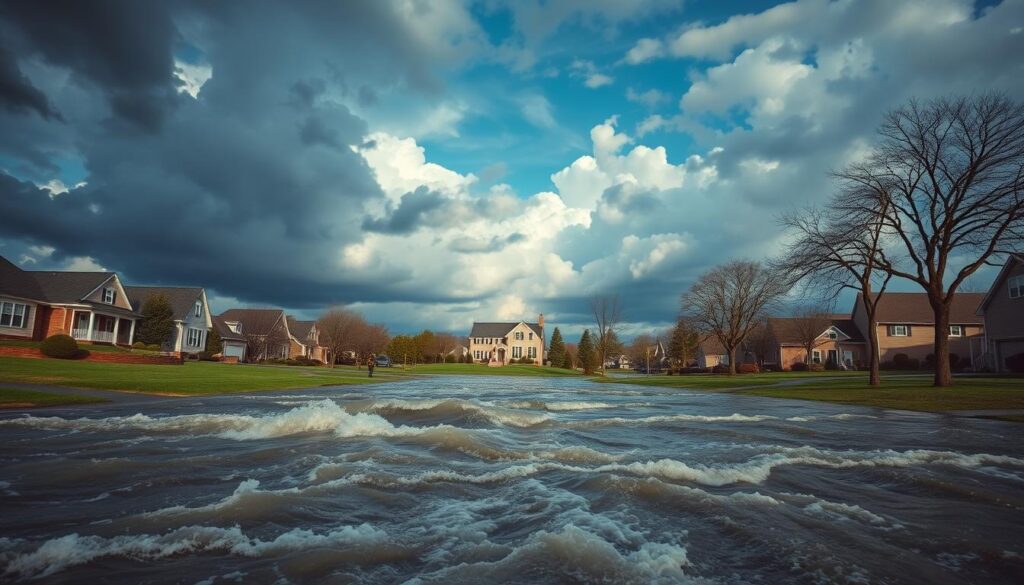
Some risks require separate plans adding targeted coverages prevents surprise bills after a big loss. Evaluate gaps beyond your base policy and choose options that match local hazards and valuables.
Flood insurance for water events standard policies don’t cover
Standard homeowners insurance usually excludes flood. Buying flood insurance protects against storm surge, heavy rain, or snowmelt that can cause costly damage.
Umbrella insurance to extend your liability limits
An umbrella policy adds extra liability above your homeowners policy. It helps pay large judgments and legal defense if a severe claim exceeds your base limits.
Earthquake and Valuable Personal Property endorsements
In seismic areas, add earthquake coverage to protect structure and contents after a quake.
Valuable Personal Property endorsements or standalone plans raise limits for jewelry, cameras, and instruments with favorable terms and often no deductible.
- Consider ordinance or law upgrades to cover code-required rebuild costs.
- Short-term rental hosts may need special home-sharing coverage.
- Review optional policies together to coordinate limits and avoid overlaps.
Learn more about supplemental options and how they work with your main policy at supplemental coverages.
State-by-state differences you should know in the United States
Local hazards and state rules shape the limits and endorsements carriers offer where you live.
Coverage and policy details can change a lot from state to state. Coastal areas may have hurricane or wind deductibles. Wildfire zones often need special endorsements. Winter-prone regions may see different exclusions or higher rates.
Standard plans usually exclude flood, so consider separate flood insurance if your area faces heavy rain, surge, or drainage risk.
How to right-size coverage for your state’s risks
Check state-specific rules and the insurer’s local guidance before you pick limits. Your mortgage servicer will often require proof of property insurance and may set minimum amounts.
- Ask your agent about mandatory deductibles (wind, hail, or hurricane).
- Provide accurate address-level info so the insurance company can use local fire and hazard data.
- Review building codes and permit needs with an agent to avoid rebuild surprises.
Want state comparisons? See a concise guide to state-level rules and rates at state homeowners guides.
What you need to get a fast, accurate homeowners insurance quote

Gathering a few key details speeds up an accurate quote and avoids surprises later.
Home details: square footage, year built, roof, exterior, and finishes
Start with your address, total square footage, and year built so the tool can estimate rebuild characteristics. Include foundation and roof type and the exterior material like brick, siding, or stucco.
Note interior finishes such as counters and flooring. List recent upgrades to the roof, plumbing, or electrical so carriers see reduced risk.
Mention special features finished basements, attached garages, or custom built-ins so dwelling limits reflect real value.
Personal property inventory to set the right limits
Build a concise inventory with descriptions, serial numbers, and photos. This helps you choose realistic personal property limits and speeds claims.
- Record high-value items and schedule them if needed.
- List safety features like smoke detectors, monitored alarms, or leak sensors for possible savings.
- Review any prefilled public information for accuracy before you submit an insurance quote.
Note: Standard home insurance usually excludes flood. Consider a separate policy if your area faces flood or excess water risk.
Easy policy servicing, inspections, and claims support
Managing your policy should be quick so you can focus on daily life, not paperwork.
Set up a new insurance policy online in minutes, access billing, and store documents digitally. If you switch carriers, start the new plan before canceling the old one and notify your mortgage servicer to keep records aligned.
Buying, setting up, and switching carriers
You can get a quote, bind coverage, and view policy documents from a phone or desktop. Use the carrier portal to update contact info and payment details.
When you switch, overlap coverage by a day or two to avoid any gap. You can also start a new policy and transfer details smoothly.
Property inspections: exterior, roof, and possible interior checks
Inspections confirm the exterior, roof condition, and yard hazards. Some homes need a brief interior check to verify finishes that affect replacement estimates.
If an inspector flags hazards, your insurance company will list fixes to keep coverage in place and lower future risk.
Filing and tracking claims, plus trusted contractor networks
File a claim online, upload photos, and follow status updates until settlement. Clear, timely replies speed repairs after a covered loss.
Many insurers offer vetted contractor networks to help you find reliable pros for repairs and rebuilds after storm or water damage. Note that sudden water damage is often covered, while flood usually is not.
| Action | Why it helps | What to expect | Tip |
|---|---|---|---|
| Set up account | Manage billing and documents | Digital portal access | Enable alerts for due dates |
| Switch carriers | Avoid gaps in protection | Overlap start dates; notify lender | Keep copies of both policies |
| Property inspection | Verifies roof and exterior risk | May require minor fixes | Schedule repairs quickly |
| File claim | Get funds and repairs faster | Upload photos; track status | Use carrier's contractor network |
Ready to protect your home today? Get started with a personalized quote
Get an instant estimate online and fine-tune protection to match your rebuild needs. Start a quick homeowners insurance quote, adjust dwelling, personal property, and liability limits, and see price changes in real time.
Make sure your dwelling limit reflects replacement cost rather than market value so a covered loss won’t leave a gap. If you have questions, connect with an agent who can explain trade-offs and suggest the right policy mix.
Consider add-ons such as flood or an umbrella policy if your risks or assets call for extra protection. Create a digital inventory, check available savings, and set up easy payments so your coverage stays active year-round.
Take the next step now: run a short quote and get back to living with confidence and fast digital claims support when you need it most.
🏠 Explore More Home Insurance Guides
View All Home Articles → Get Quotes for Mortgage-Linked Home Insurance UK
Home Protection Insurance Canada: Safeguard Your Home

Property Owner Insurance Policy Australia: Protect Your Assets

Luxury Home Insurance USA 2026: Find the Right Coverage for Your Home

Private Estate Home Insurance USA: Protect Your Property

High-Value Property Insurance UK: Protect Your Valuable Assets
Go up
Leave a Reply