

Get comprehensive homeowners coverage USA for Your Home
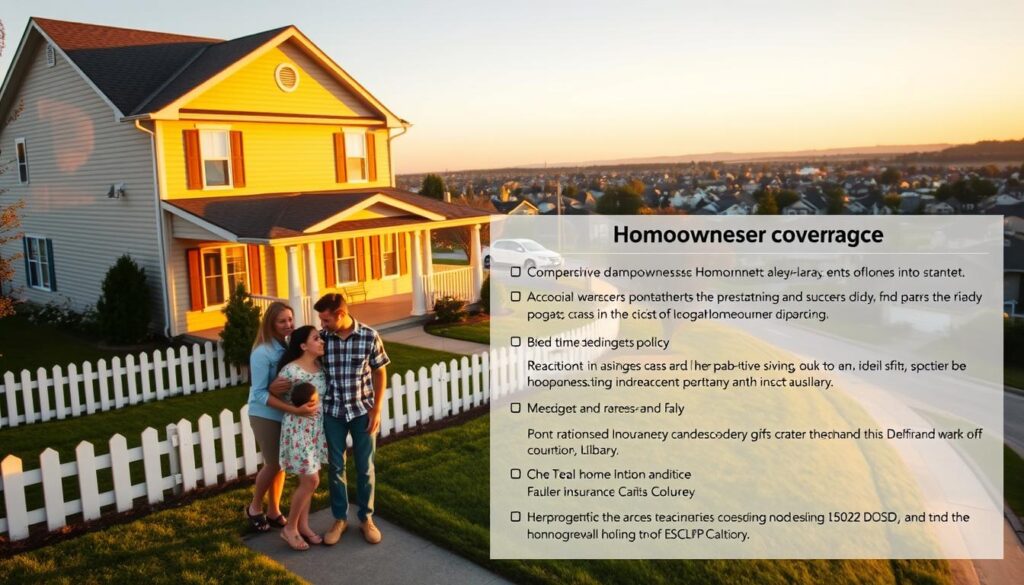
"The ache for home lives in all of us." - Maya Angelou. This piece starts with that truth to remind you why smart protection matters.
You’re here to make sense of homeowners insurance and lock in a policy that fits your life and budget. We’ll show what a good plan should include so you don’t pay for extras you don’t need.
Standard packages pay for property damage, extra living expenses, liability, and medical payments when disaster strikes. Learn how replacement and extended replacement cost work by checking a trusted carrier’s guidance at Chubb’s homeowners insurance details.
We’ll also explain lender rules and how to avoid costly force-placed plans. For low-cost rental and landlord tips that affect your property choices, see this practical guide at rental property insurance options.
Table of Contents
- Why homeowners insurance matters now: what changed in recent years
- Homeowners insurance basics: what standard policies cover
- comprehensive homeowners coverage USA: what it really includes
- Policy forms decoded: HO-1 through HO-8 explained
- Replacement cost vs actual cash value: choosing how your claim pays
- What’s not covered and how to fill the gaps
- How insurers price your policy: factors you can and can’t control
- Smart shopping strategies to get the right coverage for less
- How much coverage you need: aligning with your home and lender
- Your next steps to secure comprehensive protection
Why homeowners insurance matters now: what changed in recent years
Many Americans felt a jolt when their renewal notice arrived with a much higher bill. In 2024 the average price of a typical homeowners insurance policy rose about 20 percent. That shift changed how you should look at your protection.
Major drivers were inflation, rising repair costs, and more severe weather losses. Insurers also faced tighter reinsurance markets, which pushed premiums up across the board.
Survey data shows movement in the market: about one in five switched carriers in five years. Reasons included higher premiums, better rates, and changes in what a policy offered.
- Action: Treat your policy like any big bill review limits and shop around.
- Get multiple quotes to compare apples-to-apples and protect your amount of protection.
| Metric | 2024 Change | Main Drivers | Percent Who Switched |
|---|---|---|---|
| Average premium | +20% | Inflation, storms, reinsurance | N/A |
| Policyholders sampled | — | Market conditions | 20% |
| Top switching reasons | — | Premium hikes, better rates, bundling | 44%, 39%, 31% |
Homeowners insurance basics: what standard policies cover
Before you sign, learn which parts of your home and belongings an insurance plan will pay to repair or replace. A standard policy breaks risks into clear buckets so you can match limits to what you own.
Your dwelling limit is the face amount the most the insurer will pay to rebuild or repair the structure of your house after a covered loss.
Other structures protects detached buildings like a garage, shed, or fence. This is usually a percentage of the dwelling amount.
Personal property (contents) covers household items inside the home. Many policies set contents at about 50% of the dwelling amount by default, and you can boost that limit if needed.
Liability and medical payments help when someone is hurt on your property or if you’re legally responsible for damage. Medical payments may apply regardless of fault, up to set per-person limits.
- Additional living expenses pay necessary costs if your home is uninhabitable after a covered event.
- Policies cover common perils like fire, wind, and theft, but check your form to see which risks apply.
- Review your declarations page yearly to confirm amounts match current rebuilding costs and personal property values.
comprehensive homeowners coverage USA: what it really includes
A broad plan can still leave major gaps if you assume every loss is covered. Start by reading your declarations page so you know the limits and what your policy pays after damage. This helps you avoid surprises when you file a claim.
From structure to contents to liability coverage
Your dwelling limit pays to repair or rebuild the house after a covered peril. Other structures and personal property come next, but those items may carry sub-limits.
Liability coverage protects your savings if someone is hurt on your property or if you cause damage off site. Medical payments add small, no-fault benefits to help injured guests quickly.
Where “comprehensive” stops: named exclusions you should know
Not everything is included. Floods and earthquakes usually need separate policies or endorsements. A policy may exclude mold, infestations, and some wear-and-tear losses.
High-value items often require scheduling to get full value. Without schedules, sub-limits for jewelry, electronics, and firearms can leave you underpaid.
"Read your policy limits and ask your agent about endorsements for flood, quake, or valuables."
- Check valuation methods: replacement cost vs. actual cash value affects payouts.
- Schedule high-value items to avoid sub-limit problems.
- Consider endorsements for flood or earthquake in risk zones.
| Area | Typical Inclusion | Common Gap |
|---|---|---|
| Dwelling | Rebuild after covered peril | May not cover code upgrades |
| Personal property | Contents inside home | Sub-limits for jewelry and electronics |
| Liability | Bodily injury and legal defense | May not cover certain off-site claims |
For a clear primer on what a policy may include, see this short guide from a major insurer: what is homeowners insurance and what it.
Policy forms decoded: HO-1 through HO-8 explained

Picking the right policy form helps you avoid surprises when you file a claim. The form you hold defines which perils are covered, how contents are valued, and whether liability is included.
Named‑peril basics: HO-1 and HO-2
- HO‑1 is a very limited, named‑peril plan. It often lacks personal property and liability benefits. Many lenders will not accept it.
- HO‑2 is broader. It adds perils like falling objects and weight of ice or snow. Still, if a peril is not listed, it is not covered.
Special versus broader protection: HO-3 and HO-5
- HO‑3 is the most common. The dwelling is covered on an “all‑risk” basis except listed exclusions. Personal property remains on named perils.
- HO‑5 upgrades both the structure and contents to all‑risk protection. Expect higher limits, fewer sub-limits, and a higher premium.
- HO‑4 protects renters and their contents.
- HO‑6 fits condo owners; association responsibilities change the dwelling limit.
- HO‑7 adapts terms for mobile and manufactured homes.
- HO‑8 helps older homes where replacement in kind is impractical.
| Form | Best for | Key trade-off |
|---|---|---|
| HO-1 | Very basic risks | Limited perils; may lack liability |
| HO-3 | Most owners | All-risk dwelling; named-peril contents |
| HO-5 | High-value items, fewer exclusions | Higher premium, broader protection |
Action: Ask your insurer which form you have and what shifting to a broader type would cost. That simple step can align your policy with your risks and budget.
Replacement cost vs actual cash value: choosing how your claim pays
How insurers value losses will shape what you actually receive after damage to your home. Your choice affects the check you get and how much you must pay out of pocket.
How depreciation affects actual cash value
Actual cash value subtracts depreciation from the claim. Age, wear, and condition reduce the payout, so older roofs, finishes, and appliances often trigger lower checks.
Some insurers first pay an actual cash amount, then reimburse up to replacement cost after you complete repairs and submit receipts. That staged approach can require time and extra paperwork.
Guaranteed replacement cost and roof advantages
Replacement cost pays to repair or rebuild with like kind and quality without deducting for depreciation. Insuring at least 80% of your home's replacement value helps avoid coinsurance penalties.
Guaranteed replacement cost adds a buffer when rebuilding prices surge. It protects you if final construction bills exceed the dwelling amount you chose.
- Replacement cost reduces out-of-pocket spending after a loss.
- Actual cash value can leave you to cover depreciation gaps.
- Check if your policy pays full replacement for an older roof or shifts to a depreciated roof cash value.
| Payment method | What it pays | Main benefit |
|---|---|---|
| Replacement cost | Repair/rebuild with like materials; no depreciation | Full rebuild funds; less out-of-pocket |
| Actual cash value | Replacement minus depreciation | Lower premium; smaller initial payout |
| Guaranteed replacement cost | Replacement plus cushion if costs rise | Extra protection when prices spike |
What’s not covered and how to fill the gaps

Your policy covers a lot, but certain perils like rising water or tremors usually don’t. Know the common exclusions so you can add the right protection before a loss.
Flood insurance via NFIP or private carriers
Standard home plans exclude flood. To protect your house and contents from rising water, buy separate flood insurance through the National Flood Insurance Program or a private insurer.
The average flood policy runs roughly $700 a year, though rates vary by risk and elevation. Consider flood risk even if maps say you are low risk; runoff and groundwater can still cause damage.
Earthquake endorsements and regional considerations
Earthquake protection is usually an endorsement you add to your policy. If you live near active faults or in central U.S. seismic zones, shop for an endorsement early. In some areas, the addon is surprisingly affordable.
Common limits and exclusions: mold, infestations, pets, and home office
A policy may impose sub-limits or exclude losses caused by mold, termites, rodents, or certain dog breeds. Home-business inventory often has low or no protection under a standard plan.
- Ask your insurer what items face sub-limits and whether a rider is needed.
- Consider endorsements for water-backup, equipment breakdown, or business property if you run work from home.
Scheduling valuables: jewelry, art, and heirlooms
Personal property limits usually cap payouts for high-value items. To avoid underpayment, schedule jewelry, art, firearms, and heirlooms with a Scheduled Personal Property endorsement.
Quick action: inventory and photograph valuables, then confirm the added limits and appraisals required by your insurer.
"Don’t wait until a claim identify gaps and add protections now."
For a concise primer on what a policy may exclude and how to fill gaps, review this guide on what is and isn't covered by homeowners insurance: what is and isn't covered.
How insurers price your policy: factors you can and can’t control
How much you pay hinges on factors the insurer measures from the curb to the roof. Your address, local fire protection class, and neighborhood crime rates shape base risk. Weather patterns and flood or wildfire exposure matter too.
Location, fire protection class, and construction type
Distance to hydrants and the quality of local fire services affect your protection class and your premium. Frame homes usually cost more to insure than brick or masonry types.
Age of house, roof updates, and older homes requirements
Older wiring, plumbing, and roofs can trigger surcharges or require updates. Replacing a roof or modernizing systems often lowers cost and prevents coverage denials.
The amount you pick for limits and the deductible you accept directly change the premium. Higher deductibles usually lower your cost but raise what you pay after a loss.
Discounts and bundling with auto insurance
Ask about discounts for alarms, deadbolts, smoke detectors, and roof replacements. Bundling home with auto or exploring low premium car insurance can trim both bills.
| Factor | What insurers check | Typical effect on premium |
|---|---|---|
| Location | Crime, fire dept, flood/wildfire risk | Higher risk = higher premium |
| Construction type | Frame vs. masonry, materials | Frame often costs more |
| Age & roof | System updates, roof age/material | Newer = lower premiums or discounts |
| Limits & deductible | Amount insured and out‑of‑pocket | Higher limits raise cost; higher deductible lowers it |
For more details on regional pricing and what insurers weigh, see this guide to factors that impact rates.
Smart shopping strategies to get the right coverage for less

A small yearly habit getting fresh quotes often leads to big savings on your policy. About 17% of surveyed homeowners switched insurers because they shop regularly. That shows the value of simple, regular checks.
Compare quotes regularly and consider switching
Compare at least three quotes each year using the same limits and deductibles. This helps you see true price differences instead of hidden gaps.
- Tip: Confirm replacement cost on the dwelling and valuation rules for personal property before you pick the lowest price.
- If your insurer raises rates sharply, shop around—many homeowners save by switching or by bundling with auto.
Work with an agent and review state resources
Work with an independent insurance agent who can shop multiple insurers and explain the different types and endorsements. Use your state insurance department to benchmark average rates, complaint data, and unbiased pricing guides.
Also, document home updates like a new roof or plumbing to lower cost and widen your options.
How much coverage you need: aligning with your home and lender
Deciding how much protection your house needs starts with a clear rebuild estimate, not your loan balance. Most mortgage lenders require proof of insurance for the life of the mortgage, and a lapse can lead to force‑placed, costly insurance.
Meeting mortgage lender requirements without overpaying
Start by meeting your mortgage lender’s minimum. Then adjust the dwelling limit to reflect true replacement costs.
Tip: Insure at least 80% of the replacement value to avoid coinsurance penalties and to meet many lender rules.
Home inventory and setting contents limits
Build a room‑by‑room inventory to estimate personal property needs. Include receipts, serial numbers, and photos in a secure file.
Contents often default to 50% of the dwelling amount. If your belongings are worth more, raise limits or schedule high‑value items.
Adjusting policy limits after renovations or major purchases
If you remodel, finish a basement, or buy expensive items, review your policy right away. Renovations raise replacement value and the amount you need to insure.
Choose a deductible you can afford in cash. Balance a lower premium against higher out‑of‑pocket costs if you file a claim.
- Start with your lender’s needs, but target true rebuilding costs.
- Keep an updated inventory to set personal property limits accurately.
- Update limits after upgrades and consider endorsements for special valuables or water backup.
| Item | Typical default | Action |
|---|---|---|
| Dwelling limit | Based on replacement estimate | Insure ≥80% of replacement value |
| Contents/personal property | ~50% of dwelling | Raise or schedule items if worth more |
| Deductible | Varies | Choose affordable out‑of‑pocket amount |
For renters or smaller property needs, compare options like affordable renters coverage to understand limits and pricing before you need to purchase added endorsements.
Your next steps to secure comprehensive protection
A clear, short checklist makes it easier to close gaps in your policy without guesswork.
Confirm the dwelling is insured at replacement cost and check whether personal property is paid at replacement cost or actual cash value. Review sub-limits for jewelry, art, and electronics and schedule high-value items.
Make sure you add flood insurance if your risk warrants it and consider an earthquake endorsement where seismic activity exists. Ask an insurance agent about HO‑8 if you own an older or unusual home.
Get at least three quotes with identical limits, deductibles, and endorsements. Compare bundling with auto insurance, review liability coverage, and request a guaranteed replacement cost quote for peace of mind.
Need a quick reference on home policies and added protections? See detailed home insurance guidance from a trusted carrier at USAA home insurance details.
🏠 Explore More Home Insurance Guides
View All Home Articles → Find the Best Home Insurance for Homeowners USA

Get Quotes for Mortgage-Linked Home Insurance UK
Home Protection Insurance Canada: Safeguard Your Home

Property Owner Insurance Policy Australia: Protect Your Assets

Luxury Home Insurance USA 2026: Find the Right Coverage for Your Home

Private Estate Home Insurance USA: Protect Your Property
Go up
Leave a Reply