

Home Automation Insurance UK: Compare & Save

When Sarah moved into her first flat she relied on a smart home hub and a handful of devices to feel safer. One rainy evening a leak alarm woke her, and an app-led call connected her to a tradesperson within an hour.
That quick fix came from a policy that bundled smart kit with emergency support. You’ll see how simple choices, like adding leak detection or a video doorbell, can cut costs and reduce risk.
We’ll guide you to compare options fast, get a clear quote and know what sensible cover looks like. Expect mentions of trusted names such as Defaqto 5-star ratings, Sky Protect and Zurich, plus partners who provide emergency help and legal aid.
By the end of this guide you’ll understand how to protect smart home setups, use an app to manage documents and keep peace of mind without overpaying.
Table of Contents
- What is smart home and home automation insurance in the UK?
- How smart home insurance works and why it matters to you
- What does smart home insurance typically cover?
- Costs, discounts and practical ways to save on your premium
- home automation insurance UK: how to compare policies and providers
- Smart devices that can influence your cover and claims
- Ready to protect your smart home? Your next steps to compare and save
What is smart home and home automation insurance in the UK?
Imagine your heating turning on before you wake because sensors and an app have worked that out for you. That simple example shows what a smart home does: it links multiple products so they share data and act together.
Smart home vs connected home: what’s the difference?
A smart home integrates systems and devices into one control point and uses data to automate tasks. It learns habits, triggers routines and can react without you pressing a button.
A connected home still uses Wi‑Fi or Bluetooth devices you control with an app, but those gadgets do not always share data or automate. Both help daily life, but true smart setups offer richer automation.
How IoT devices, apps and systems work together in your home
Typical IoT kit includes heating, cameras, locks, sensors and smart lights. These parts communicate through a hub or an app and can create routines for example, lights and cameras respond if a door sensor detects movement.
- Heating can learn routines to save energy.
- Leak sensors alert you to stop damage early.
- Smart locks and cameras give insurers proof of stronger security.
Good configuration can lower risk and support better cover decisions, so choosing the right mix of products matters for your protection and premiums.
How smart home insurance works and why it matters to you
Your smart kit can act like an early-warning team that helps avoid costly repairs. Insurers now factor in sensors, cameras and locks when they assess risk and price cover.
Lower risk, fewer claims: from leak detectors to video doorbells
Devices that deter theft or catch leaks early can reduce the chance you need to make a claim. Leak sensors and video doorbells give evidence of events and can stop small issues growing into big repairs.
- Some providers reward specific kit with discounts; others do not always check the fine print.
- Fixed-price periods and added cover for legal, cyber and emergency help are common in bundled plans.
Peace of mind at home and away: alerts, app control and assistance
App alerts and SMS notifications mean you act fast, even when you’re away. That speed can cut damage and protect your belongings.
Tip: Document your systems and settings to help underwriters understand your risk profile. For an example of integrated cover see Sky Protect smart tech cover.
What does smart home insurance typically cover?

A clear split between the building, your belongings and emergency help makes choosing cover easier. Below is a quick guide to what you can expect and what to check in policy documents.
Buildings and contents: protecting bricks, foundations and your belongings
Buildings cover protects the main structure bricks, roof and foundations from fire, flood and storm. Set sums to rebuild, not market value, to avoid under‑insurance.
Contents cover protects your possessions from theft, loss or damage. List high‑value products such as cameras or TVs separately to ensure full payment after a claim.
Accidental damage: mishaps beyond wear and tear
Accidental damage covers sudden, unintended events. It can include spills on carpets or a stepped‑on tablet screen. Some policies include a basic level; you can buy higher limits for costly devices.
Home emergency cover and rapid assistance
Home emergency cover gives fast help for urgent failures like heating breakdowns, plumbing issues or broken locks. Many policies offer 24/7 access to trusted tradespeople and a temporary fix limit, often up to £1,000 per claim.
Family legal assistance and cyber support
Family legal assistance may provide advice and cover legal costs up to around £50,000 if a solicitor is needed. Cyber cover can help after online incidents and some plans include secure cloud storage for device recordings.
Device insurance options and common exclusions
You can insure mobiles and other devices alongside your main policy or via separate product cover. Check limits, excesses and whether wear and tear or unattended openings are excluded.
| Cover type | Typical limit | Key benefit | Watch‑outs |
|---|---|---|---|
| Buildings | Sum to rebuild | Protects structure after fire/flood | Under‑insurance if sum too low |
| Contents | Per item & total limit | Replaces belongings after theft or damage | High‑value items may need listing |
| Home emergency | Often up to £1,000/claim | Fast tradespeople and temporary fixes | Only urgent faults covered |
| Legal & cyber | Up to £50,000/yr | Advice and costs for legal disputes or cyber incidents | Checks on qualifying events |
For a deeper look at smart options and policy examples, see our smart home cover guide.

Your postcode and the build of the property are two of the biggest drivers of what you pay.
Other factors include the level of cover, declared contents totals and any devices you add that reduce risk. Provide accurate rebuild values and a realistic contents list to get a sharper quote.
What affects price
Address, property type and size influence local risk (crime, flood history). Older or timber‑framed properties can cost more to cover.
Cover level and add‑ons higher sums insured, accidental damage and additional contents cover raise the cost. Adding devices that prove better security or leak protection can help lower premiums.
Money‑saving tips
Paying annually usually reduces admin fees and total cost versus monthly instalments.
Consider a higher voluntary excess if you can afford it; this cuts premium but increases what you pay per claim.
Build a no‑claims record and avoid paying for extras you don’t need. Check whether bundled emergency cover, legal and cyber protection is included or duplicated elsewhere.
"Accurate details give underwriters confidence and can lead to fairer pricing."
Fixed‑price periods and admin fees
A 24‑month fixed price can stabilise what you pay, though changes you make may void that guarantee. Look for policies with no admin fees for routine adjustments; be aware of cancellation charges.
| Factor | How it affects cost | What to check | Practical action |
|---|---|---|---|
| Postcode | Reflects local risk and claims frequency | Flood maps and crime stats | Verify location details and ask for risk reductions |
| Property type | Older or non‑standard builds often cost more | Construction, age, security features | Document locks, alarms and any protective devices |
| Policy extras | Adds to premium but may save on single incidents | Limits for emergency cover, accidental damage | Compare bundled cover vs separate purchases |
| Payment and excess | Instalments raise overall cost; higher excess lowers premium | Admin fees, cancellation charges, excess level | Pay annually if possible; choose an affordable excess |
To get a competitive quote, prepare rebuild values, contents totals and details of any security or monitoring kit, and be consistent across providers. For a related look at tech and pricing, see this analysis on regional impact: regional smart tech and pricing.
home automation insurance UK: how to compare policies and providers
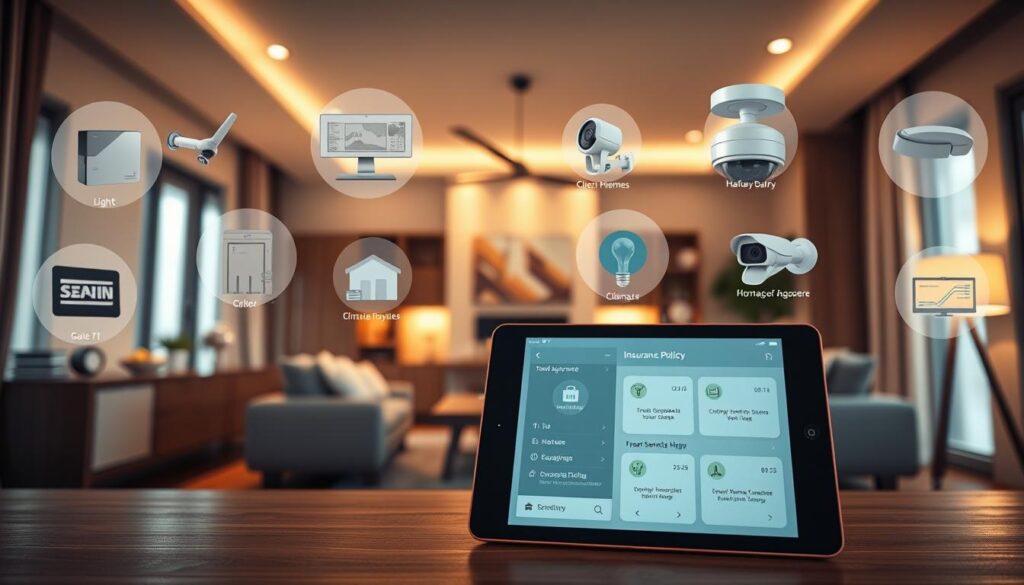
Start your comparison by listing what matters most: cover limits, the app experience and who picks up the phone when you need help.
What to compare: cover, add-ons, claims support and app experience
Check core cover levels first. Confirm rebuild sums, per‑item limits and whether accidental damage is included.
Look for clear home emergency and legal assistance limits, plus any cyber support. Test the provider app for live alerts, secure cloud storage and easy claims submissions.
Case in point: smart tech with integrated app control
One integrated package provides a video doorbell, indoor camera, leak detectors and motion sensors, all managed in a single app. That setup gives automated alerts and secure cloud storage.
Tip: Confirm who underwrites the policy and which trades deliver emergency help. For an example of provider features, see this smart‑home security guidance: smart‑home security guidance.
Getting a quote: information you’ll need and how to streamline it
Have your property details, a list of security products, previous claims and desired limits ready. Accurate data speeds quotes and reduces the chance of surprises at renewal.
| What to check | Why it matters | Quick action |
|---|---|---|
| Cover limits | Ensures full repair or replacement | Set realistic rebuild and contents sums |
| App & cloud | Faster alerts and claim evidence | Test the app before you buy |
| Home emergency & trades | Speedy fixes reduce damage costs | Confirm 24/7 support and partner details |
| Underwriter & ratings | Shows financial backing and service quality | Check independent ratings and policy wording |
Smart devices that can influence your cover and claims
A small set of well‑placed gadgets often makes the biggest difference to claims and peace of mind. Insurers look at specific devices when they assess risk, so picking the right kit matters.
Security kit: video cameras, motion sensors, smart locks and doorbells
Video doorbells and motion‑triggered cameras deter intruders and record events. That footage can speed a claim and support police enquiries.
Smart locks and alarms show you sealed access points and may lower theft risk, though discounts vary by provider.
Water protection: leak detectors and alerts to your phone
Leak detectors beep and send phone alerts the moment moisture is found. Early warning reduces water damage and the cost of repairs.
Heating and energy: thermostats, routines and safeguarding your home
Programmable thermostats keep pipes above freezing and cut waste. Routines can run heating when needed, lowering the chance of frost damage.
| Device type | How it helps | Impact on claim | What to maintain |
|---|---|---|---|
| Video doorbell / camera | Deters intruders; records events | Provides evidence; can speed payout | Check camera angle and cloud backups |
| Leak detector | Alerts you early to moisture | Reduces water damage and repair cost | Test sensors and replace batteries |
| Smart thermostat | Prevents frozen pipes; saves energy | Lowers risk of heating failures | Update firmware and test schedules |
Tip: Keep receipts, photos and a simple inventory so your setup is recognised by your insurer. For guidance on insuring tech, see insuring your smart setup.
Ready to protect your smart home? Your next steps to compare and save
Take a few focused steps and you’ll have a policy that matches your tech and budget.
Start by listing must‑haves: buildings and contents limits, accidental damage, legal and cyber assistance, and whether you need home emergency cover with trusted tradespeople.
Gather details to speed a quote address, property type and size, security features, smart devices, prior claims and preferred excess. Some providers offer integrated smart home insurance with a 24‑month fixed price and included kit like doorbells and leak sensors.
Compare total value, not just costs: check fixed‑price periods, admin fees, response times and what emergency cover actually covers. Save device settings and evidence securely so you can prove events if you need assistance.
When you’re ready, lock in your policy, set review reminders and keep devices up to date. That simple routine helps protect smart home life and keeps real peace of mind.
🏠 Explore More Home Insurance Guides
View All Home Articles → Smart Home Insurance Discounts USA: Exclusive Offers

Smart Device Protection Cover Australia

Find Best Smart Home Security Insurance UK for You

Connected Home Insurance Policy Canada
Get comprehensive homeowners coverage USA for Your Home

Find the Best Home Insurance for Homeowners USA
Go up
Leave a Reply