

Apartment Insurance for Students Australia: Protect Your Belongings

It started on a Tuesday. You leave a laptop on a desk, head out to class, and an unexpected storm causes a ceiling leak that ruins your electronics.
That’s the moment you learn landlord cover protects the building, not your things. Your phone, bike and headphones are your responsibility unless you have the right contents insurance.
Contents cover can replace items after theft, fire or water damage, and many policies include temporary accommodation and legal liability.
You’ll get a plain‑English guide to what a typical policy covers, what “new‑for‑old” means, and why a small weekly cost can save you thousands after a major event.
Ready to compare cover and get a quick quote and details? This guide will help you pick the right sum insured and avoid surprises when you need a claim.
Table of Contents
- Why students in Australia need contents cover for rentals right now
- apartment insurance for students Australia
- What’s covered: insured events and benefits that matter when you rent
- How much cover you need: getting your contents sum insured right
- Optional extras that protect your on‑the‑go student life
- Price check: premiums, excess and what influences your costs
- Exclusions, limits and waiting periods to watch for in your policy
- Making a claim: fast steps when an event or loss happens
- Your next step: get a student‑smart contents policy and protect your future
Why students in Australia need contents cover for rentals right now
A single burst pipe or a stolen laptop can turn a semester upside down. Landlord cover protects the building, not your things, so your valuables are at risk after an insured event like theft, fire or water damage.
The gap is simple: the owner's policy looks after property, fixtures and rental income. It does not replace your gadgets, clothes or shared lounge gear when damage is caused.
The common losses you should know about
The most frequent claims come from laptops, phones, bikes and shared-house items such as couches or kitchen appliances. Break‑ins, storms and burst pipes are typical examples where renters face direct loss.
- Share houses raise exposure: more visitors and higher foot traffic increase small theft risks.
- Document shared ownership and receipts so you can prove who owned what.
- Pick a policy that matches your lifestyle, how often you’re away and where you store valuables.
Want a short guide to help decide? Read why contents cover matters and use that as your checklist when choosing cover.
apartment insurance for students Australia

When you live away from home, your things need a safety net that fits your life. This product is contents cover shaped around shared rooms, studios and short-term stays rather than a family house.
What it is in a nutshell
Contents insurance here protects your belongings gadgets, clothes and shared lounge items against theft, fire or other insured damage. Many renter‑specific policies include legal liability up to $20 million and flood cover as standard.
Who it suits and how it flexes
This policy suits flatmates, on‑campus studios and people who move each semester. Cover often continues automatically while you move addresses for up to 14 days, and optional personal valuables cover can protect mobiles, laptops and bikes with per‑item limits.
- Single room: basic contents sum and liability protection.
- Shared house: list high‑value items and consider shared or individual policies.
- Short stays: look for automatic transit cover and flexible terms.
| Feature | Typical benefit | Why it matters |
|---|---|---|
| Legal liability | Up to $20 million | Protects you if someone is injured near your contents. |
| Moving/transit cover | 14 days automatic | Keeps items covered during a short move between addresses. |
| New‑for‑old replacement | Available on many products | Replaces older devices with new items good value for tech and furniture. |
If you want practical details and tips on living-share cover, see the student share accommodation guide to compare options and common questions.
What’s covered: insured events and benefits that matter when you rent

Think about the worst storm or a break‑in and how quickly daily life can be interrupted. Below is a clear run‑down of the typical insured events and the practical benefits that help you recover fast.
Insured events at a glance
Typical events: theft and attempted theft, fire and smoke (including bushfire), storm and cyclone, flood, lightning, impact (falling trees or vehicles), vandalism, earthquake, explosion and riot. Check local flood and storm risk before you choose cover.
Damage types and everyday protections
Damage caused by escaping water (burst pipes or appliances) is usually covered if it’s sudden. Accidental glass or ceramic breakage and lightning surge damage to electronics are often included too.
Extra benefits that matter
- Legal liability: common limits up to $20 million.
- Tenants’ liability: often up to 10% of your contents sum insured.
- Clean‑up & debris: professional fees up to about 20% of your sum insured.
- Temporary accommodation & pet boarding: help when your home is unliveable.
| Item | Typical limit | Why it helps |
|---|---|---|
| Contents outside | Up to $20,000 (often capped at 10%) | Covers items on balconies or in sheds after a loss. |
| Contents in transit | Up to 20% with removalist | Protects your gear while you move. |
| Storage of undamaged items | Up to 10% of sum insured | Keeps belongings covered during repairs. |
How much cover you need: getting your contents sum insured right

Start by adding up what you'd need to buy today to replace every major item in your room. That approach makes the maths simple and reduces the risk of underinsurance when damage leads to a claim.
Room‑by‑room valuation
Work through each room and list items with approximate new prices. Use a contents calculator from insurers to get a fast estimate, then refine it with your own numbers.
Tip: include seasonal gear, shared lounge furniture and small kitchen appliances these quietly add up and affect your sum.
How new‑for‑old replacement affects your number
New‑for‑old replacement means an insurer pays to replace damaged goods with current models. That raises the replacement cost for electronics and furniture, so build a buffer into your sum insured.
Easy wins: proof and regular updates
Take photos, keep receipts and note serial numbers. These details make claims smoother and help prove the value of items when loss or damage occurs.
Review your cover after major purchases and at the end of each semester. Updating the sum prevents shortfalls and keeps your coverage aligned with real value over the next few years.
| Step | What to record | Why it matters |
|---|---|---|
| Inventory by room | Item name, model, new price | Sets an accurate sum insured to match replacement costs. |
| Proof | Photos, receipts, serials | Speeds claims and confirms value after loss or damage. |
| Review & buffer | Adjust sum every 6–12 months | Protects you from price rises and new purchases over the years. |
Need more guidance on what counts as contents and how to pick a suitable sum? Read the contents insurance guide for practical details and a simple calculator to help with your quote.
Optional extras that protect your on‑the‑go student life
Your day might include a rushed tram ride, a crowded library, and a coffee‑spill all risks to your gear. A few targeted extras can close the gaps standard policies leave open.
Portable contents and accidental damage
Portable contents cover protects phones, laptops, tablets, cameras, jewellery and bikes when you take them out and about. Some brands set per‑item caps (often around $1,000) unless you list high‑value items.
Accidental damage cover handles spills, drops and party mishaps at home. It can save you repair or replacement costs after everyday damage caused by accidents.
Motor burnout, commercial storage and business items
Motor burnout often covers electric motors in fridges, washers and other appliances up to a set limit and may carry a separate excess.
Commercial storage cover protects contents in storage units for selected events, and Business Items cover guards study or side‑gig gear up to set limits per incident.
| Extra | Typical limit | Why it helps |
|---|---|---|
| Portable contents | $1,000 per item (varies) | Covers gear when away from home and reduces out‑of‑pocket loss. |
| Accidental damage | Full repair or replacement | Fixes laptops, phones and screens after spills or drops. |
| Motor burnout | $1,000–$2,000 | Replaces motors in appliances without claiming general wear and tear. |
| Commercial storage | Up to $20,000 (selected events) | Keeps belongings safe while you move or travel. |
Compare typical weekly premiums against the cost to replace your laptop, phone and furniture. That simple benchmark helps you decide whether a low premium is actually value or a risk.
Indicative 2025 costs and how value compares to replacement prices
Typical 2025 weekly pricing: Basic ~$4–$10 for ~$20,000 contents; Standard ~$8–$15 for ~$30,000; Comprehensive ~$12–$25 for ~$50,000; Premium ~$15–$30 for ~$75,000+. These averages come from multi‑insurer data in 2025.
Weigh these costs against the replacement value of your main items. If your laptop and phone alone are close to your sum insured, choose a higher cover level rather than chasing a cheaper premium.
Ways to save: annual payment, alarms, newer buildings, higher excess
You can cut premiums by paying annually, installing alarms, living in newer buildings, or accepting a higher excess. Each choice lowers the premium but raises your out‑of‑pocket cost after an insured event like theft or storm damage.
"Choosing the right excess is a trade‑off: lower weekly cost now versus a bigger bill when you need to claim."
- Pay annually: often a small discount and no monthly loading.
- Higher excess: lowers the premium but increases claim cost.
- Security & postcode: alarms and safer areas reduce risk and premiums.
| Level | Typical weekly premium | When it makes sense |
|---|---|---|
| Basic | $4–$10 | Minimal contents, low replacement value |
| Standard | $8–$15 | Average tech and furniture — good balance |
| Comprehensive | $12–$25 | Higher gadget values and broader cover |
| Premium | $15–$30+ | Extensive cover and high sum insured |
Tip: request a personalised quote and give accurate home and security details. That keeps your premium fair and avoids surprises when you lodge a claim for damage after an insured event.
Exclusions, limits and waiting periods to watch for in your policy
A quick purchase before a storm warning won't guarantee a payout on that same night. Most providers apply a 72‑hour waiting period after you start or upgrade cover for risks such as bushfire, storm, flood and earthquake. This rule helps stop last‑minute signups when an event is imminent.
What commonly isn’t covered
Wear and tear, gradual deterioration and poor maintenance are excluded. That means repairs from ongoing damage rarely get paid.
Theft from shared or common areas often needs forced entry to be covered. Theft without force can be an exclusion, so secure storage and locks matter.
Limits, overseas items and excesses
Portable contents taken overseas usually have specific limits and extra excesses unless you add optional cover. Sub‑limits apply to jewellery, bikes and high‑value items name them if you want full protection.
- Storm surge and actions of the sea are usually excluded unless linked to a covered storm.
- Limits can reduce payouts for items kept outside your unit keep receipts and photos as evidence.
- Review excesses: higher excess lowers cost but raises what you pay after a claim.
Read the PDS and full details before you buy so you know exactly which exclusions and limits apply to your property and belongings.
Making a claim: fast steps when an event or loss happens
If you discover sudden damage or loss, quick action keeps problems small. Start by putting safety first and calling emergency services if anyone is hurt.
Gather evidence with photos and short video of damaged contents and the scene. Collect receipts, serial numbers and a simple list of items to speed assessment.
Notify, lodge and track
Tell your insurer as soon as practicable. Many providers including Youi accept claims by phone, online or app, and offer an online tracker so you can follow progress in real time.
What insurers may ask
Expect questions about the event timeline, who was at the address, and proof of ownership for key items. Police reports are usually required for theft or malicious damage.
"Provide full details early it often speeds the outcome and reduces back-and-forth."
| Item | Typical request | Why it matters |
|---|---|---|
| Photos & videos | Clear images of loss and damage | Speeds assessment and supports your claim |
| Receipts & serials | Proof of ownership and value | Helps decide repair, replace or cash settlement |
| Police report | Report number for theft | Mandatory for many theft claims |
Know how excess applies and whether multiple excesses could be payable. If items were damaged in transit by a professional removalist, check time limits and sub‑limits in your policy to claim correctly.
Your next step: get a student‑smart contents policy and protect your future
Protecting your gear is as much about planning as it is about paperwork. Choose a student‑smart policy that includes new‑for‑old replacement, temporary accommodation and debris removal for major insured events like theft, fire, storm and flood.
Make sure your cover lists the right sum insured with portable options for mobiles, laptops, bikes and jewellery. Check exclusions, storage limits and motor burnout for key appliances so there are no surprises when you claim.
Compare value, not just premium: one big replacement can outweigh months of savings. Ready to get clear on product features and request a quote? See a helpful student cover guide and lock in your protection today.
🏠 Explore More Home Insurance Guides
View All Home Articles → Compare Renters Insurance Online UK - Get Best Quotes

Explore Luxurious Canadian Mansions for Your Dream Home

Luxury Home Insurance Australia: Protect Your High-Value Property

Emergency Home Recovery Insurance USA: Get Covered

Natural Disaster Coverage Australia: Insurance for You
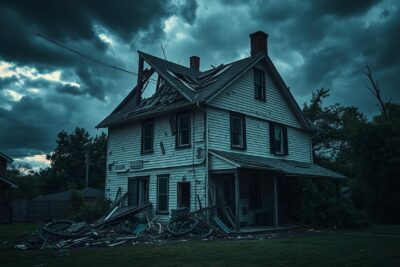
Is Your Home Covered? Storm Damage Home Insurance
Go up
Leave a Reply