

Low-Cost Junior Life Plan UK: Secure Your Child's Future

When Tom and Sarah tucked their newborn into a cot, they joked about saving for a first bike. A decade later, those small monthly payments meant the world when university costs arrived. That simple habit shows how a steady product can turn into real cover for your family.
A junior endowment-style option gives a guaranteed sum from day one, then aims to grow via with-profits bonuses. Healthy Investment’s Standard Savings Plan, for example, accepts from £10 a month on typical terms of 10–25 years, with maturity often set at or after a child’s 16th birthday.
The clear benefit is a safety net: you lock in a guaranteed amount and gain the potential upside of smoothing and declared bonuses. The arrangement also includes built-in cover during the term, so your family has protection if the worst happens.
In this article you will find concise information on what the product covers, how guarantees work, and practical things to consider so you can start with confidence and keep things straightforward.
Table of Contents
- Protect your child’s future today with affordable junior life cover
- How a low-cost junior life plan UK works
- Monthly costs, premiums and the value you can build
- Life cover built in: what’s covered and when it pays out
- Bonuses, investment approach and ethical credentials
- Eligibility, terms and key information you need to know
- Free parent life cover alongside your child’s plan
- Broader family protection options to consider
- Ready to get started? Get a quote and secure their future now
Protect your child’s future today with affordable junior life cover
Families who start regular contributions early often find they build more than just savings — they buy protection too. A friendly society option can let you save from as little as £10 per month while the arrangement also provides built-in cover for your child throughout the term.
Why a junior option adds value beyond a standard savings account
Guaranteed maturity value with the chance of reversionary and terminal bonuses gives more upside than many basic accounts. Bonuses, once declared, stay in the policy and smoothing helps reduce market swings.
What “low-cost” really means for your monthly budget
- Start from £10 per month; you can increase contributions later.
- If you’ve used your £25 Tax Exempt Savings Plan allowance you may save up to £275 per month with some providers.
- Proceeds may be free of income and capital gains tax at maturity under current rules, but tax rules can change.
- For many parents, this is a practical way to convert small, regular payments into real value and peace of mind.
How a low-cost junior life plan UK works
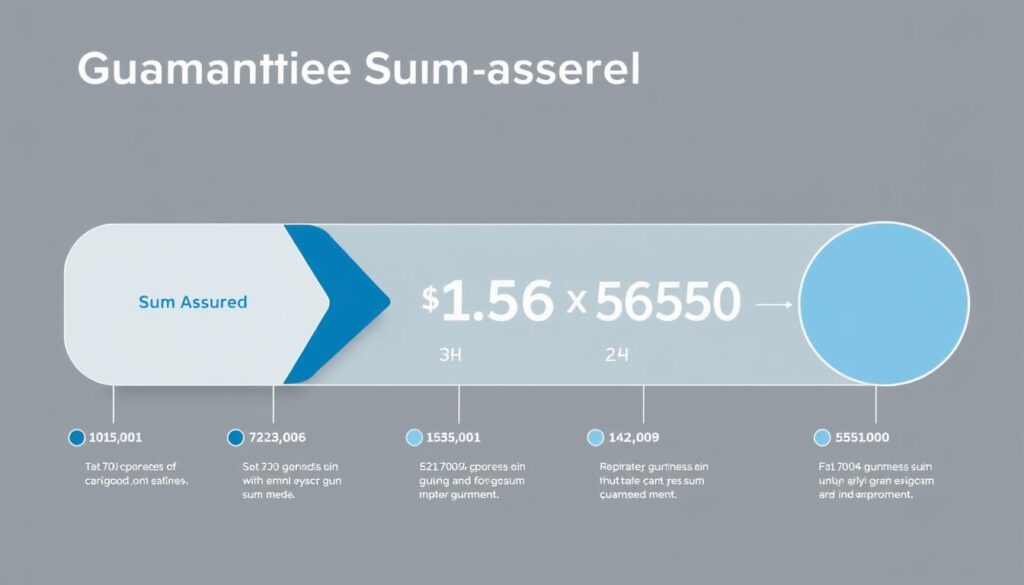
Start by knowing the guaranteed amount and how bonuses can add to that sum over time. When you take out a Standard Savings Plan you are shown the guaranteed sum assured up front, provided you keep to the agreed payments.
Guaranteed sum assured, with-profits growth and potential bonuses
Your policy participates in an ethical with-profits fund. Each year it may receive reversionary bonuses that, once added, become part of the guaranteed benefits.
Interim bonuses can apply to in-year payouts and a terminal bonus may be declared at maturity. Bonus rates have varied (for example around 1.50% in 2024) and are not guaranteed.
Who gets the lump sum and when it’s typically paid
If the product is set up in your child’s name, the lump sum is paid to them at maturity. On death during the term, the cover pays the guaranteed amount plus any added bonuses to the estate.
Understanding the policy’s term, maturity date and flexibility
You choose a fixed maturity date or a term between 10 and 25 years, provided the policy matures no earlier than the child’s 16th birthday. This gives you flexibility to target milestones like higher education or a first home.
- Clear information is provided at sale about how bonuses are declared and what affects returns.
- The fund uses diversified investment across equities, bonds, property and cash, with smoothing to reduce short-term volatility.
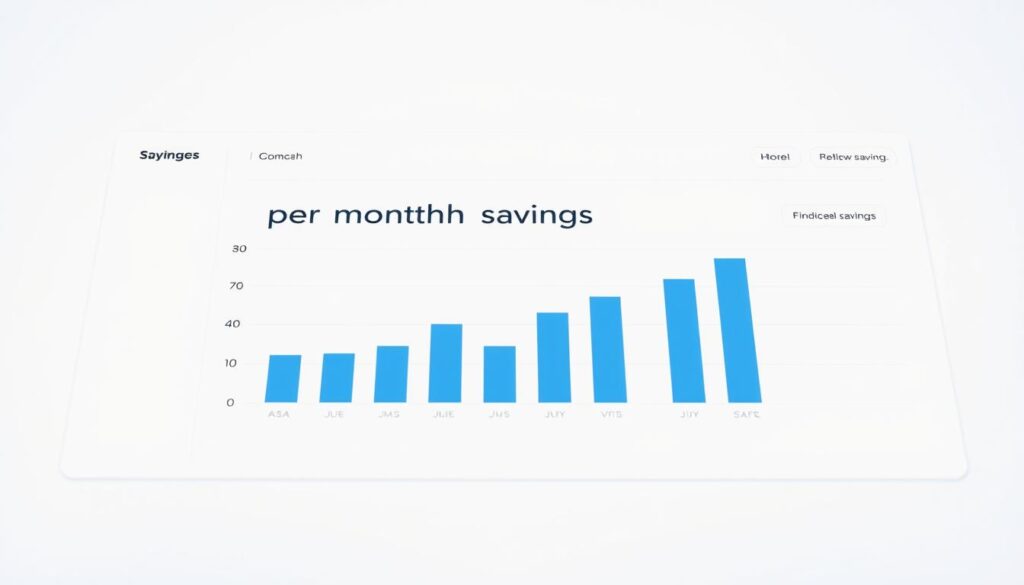
How much you set aside each month directly affects the guaranteed sum and any bonus additions. A small start can grow, but the term you choose and the amount you pay matter just as much.
Saving from £10 up to £275
You can begin from £10 per month and increase contributions as your budget allows. If you have already used a friendly society allowance, you may pay up to £275 per month.
If you pay more than £25 a month, the provider may request brief medical details. This helps set the correct premiums without lengthy checks.
What changes the amount and overall value
The chosen contribution and term determine the guaranteed benefits and the embedded level of cover. Bonuses declared over time can lift your savings, but they are not guaranteed and depend on investment performance.
"Stopping early can mean you get back less than you have paid in, especially in the first year."
| Factor | How it affects value | What to watch for |
|---|---|---|
| Monthly contribution | Higher amounts raise the guaranteed sum | Ensure premiums suit your income and circumstances |
| Term | Longer terms allow growth and smoothing | Short terms may limit bonus potential |
| Market & costs | Investment returns and fund charges affect final value | Inflation can reduce real spending power |
Practical tip: Think about your income and other commitments before changing payments. Contact your provider first if circumstances force a pause so you know the likely effect on cover and maturity proceeds, and consider independent advice on tax treatment if needed.
Life cover built in: what’s covered and when it pays out

Your child is covered from the start, meaning the policy safeguards future plans while you save. The arrangement combines a guaranteed benefit with added bonuses where declared.
Guaranteed lump sum on death plus any added bonuses
If the insured child dies during the term and premiums are up to date, the policy pays the original guaranteed sum plus any reversionary or interim bonuses already added. This gives a clear, immediate sum to help with practical costs and short-term needs.
Medical questions and health information in certain circumstances
When you apply, providers may ask simple health questions about current or past conditions. If you pay more than £25 a month, expect further health information to be requested so the provider can assess risk fairly.
- Claims are assessed against the policy terms and, when premiums are current, are designed to release funds promptly.
- Provide full, accurate health details when asked to ensure the cover stays valid throughout the term.
- Interim bonuses may be added if the policy ends mid-year, which can slightly increase the total paid on a valid claim.
| Aspect | What it means | What you should check |
|---|---|---|
| Day-one cover | Immediate protection alongside savings | Who the payout goes to and any age limits |
| Amount paid on death | Guaranteed sum plus added bonuses | Whether bonuses declared are already included |
| Health questions | Simple or extra checks for higher monthly payments | Answer fully to avoid later disputes |
| Interim bonus | Extra on in-year endings, including claims | Ask how interim bonuses are calculated |
Keep your documents safe. The policy paperwork explains who receives the payout, how the sum is calculated and what to expect when you need to make a claim.
Bonuses, investment approach and ethical credentials
Understanding how bonuses work helps you set sensible expectations for future value. The policy uses a mix of fixed guarantees and potential extras that depend on fund performance and costs over the years.
Reversionary, interim and terminal bonuses explained
Reversionary bonuses are declared annually and, once added, become part of the guaranteed sum. Historic examples include around 1.50% in 2024, 1.25% in 2023 and 0.65% during 2020–2022.
Interim bonuses apply to in-year payouts and adjust payments if a claim happens before year end. A terminal bonus may be added at maturity or on death but it is not guaranteed.
An ethical with-profits fund: stocks, bonds, property and cash
The fund blends stocks and shares with fixed interest bonds, commercial property and cash to spread risk. It excludes sectors such as tobacco, armaments, alcohol, fur, gambling and pornography.
The manager looks for companies that support climate action, diversity and energy efficiency, aligning the investment approach with your family's health and social values.
Smoothing returns and what it means for members over time
Smoothing reduces short-term ups and downs so members see a steadier result from month to month. It cannot eliminate long-term market falls, but it can help protect the overall level of benefits across different market cycles.
- Three bonus types add to guaranteed sums in different ways.
- Diversified investment aims to create lasting value for members.
- Bonus rates reflect investment returns, expenses and solvency; past rates do not guarantee future outcomes.
Eligibility, terms and key information you need to know
Before you apply, check who can open a policy and which term best matches your goals. Any UK resident can usually start a Standard Savings policy provided it matures before the owner reaches age 65 and the maturity date is on or after the child’s 16th birthday.
Who can start a policy and the typical term
You can choose a fixed maturity date or pick a term typically between 10 and 25 years. The chosen term affects the guaranteed amount and how bonuses may build over the years.
If the policy is in the child’s name, the proceeds are paid to them at maturity. If you are the owner, confirm the policy will mature before you reach age 65 to meet usual eligibility rules.
Tax treatment, ISA considerations and important risk notes
Under current rules, proceeds paid to the child at maturity can be free of income and capital gains tax, but tax rules can change. Think about how this product sits with any isa strategy so you use tax-efficient options together.
- Stopping early can mean you get back less than you paid in, especially in the first year.
- Bonus levels are not guaranteed and may be nil in exceptional market conditions.
- Inflation can reduce the real value of the final amount, so choose term and contributions to match future costs.
If you have questions about suitability, consider seeking regulated financial advice. For ISA-specific queries see the junior ISA FAQs for guidance alongside this product.
Free parent life cover alongside your child’s plan
A short-term free policy can give parents breathing space while you set longer cover in motion.
What you get: If your child is under four, each parent can receive £15,000 of free cover for 12 months. There’s nothing to pay and no bank details are needed during this year.
Who qualifies: You must be 18–66, permanently resident in the UK and named on the birth, adoption or guardianship papers. You cannot have had a cancer diagnosis or treatment in the last 12 months. You also cannot have taken the policy for the same child before.
- The policy pays out on a valid claim during the 12-month term, so it provides immediate protection for your family.
- Exclusions include death from alcohol or non-prescribed drug overdose, suicide, and moving abroad during the policy year.
- Answer all application questions honestly to avoid problems at claim time.
Moving on after the free year
At the end of 12 months you can switch to paid cover from £5 per month. Premiums depend on the amount of cover, your income and personal circumstances, so choose what fits your needs and time horizon.
| Feature | Details | What to check |
|---|---|---|
| Free cover amount | £15,000 per parent for 12 months | Child must be under four and eligibility met |
| Cost during free year | No payment or bank details required | Confirm automatic expiry date to avoid gaps |
| Transition to paid cover | From £5 per month after 12 months | Compare premiums and how they fit your income |
| Claims & exclusions | Pays on valid claim; certain causes excluded | Read the policy and note excluded circumstances |
Broader family protection options to consider
A complete safety net for your family combines savings with targeted protection that steps in when you need it most.
Think about these core products alongside your child-focused savings. A standalone life product pays a tax-free lump sum on death or terminal illness. Serious illness cover gives a lump sum on diagnosis of listed conditions. Income protection provides a regular tax-free income if you can’t work. Mortgage protection can clear outstanding debt so your home is secure.
Claims performance, adding children and indexation
High claim payment rates matter. For example, VitalityLife reported a 98.9% life cover claim payment rate in 2024, which shows how these products can support families when it counts.
You can often add children to a household policy or buy separate cover for them. Indexation keeps the level of cover in step with inflation so the amount retains value over years.
| Product | What it pays | When it helps | What to check |
|---|---|---|---|
| Life insurance | Tax-free lump sum | On death or terminal illness | Sum assured and exclusions |
| Serious illness cover | Lump sum on diagnosis | To meet treatment or care costs | List of covered conditions |
| Income protection | Regular tax-free income | If you cannot work for months or years | Deferred period and benefit level |
| Mortgage protection | Mortgage balance paid | If you die or are critically ill | Policy term matches mortgage remaining |
Make it personal: combine options, adjust the level of cover and review as your circumstances change. Advisers can offer free, no-obligation guidance to set the right amount and structure for your household. For family cover guidance and comparison, see family cover guidance and for related protection considerations see income and health protection advice.
Ready to get started? Get a quote and secure their future now
A short application now can turn small monthly payments into meaningful support when it matters. You can apply online for a Standard Savings Plan or speak to the provider’s team on 0161 762 5790 for help.
Get a tailored quote that shows the guaranteed benefits, how bonuses work and the full policy details so you know where your money is going.
If you prefer a chat, the team offers friendly guidance and fast service. For free parent cover queries, Aviva can guide you on the transition to paid cover from £5 per month (0800 068 5549). For broader protection advice, Vitality advisers provide no-obligation support on 0330 678 3328.
Explore related options and practical product information, including an overview of children’s savings options, then start with confidence and let time work for your child’s future.
🌿 Explore More Life Insurance Insights
View All Life Articles → Child Life Insurance Policy USA 2026: Protect Your Family's Tomorrow

Secure Your Child's Future with Education Fund Life Insurance USA

Find the best savings life insurance for children UK

Secure Your Family with Affordable Child Protection Insurance Canada

Get whole life insurance for kids Australia: Secure Their Future
Go up
Leave a Reply