
Lower Your Premiums with Green Vehicle Insurance Discounts
Surprising fact: many EV owners see typical savings of about 8%–10% on their premiums, while some anti-theft credits reach up to 35%.
You can cut what you pay for car coverage by claiming targeted discounts tied to EVs and hybrids. Major carriers like Travelers, Nationwide, and The Hartford often list EV-specific programs, and some states limit which models qualify.
Start by checking your model against insurer eligibility lists. You’ll learn quick wins anti-theft and safety tech, low‑mileage programs, and telematics that help stack savings and protect your money.
Want to compare quotes fast? Begin with your ZIP code and a focused list of carriers. For a practical next step, see a guide to low‑premium car insurance options here.
- Expect roughly 8%–10% typical savings for many EVs.
- Verify eligibility lists and stack available credits to lower your bill.
Table of Contents
- Fast wins: how you save right now with eco-friendly car insurance
- green vehicle insurance discounts you can use today
- Top insurance companies that offer discounts for electric and hybrid vehicles
- How to qualify and verify your discount with your provider
- Rates and realities: why premiums for EVs can be higher and how to offset costs
- Stack and combine: discounts beyond EV‑specific savings
- Find the best quotes and programs in the United States
- Your next step to lower premiums and drive greener today
Fast wins: how you save right now with eco-friendly car insurance
Start saving now by checking which credits and programs apply to your plug-in or hybrid model. Many carriers position savings near 8%–10% when your car qualifies. You may see quotes as low as $43 per month, though your actual costs depend on profile and coverage.
Typical discount ranges to expect today
Expect quick wins in the 8%–10% range when your hybrid or electric car is on an insurer’s eligible list.
- Simple qualification: if your model appears on the list and your state participates, you often get the credit without extra steps.
- Stacking: safety and anti‑theft tech found on many models unlock extra small savings that add up.
- Low‑mileage and telematics programs can reduce rates almost immediately when you show safer driving.
Why EVs and hybrid vehicles trigger unique savings
Beyond the EV label, these cars often include advanced safety gear. That gear earns multiple credits, which lower your base car insurance costs.
| What to check | Typical impact | Example |
|---|---|---|
| Model eligibility | 8%–10% off | Listed hybrids and plug‑ins |
| Safety & anti‑theft tech | 2%–6% stacked | Automatic braking, alarm systems |
| Usage programs | Varies by telematics | Low‑mileage or pay‑how‑you‑drive |
green vehicle insurance discounts you can use today
A quick call to your agent can reveal ownership credits, telematics options, and stacked savings you may already qualify for.
Many insurers offer ownership credits when your plug‑in or hybrid model appears on an eligibility list. Some carriers limit perks to fully electric models, so ask whether your trim qualifies.
EV/hybrid ownership discounts from many insurers
If you’re an EV or hybrid owner, request that your insurer apply an ownership credit. Insurers offer discounts in different ways; confirm state availability and model rules before assuming a rate cut.
Anti‑theft and safety tech savings common on green cars
Factory anti‑theft systems and high safety ratings often stack with ownership savings. Liberty Mutual highlights anti‑theft credits up to 35%, so list your car’s factory features when you shop.
Low‑mileage and telematics programs for careful drivers
Usage‑based programs track mileage, braking, and acceleration. Enroll if you drive little or drive safely these auto insurance programs can lower your car insurance quickly.
- Check eligibility lists and ask for a model review.
- Combine safety and telematics credits to maximize savings.
- If your carrier can’t verify, shop around other insurers may recognize your car’s safety tech.
Top insurance companies that offer discounts for electric and hybrid vehicles
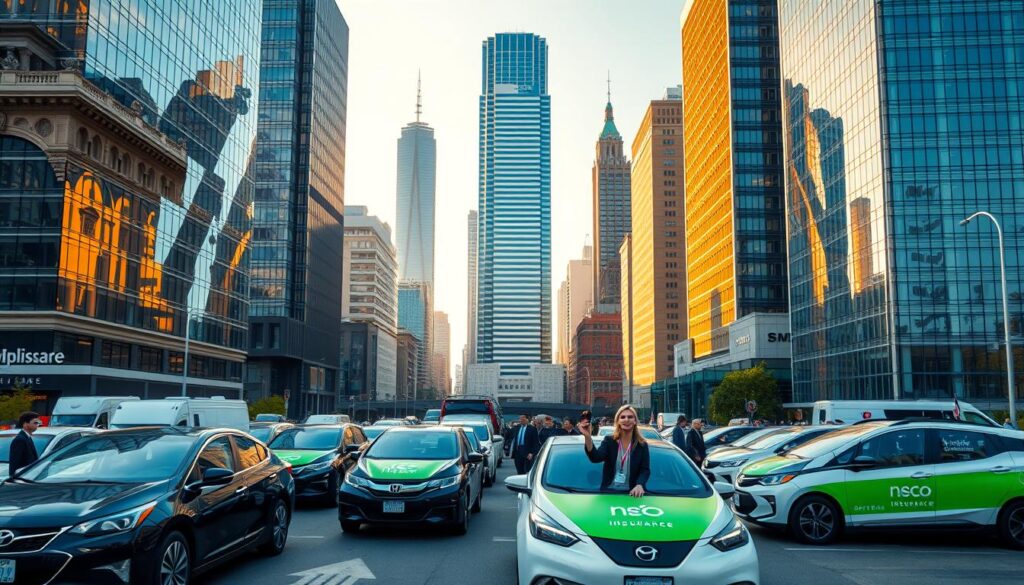
Start your search with a short roster of carriers known for strong EV savings, then compare quotes for your exact make and year.
Standouts you should check first
Travelers, Nationwide, and The Hartford lead the list for notable savings on many plug‑in and hybrid models. If you belong to AARP, include The Hartford some perks require membership.
Also consider these providers
USAA, Progressive, Liberty Mutual, and Geico often support electric car owners with competitive programs. Liberty Mutual, in particular, can add sizable anti‑theft credits sometimes up to 35% for qualifying security systems.
State and model eligibility matters
Not all companies treat hybrids and EVs the same. Ask each provider whether your make, model, and year appear on their eligible list. If a carrier can’t verify coverage or program availability in your state, move on to the next company.
- Start with Travelers, Nationwide, and The Hartford, then get at least three quotes.
- Ask for a line‑item quote showing EV, anti‑theft, and telematics credits.
- Compare base rates as well as discounts big credits don’t always mean the lowest overall rates.
- Re‑quote annually to find best offers as new companies and programs appear.
How to qualify and verify your discount with your provider
Start by confirming that your make, model, and year appear on an insurer’s approved list for eligible vehicles. This is the core requirement for most rate credits in participating states.
Confirm your vehicle is on the insurer’s eligible EV/hybrid list
Ask your insurance provider to check their approved roster. Request a VIN‑level quote so the carrier verifies trim and factory equipment that matter for credits.
Check participating states and program rules before you buy
Many programs vary by geography. Ask whether your state participates and whether the offer applies to hybrids as well as fully electric cars.
Ask about stacking: solar charging, paperless billing, and more
Clarify which programs you can combine. Home solar charging, low‑mileage tracking, paperless billing, and automatic payments often stack to cut your premium.
"If you qualify, credits should appear automatically; if they don't, call and request a policy review."
- Get a written breakdown on your car insurance declarations page.
- Keep proof of qualifying gear and behavior (solar install docs, telematics enrollment).
- Re‑quote with the VIN before purchase and recheck rules after a move or at renewal.
Higher repair bills for electric cars help explain why some owners see steeper premiums. Battery packs and EV-specific components cost more to replace than many gas-car parts. That raises claims payouts and affects insurer rates.
Battery and repair costs that influence your policy rates
Batteries, wiring, and specialized bodywork lift the average repair check. When parts are rare or labor is specialized, insurers price that risk into your policy.
Driving history, vehicle price, and coverage levels still matter
Your driving record, age, and the car’s replacement value remain key rate drivers. A higher-priced electric car typically costs more to insure than an economy model.
- Expect higher insurance premiums when battery and parts costs exceed comparable gas cars.
- Rates reflect your profile: clean records pay less than drivers with tickets or claims.
- Coverage choices matter: lower deductibles raise your premium; collision and comprehensive add costs but protect newer cars.
- Stack every qualifying credit you can and consider raising deductibles if your emergency fund allows.
Ask your agent for side-by-side quotes by trim and safety package. Re-shop at renewal as repair networks expand and parts get cheaper. For new drivers or budget options, compare targeted offers like cheap auto insurance for new drivers to find the best fit.
Stack and combine: discounts beyond EV‑specific savings
You’ll often save the most when you combine auto credits with household policies and loyalty programs. Start by bundling your auto with homeowners or renters coverage to unlock multi‑policy savings that often rival EV‑specific offers.
Ask your insurer about good driver, new car, and multi‑car programs. These standard programs apply to most cars and stack with factory anti‑theft credits if you submit documentation.
Enroll in usage‑based programs to reward safer driving. Telematics can lower your rate over time as your driving score improves.
To save money quickly, request a quote that shows the effect of raising deductibles. Compare the premium drop against the out‑of‑pocket risk you can handle.
- Bundle auto with homeowners or renters to maximize multi‑policy savings.
- Confirm good driver and new car credits and check multi‑car pricing when insuring more than one car.
- Keep policies with the same insurer where possible to simplify billing and boost consolidation perks.
Review coverage annually. When your car depreciates or your credit improves, a fresh quote may lower your payments. Small changes add up ask about affinity pricing from alumni groups or employers and recheck add‑ons like rental reimbursement.
Also, if you want a quick comparison of models that may affect certain credits, see a guide to the cheapest options here.
Find the best quotes and programs in the United States
Start by gathering ZIP‑based quotes so you can spot which companies offer the best EV‑friendly packages. Quick‑quote tools show local rates and reveal whether national or regional providers give the best coverage and rates where you live.
Compare multiple quotes start with your ZIP code
Enter your ZIP code into at least three quote tools and collect comparable offers. Ask for itemized quotes that list limits, deductibles, and optional add‑ons.
Compare base rates and the way each provider treats battery and charger claims. Use the line‑item view to make an apples‑to‑apples comparison.
Leverage independent agents for unbiased, EV‑savvy guidance
Independent agents shop multiple companies at once. They can surface lesser‑known programs and help you negotiate better rates with competing providers.
Use a broker to align programs low‑mileage, telematics, and anti‑theft so your habits translate into lower premiums.
Request EV‑specific coverages: battery, charging, and roadside
Ask each provider for explicit coverage of battery failures, charger damage, and specialized roadside towing. Confirm how rental car or loaner coverage works during long repairs.
- Collect quotes from national and regional companies to spot local value.
- Make sure proposals confirm handling of charger and battery claims.
- Re‑quote at each renewal new programs appear often as EV adoption grows.
For extra help comparing low‑cost options for older drivers and members, check guidance from trusted sources like AARP’s guide to saving on auto.
Gather VIN‑level quotes from multiple companies to spot the strongest savings and the clearest coverage terms. Request itemized quotes from at least three insurers start with Travelers, Nationwide, and The Hartford, then check USAA, Progressive, Liberty Mutual, or Geico.
Ask each company to list credits for your electric or hybrid car, anti‑theft tech, telematics, and bundling. Confirm state eligibility and how battery or charger claims are handled.
If premiums look high, raise deductibles sensibly, bundle with homeowners or renters, or enroll in usage programs to save money. Use an independent agent to find best offers and re‑shop yearly.
For more on the policy perks and sustainability savings, see green car insurance benefits.
🚗 Explore More Auto Insurance Guides
View All Auto Articles → Find the Best Auto Insurance for Tesla Drivers
Use Our Cheap Auto Insurance Comparison Tool

Car Insurance Comparison Sites: Compare Quotes & Save
Compare Motor Insurance Quotes 2026: Get the Best Deals

UK Car Insurance Comparison for Students - Cheap Quotes

Find Best Auto Cover: Top Picks and Reviews
Go up
Leave a Reply