

Compare EV Insurance Costs - Save on Your Policy
Surprising fact: recent national data show annual premiums nearly match $1,607 for electric cars and $1,606 for conventional cars. That parity changes the way you shop for coverage.
You’ll get a clear, apples-to-apples view so you can see where your car insurance dollars go further. We use model-level data and real company averages to make this practical for you.
State Farm, GEICO, and Nationwide rank among the lowest average premiums in the dataset. That helps you target carriers first and save time when requesting quotes.
In this guide you’ll learn: which vehicles drive higher premiums, which coverages matter most, and how drivers in your state can align coverage with risk without overpaying.
Table of Contents
- EV vs. Gas: How current insurance costs stack up in the United States
- EV insurance cost comparison: model-by-model matchups
- Tesla vs. non‑Tesla EVs: premiums, repairs, and claim costs
- Which insurance companies are cheaper for EVs?
- Coverage A vs. Coverage B: what you need for an electric vehicle
- Factors that raise or lower EV insurance rates
- By-the-numbers comparisons: average costs you can expect
- Savings playbook: how to lower your EV auto insurance premium
- Total cost of ownership: insurance trade‑offs vs. fuel, maintenance, and tax credits
- Your next step to better rates: compare quotes and lock in the right coverage
EV vs. Gas: How current insurance costs stack up in the United States
Recent figures show average annual premiums for electric vehicles and gas cars are essentially tied: about $1,607 for electric and $1,606 for gasoline models. That parity changes how you set expectations when you shop for car insurance.
Two years ago EVs averaged roughly 15% higher premiums. Today the gap has closed because more data has reached companies and repair markets have matured. Still, many plug-in models run 3%–12% pricier than their gas twins.
- Repairs on electric models tend to cost more per claim about $1,030 extra and take longer (15.6 vs. 12.7 days).
- Claim frequency for evs has been about 17% higher, which nudges rates up in some states.
- Model-level winners exist: the Ford Mustang Mach‑E insured about 18% cheaper than the Mustang.
Bottom line: averages are close, but your outcome will depend on model, driving history, local repair networks, and the companies you quote. Use model-level data to pick the best policy for your situation.
EV insurance cost comparison: model-by-model matchups
Model-level premiums reveal which cars raise your annual bill and which ones save you money.
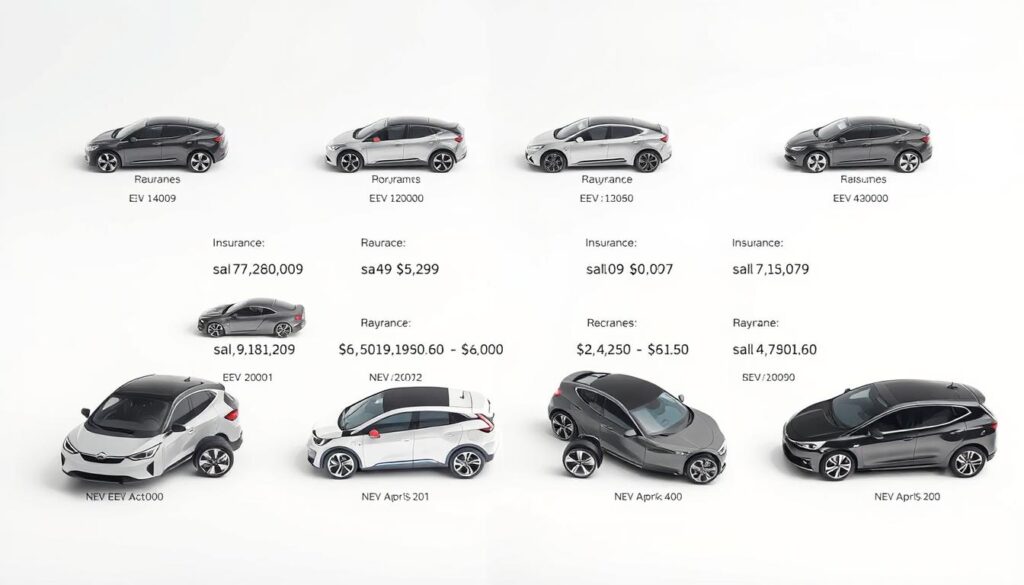
The priciest models today include the tesla model S at about $3,365, the Porsche Taycan near $3,093, and the tesla model X around $2,915.
Other Tesla averages fall lower: Model Y roughly $2,189 and Model 3 near $2,086. These figures help you spot expensive insure candidates before you shop.
More affordable choices often include MINI Electric (~$1,389), Chevy Bolt (~$1,571), VW ID.4 (~$1,631), and Nissan Leaf. Use these models as benchmarks when you request quotes.
"A Ford Mustang Mach‑E typically costs about 18% less to insure than the gas Mustang."
Parts prices and collision repair complexity drive many of these differences. Two similar vehicles can hit different rates with the same companies.
- Get multiple quotes and compare model-level data.
- Try higher deductibles, bundling, or telematics to lower premiums.
When you dig into claims data, Tesla vehicles show higher repair bills and longer shop times than many rivals.
Several factors push tesla model premiums upward. Aluminum body panels need special tools and welds. Advanced driver assistance sensors and cameras add thousands to collision repair estimates.
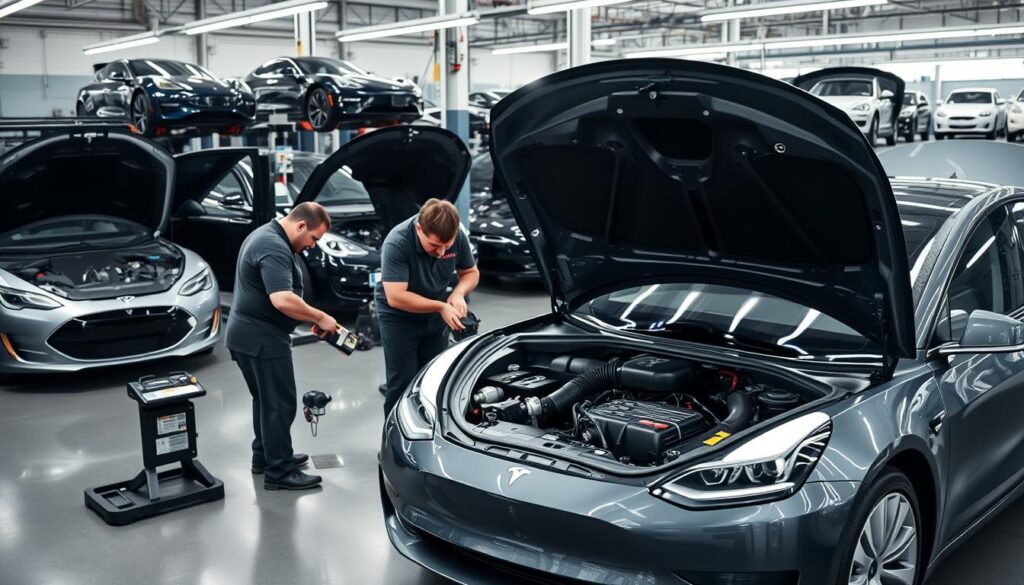
Proprietary parts and fewer certified shops mean longer waits and higher labor charges. The IIHS found higher claim frequency and severity for some Tesla models, and one analysis cited battery replacement near $16,000.
Why repairs and parts matter to your rates
Insurers expect larger payouts when parts are costly or scarce. That expectation feeds into your premium and how an insurer prices similar vehicles.
- Aluminum panels: require specialist work and raise repair invoices.
- Sensors & calibration: add diagnostic time and extra charges.
- Proprietary parts: limit aftermarket options and slow turnaround.
Quick reference: Tesla vs. non‑Tesla claim drivers
| Factor | Tesla | Non‑Tesla EV | Impact on your premium |
|---|---|---|---|
| Body panels | Aluminum, specialist repair | Steel or mixed, common shops | Higher for Tesla |
| Sensor/calibration | Frequent, costly calibration | Less complex systems | Raises claim totals |
| Parts availability | Proprietary parts, limited supply | Broader aftermarket options | Higher loss severity for Tesla |
Shop multiple carriers and consider telematics or higher deductibles to help lower your car insurance while keeping coverage that fits your vehicle and driving habits.
Which insurance companies are cheaper for EVs?
If you want a quick shortlist, three carriers routinely show the lowest average premiums for plug-in models in our sample.
State Farm posts the lowest sample average at about $1,481, followed by GEICO near $1,501 and Nationwide around $1,671. Use those names to prioritize your quote list.
How local ZIP, model, and coverage change what you pay
Rates shift sharply by ZIP code and vehicle. A carrier with a low national average might be higher in your state or for your specific model.
Getting accurate quotes that match your profile
Request multiple quotes and send the same terms to each insurer. Adjust deductibles, list add‑ons, and share current mileage so you compare like for like.
- Check for discounts like bundling, paperless billing, or pay‑in‑full.
- Ask about telematics and EV‑friendly coverages (charging gear, green discounts).
- Watch how credit and your driving record affect tiered pricing across companies.
Quick checklist: same coverage levels, same deductibles, accurate VIN, and recent driving history before you hit submit for quotes.
Coverage A vs. Coverage B: what you need for an electric vehicle
Choosing the right mix of liability and physical damage coverages matters more for plugged‑in cars than many drivers expect.
Start with liability that matches your exposure. A common full profile is 100/300/100 for bodily injury and property damage. Those limits protect your assets if you cause a serious crash.
Liability limits and real risk
State minimums often fall short of real repair and replacement bills. If you carry high-value vehicles, raise limits for stronger protection against large injury claims.
Collision and comprehensive for high-value parts
Collision and comprehensive matter because battery, sensor, and glass repairs can be costly. Consider a $500–$1,000 deductible and weigh premium savings against out‑of‑pocket risk for battery work and ADAS recalibration.
Endorsements and EV‑specific add‑ons
Look for wall charger coverage, electronic key replacement, and cyber or identity protections. Ask about OEM parts or ADAS scanning terms so repairs meet manufacturer standards.
- Match liability to your assets and driving area.
- Keep collision/comprehensive if you want battery and sensor protection.
- Consider endorsements for charging gear and key replacement.
For a quick next step, review your full coverage options at full coverage options and confirm your policy terms cover battery and modern repair procedures.
Factors that raise or lower EV insurance rates
A few clear variables explain why similar models can end up with very different premiums. Insurers model risk using vehicle value, repair complexity, and your personal profile. Small changes in any of these can push annual bills up or down.
Vehicle value, ADAS, and repair times
High-value vehicles and advanced driver assistance systems (ADAS) raise expected claim payouts. Parts and calibration add labor and parts fees.
Average repair time for plugged-in models runs about 15.6 days versus 12.7 for similar gas cars. That longer turnaround can add rental and shop costs.
| Factor | Typical effect | Why it matters |
|---|---|---|
| Vehicle value | Raises base premium | Higher replacement and repair payouts |
| ADAS & sensors | Up to significant surcharge | Calibration and specialized parts increase claims |
| Repair time | Higher claim severity | More rental days and shop labor |
Personal factors: credit, age, claims, miles, and state rules
Your driving record and recent claims shape risk tiers. A clean record keeps you in better pricing bands.
Credit may affect rates in many states, but some states limit or ban its use. Check local rules so you know how much weight your credit gets.
Lower mileage, good‑driver programs, and anti‑theft devices often earn discounts. Small behavior changes can offset upward pressure from vehicle factors.
For more on policy details and how carriers treat plugged‑in models, see our guide to insuring an electric vehicle.
By-the-numbers comparisons: average costs you can expect
The data below puts realistic premium ranges into one place so you can benchmark your next quote.
Across 14 models, annual premiums fall roughly between about $1,400 and just under $3,400. The overall mean sits near $1,607, which gives you a quick baseline to compare against your quote.
Flagship models sit at the high end: the Tesla Model S averages about $3,365 and the Porsche Taycan near $3,093. At the lower end, the MINI Electric is around $1,389, showing where value entries help shrink your annual bill.
Green vs. gas: where nameplates differ
Most electric nameplates trend 3%–12% higher than their gas twins, driven by parts prices and repair complexity. A notable exception is the Mach‑E, which typically costs about 18% less than the Mustang.
- Why rates move: battery, sensor, and calibration work raise claim totals even for moderate collision damage.
- Replacement parts: limited supply or proprietary components lengthen repairs and increase payouts.
- Use the range: treat $1,400–$3,400 as your sanity check if a quote falls well outside, shop more.
"Insurers weigh recent claim data heavily; that can shift your renewal numbers more than vehicle age alone."
For a side-by-side quote run, start your search with a focused list and then verify with a dedicated budget auto insurance comparison at budget auto insurance comparison.
A few smart moves like sequencing quotes and stacking discounts deliver noticeable savings.
Start by getting multiple quotes from different companies and send the same coverage details to each. Time your shopping around renewals to avoid cancellation fees and re‑underwriting delays.
Discounts and stacking
Look for bundling, safe‑driver, good‑student, paperless, and green vehicle credits. Ask which discounts stack and which are mutually exclusive.
Telematics and low‑mileage options
Consider usage‑based or pay‑per‑mile programs if you drive less. Telematics can reward safe driving and lower your rates over time.
- Right‑size coverage: raise deductibles where safe and drop unneeded add‑ons.
- Fix small factors: update parking location, mileage, and anti‑theft details.
- Negotiate and requote: use a better offer to prompt a match from your current insurer.
For new drivers seeking tailored savings, check targeted guidance at cheap auto insurance for new drivers.
Total cost of ownership: insurance trade‑offs vs. fuel, maintenance, and tax credits
A short ownership audit fuel, maintenance, incentives, and repair risk lets you compare real lifetime spending.
You’ll likely save on fuel and routine service. Studies often show about $330 less per year on maintenance for plug‑in models versus gas cars.
That saving can offset a slightly higher premium over several years. But battery, sensors, and high‑tech parts can raise repair bills and shop times, which feeds into long‑term premiums.
Federal tax credits up to $7,500 can materially lower your net purchase price. Many states and utilities also add rebates or tax breaks.
Check model eligibility and your state rules so you capture credits correctly at tax time. For a broader total‑ownership look, see this total cost guide.
To project your net spend, add fuel and maintenance savings, subtract incentives, and then include likely replacement and calibration expenses for battery and ADAS work. That simple framework helps you weigh premiums against real savings especially for higher‑end models like a tesla model where repairs and parts can shift the balance.
Your next step to better rates: compare quotes and lock in the right coverage
Focus your shopping: pick a few companies that price vehicles well in your state and request like‑for‑like quotes so you can see which policy fits your driving record and budget.
Gather VIN, trim, mileage, and the exact terms you want. Ask about telematics, green‑vehicle discounts, and pay‑per‑mile options for low‑mileage drivers.
Confirm endorsements for battery, glass, and rental coverage. Also check repair networks and OEM parts policies so repairs finish fast and right.
Compare total annual and monthly figures, then lock in the policy that balances price and protection. Set a reminder to requote at renewal or after major life changes to keep your car insurance competitive.
🚗 Explore More Auto Insurance Guides
View All Auto Articles → Best Insurance for Hybrid and EV Owners in US
Lower Your Premiums with Green Vehicle Insurance Discounts
Find the Best Auto Insurance for Tesla Drivers

Use Our Cheap Auto Insurance Comparison Tool

Car Insurance Comparison Sites: Compare Quotes & Save

Compare Motor Insurance Quotes 2026: Get the Best Deals
Go up
Leave a Reply