
Compare and find the best car insurance deals online
51% of customers could save £517.83 by comparing quotes a striking figure that shows how much you might keep in your pocket this year.
When you compare multiple quotes side by side, you spot which insurer, benefits and excesses match your needs at the sharpest price.
You can search the market in minutes, checking policy features and optional add-ons so your car cover reflects how and where you drive.
Access to up to 160 UK providers from AXA and Tesco Insurance to Admiral, AA, RAC and Churchill gives you a broader choice than visiting one brand at a time.
The average car insurance cost in the UK is about £757 per year, but your costs will depend on vehicle, location and how you drive.
Using an FCA-regulated comparison service powered by Confused.com means clear information on cover levels, excesses and terms so you can filter by what matters.
Table of Contents
- Your guide to finding value: how online comparisons work today
- Best car insurance deals online: what to expect right now
- Comprehensive vs third party, fire and theft vs third party only
- Comparison sites vs going direct: which route suits you?
- Aviva vs Admiral: how leading brands stack up
- Add-ons that change the game on price and protection
- Young, new and student drivers: getting cover without overspending
- Electric and hybrid cars: what your policy should include
- Multi-car and multi-cover: stacking discounts at home
- What really affects your quote: the risk factors insurers weigh
- The true cost of cover: premium, excesses and IPT
- Step-by-step: getting a car insurance quote online
- Making a claim: what to do straight after an incident
- Renewal tactics: the best time to switch for a sharper price
- Policy terms that matter: exclusions, limits and approved repairers
- Your next steps to secure the right deal today
Your guide to finding value: how online comparisons work today
Filling one form can unlock many quotes, revealing which policies match your needs and budget.
What you’ll be asked: drivers, vehicles, and cover level details
You provide basic information about each driver and the vehicle so insurers can price risk fairly.
- Names, occupations and any recent claims or convictions.
- Your postcode and job title to refine risk assessment.
- Vehicle registration, annual mileage and modifications that affect eligibility.
- Choice of level of cover: comprehensive, third party, fire and theft, or third party only.
- Add named drivers if relevant, and always describe usage honestly to avoid fronting.
Why comparing up to 160 UK providers matters
Results from a wide panel show the real spread of price and features, so you can benchmark a direct offer and spot genuine value.
"Comparison checks from many brands reveal which policy features and excesses match your priorities."
| Cover level | Typical inclusions | Price impact |
|---|---|---|
| Comprehensive | Own damage, third party, windscreen, courtesy car | Higher, but broader protection |
| Third party, fire & theft | Third party plus fire and theft cover | Mid-range; saves vs full comprehensive |
| Third party only | Legal minimum; third party liability | Lowest premium; limited protection |
Best car insurance deals online: what to expect right now
A quick market check reveals where your renewal sits versus similar drivers in your area. Right now the market is at a two-year low, so comparing makes practical sense.
Typical premiums sit around £757 a year, but regional risk and age change that number a lot. Inner London averages roughly £1,185 while northern England sits near £677.
Younger drivers often face higher quotes. A 21-year-old averages about £2,093 nearly three times a typical 55-year-old. Safe driving and a clean licence usually lower your premium, while recent claims or convictions push it up.
Where the up to £517 savings come from
Saving up to £517 comes from comparing a broad market and finding insurers whose pricing suits your profile this year. Small changes cover level, voluntary excess, or mileage can move the quote significantly.
| Factor | Typical effect | Example value | Action to reduce cost |
|---|---|---|---|
| Average premium | Benchmark for planning | £757 per year | Compare widely; adjust cover |
| Age and experience | Higher risk raises price | 21-year-old: £2,093 | Telematics or named drivers |
| Postcode | Local risk changes cost | Inner London £1,185 / North £677 | Secure parking; review postcode |
| Claims history | Claims or points increase quote | Recent claim = higher premium | Protect no-claims; avoid small claims |
For a quick next step, use a trusted comparison to compare low-cost options and see personalised quotes that reflect your vehicle, cover needs and driving history.
Comprehensive vs third party, fire and theft vs third party only
Before deciding, it helps to see how comprehensive, TPFT and third party only differ in real claims.
Comprehensive cover protects your vehicle and passengers regardless of fault. It usually pays for your own repairs after an accident and often includes fire and theft, windscreen and a courtesy car depending on the policy.
When comprehensive car insurance makes sense
Choose full cover for newer or higher-value vehicles where repair costs would be large. Check whether personal belongings and windscreen are included.
TPFT: a middle ground
Third party, fire and theft covers damage to others plus loss from fire or theft of your vehicle. It does not pay for your own damage after an accident you cause.
Third party only: the legal minimum
Third party only meets legal obligations by covering others’ injury and property. It won’t cover your vehicle if it is damaged, stolen or catches fire.
"In a minor accident where you are at fault, only comprehensive typically pays to repair your own damage."
| Scenario | Comprehensive | TPFT | Third party only |
|---|---|---|---|
| At-fault accident | Repairs your vehicle | No own-vehicle repairs | No cover for your damage |
| Fire | Covered | Covered | Not covered |
| Theft | Covered | Covered | Not covered |
If you want to see cheaper options that still suit your needs, compare low premium options before you choose a policy.
Comparison sites vs going direct: which route suits you?
Choosing between a comparison site and a direct provider comes down to speed, scope and the extra perks each route may offer.
Compare fast and widely: platforms such as Uswitch, powered by Confused.com (FCA authorised), can show up to 160 insurers in about five minutes. That gives you quick benchmarking of market prices and cover levels.
- One form unlocks many quotes, saving you the time of visiting each insurer.
- Side-by-side results help you check excesses, optional extras and policy limits.
- Compare what includes breakdown as a bundle versus what is optional to avoid overlap.
When direct adds value: some providers offer exclusive benefits, loyalty rewards or service tiers not shown on panels. Direct contact can also clarify complex needs for modified vehicles or unusual usage.
"A hybrid approach usually works best: benchmark widely, then see if a favoured direct brand can match price and improve the terms and service."
Use comparison tools to gather information, then call a direct insurer to confirm final terms and any unique features before you buy a policy or change your cover.
Aviva vs Admiral: how leading brands stack up
The real difference between big-name policies shows up in small but crucial terms like repair networks and foreign use limits.
Aviva keeps cover simple: comprehensive or TPFT, a 5‑Star Defaqto rating and a TrustScore of 4.5/5 from 1,660 reviews. Its uninsured driver promise refunds your excess and protects your no‑claims discount when you are not at fault.
Admiral offers multiple comprehensive tiers with Defaqto five‑star levels, a 24/7 emergency helpline and a user app to manage your policy. Its promise to repay excesses after an uninsured incident is clear, provided you have the other driver’s details.
Key contrasts at a glance
| Feature | Aviva | Admiral |
|---|---|---|
| Cover options | Comprehensive or TPFT | Multiple comprehensive tiers |
| Uninsured driver promise | Refund excess + protect NCD | Refund excess if details available |
| Repair network & courtesy car | Approved repairer network; non-approved excess; no courtesy car with non-approved | Approved networks; hire vehicle options with add-on |
| Extras & tech | Foreign use up to 90/180 days; clear DOC terms for 25+ | App management; LittleBox telematics; MultiCar bundles |
Decide by which terms matter to you: European travel, Driving Other Cars rules, repair guarantees or 24/7 support. Read the policy wording before you commit so the cover and claim handling match your needs on the road.
Add-ons that change the game on price and protection
Adding targeted extras to your policy can cut the risk of big bills and keep you moving after a breakdown. Add-ons cost extra and vary by insurer, so pick what matters to you.
Breakdown cover levels: roadside to European recovery
Breakdown cover comes in clear levels: basic roadside assistance, national recovery and full European recovery for cross-border trips. Choosing the right level can save you time and avoid large out-of-pocket expenses if your car fails far from home.
Windscreen and glass cover: chips to full replacement
Windscreen cover typically pays for chip repairs and can include full replacement. Many policies offer a lower excess for glass claims, which keeps small repairs simple and cheaper.
Motor legal protection: recovering uninsured losses
Motor legal protection helps recover uninsured losses such as excess, travel costs or loss of earnings after a non-fault incident. It also assists with a claim for personal injury where relevant.
Hire vehicle and courtesy car nuances
Hire vehicle cover or courtesy car terms differ widely. Some providers only supply a courtesy car when you use approved repairers. Admiral’s options include unlimited UK roadside recoveries, personal injury cover, hire vehicle cover and motor legal protection that you can add during a quote.
Tip: Review territorial limits, claim caps and exclusions so the total with add-ons truly suits your needs rather than assuming standard cover will do.
Young, new and student drivers: getting cover without overspending
If you’re a young or new driver, premiums are higher because insurers see more risk. That does not mean you have no options.
Telematics (black box) policies can reward steady, safe driving. Drive well and your price can fall as your insurer tracks behaviour over months.
Black box policies and safer driving discounts
Choose a telematics policy if you want behavioural discounts. Many students and new drivers find this reduces initial costs while building years of good history.
"Telematics turns safer driving into savings but only if you drive sensibly and log realistic miles."
Why limited mileage and named drivers affect costs
Limiting annual mileage often lowers premiums. Be honest with estimates to avoid a declined claim later.
Adding an experienced named driver can cut your price, provided they genuinely use the vehicle. Never front it risks invalidating your policy.
Quick factors to check
- Choose modest insurance group models to keep premiums down.
- Protect no-claims years where possible to preserve future discounts.
- Secure parking and no modifications reduce risk indicators and costs.
| Action | Effect on price | Notes |
|---|---|---|
| Telematics policy | Often lowers premium over time | Requires honest driving; rewards safe habits |
| Limited mileage | Reduces costs if accurate | Underestimating can cause claim refusal |
| Named experienced driver | Can cut premium | Must reflect real usage; avoid fronting |
Electric and hybrid cars: what your policy should include
Electric and hybrid models need specific cover that goes beyond standard vehicle protection. Check your policy for explicit wording on batteries, charging cables and wallbox chargers.
Cover for batteries, charging cables and wallboxes
You’ll want cover for EV-specific components battery packs are costly, and home wallboxes or cables can be lost or damaged. Some providers, such as Aviva, list accessories and wallboxes in their wording.
Running out of charge: recovery options to know
Find out whether your breakdown cover will tow you to a working charger or back home. Aviva’s comprehensive EV cover can arrange RAC assistance if you run out of charge, subject to eligibility and distance rules.
- Confirm if cables are covered while in use and for accidental damage.
- Check hybrid exclusions if out-of-charge help is limited to fully electric models.
- Consider specialist recovery that uses flatbeds and safe battery handling.
| Feature | Typical provision | What to check |
|---|---|---|
| Battery pack | Repair or replacement cover | Limits, depreciation and excess |
| Charging cables & wallbox | Accessory cover included (some policies) | Damage in use, theft and installation proof |
| Out-of-charge recovery | Tow to charger or home (RAC with Aviva) | Distance limits; hybrids may be excluded |
| Fire & thermal events | Investigation and storage protocols | Claim handling and specialist salvage |
Tip: Keep installation receipts and notify your insurer of any updates so you have the right cover and accurate information on file.
Multi-car and multi-cover: stacking discounts at home
When several drivers live under one roof, grouping vehicles can cut paperwork and often reduce the overall outlay. You may find a single renewal date and simpler admin make running policies easier for the household.
When multi-car policies make financial sense
Multi-car options often apply a discount to each additional vehicle. Aviva, for example, offers a 10% reduction when you add cars or vans, though optional extras may not be discounted. Admiral’s MultiCar and MultiCover let you combine car and home policies to align renewals and simplify cover.
- You usually save when more than one vehicle is insured on the same policy, but check how optional extras are treated.
- Multi-car suits households where drivers have similar mileage and risk profiles; a single high-risk vehicle can cut some gains.
- Confirm how No Claims are tracked per vehicle and whether protection applies to each policy entry.
- Check mid-term changes, refunds and how adding or removing cars affects your renewal price.
Compare multi-car quotes with separate policies to make sure the discount genuinely beats independent cover. That way you give yourself clear levels of protection and the best fit for your needs this year.
What really affects your quote: the risk factors insurers weigh
Insurers weigh many small signals to set your premium, and several practical items tend to drive the largest swings in price.
Age, driving history and years without claims
Your age and how long you've held a licence are core inputs. More years without a claim usually reduces cost.
Recent claims or convictions raise your rating for several years and push up premiums and excesses.
Postcode, parking and daily mileage
Your postcode captures local theft and collision rates. Off-street parking often lowers risk and price.
Commuting and higher annual mileage increase exposure and therefore raise the premium.
Job title and how it signals risk
Certain occupations imply more driving or variable locations and so carry higher perceived risk.
Tell the truth: mis‑stating your job or mileage can lead to a declined claim later.
Vehicle group, modifications and usage
Higher insurance groups and costly repair parts increase base premium. Modifications that boost performance or make the vehicle more attractive to thieves also add cost.
- Tip: Review how long incidents stay on record and factor IPT at 12% into your final cost planning.
| Factor | How it affects price | What you can do |
|---|---|---|
| Age & years licensed | Fewer years = higher risk rating | Build years of no-claims; consider telematics |
| Postcode & parking | High-theft or urban areas raise premiums | Secure parking; move vehicle or add security |
| Mileage & usage | More miles = greater exposure | Accurate mileage; limit commute where possible |
| Vehicle group & mods | Higher group or mods increase base premium | Choose lower-risk models; declare mods |
For a deeper look at rating variables see a short guide on what affects premiums, or if you want fresh quotes, try a quick check for cheap quotes.
Look beyond the sticker price to see how excesses and taxes change what you actually pay.
Your premium is only part of the total cost. Insurers add Insurance Premium Tax at 12% to the premium, and most policies include both compulsory and voluntary excesses. A higher voluntary excess can cut the quoted price, but raises what you must pay if you have an accident.
Balancing voluntary excess with monthly affordability
If you spread payments into monthly instalments, check for added interest or admin fees. Paying annually often reduces overall costs versus paying over months.
Practical checks before you buy:
- Confirm windscreen claims may carry a separate excess and might not affect your No Claims.
- Ask how No Claims protection works and what terms preserve your discount after a single claim.
- Verify courtesy car and repair guarantees cheaper policies can omit these, adding hidden costs if you need a hire vehicle or approved repairs.
- Review mid-term change and cancellation fees, plus any charges for monthly payment plans.
- Keep receipts and photos for valuables and accessories to support any claims and avoid disputes.
"Treat the headline quote as a starting point factor in excesses, IPT and payment charges to see the real outlay."
Before you finalise your policy, make sure the documents list all add-ons and the exact excesses you agreed. That way you won't be surprised by fees in the days after a claim.
Step-by-step: getting a car insurance quote online
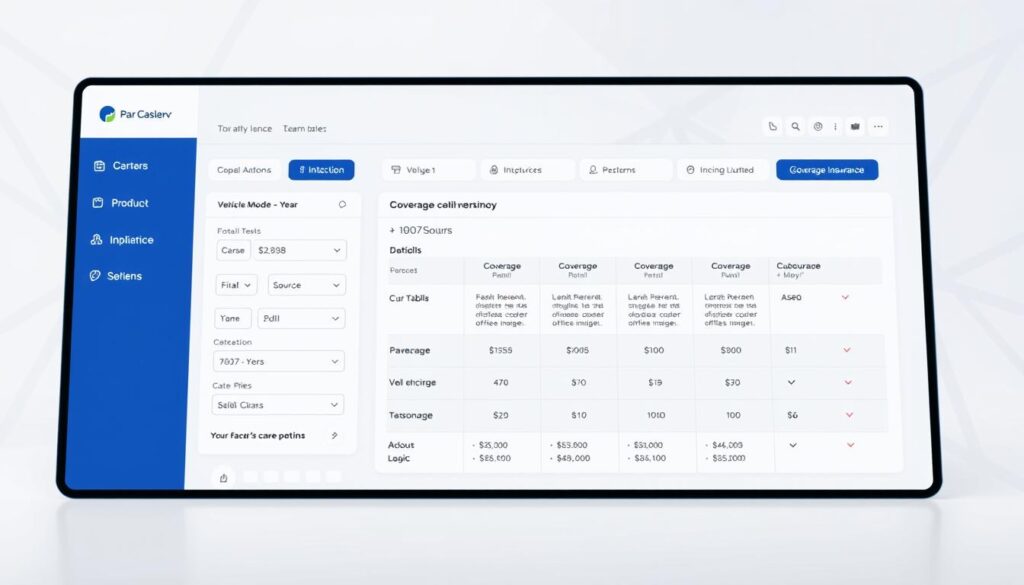
Start by gathering the facts so a rapid, accurate quote reflects your exact circumstances.
Information checklist to prepare in minutes
- Personal details: name, date of birth and address history, plus licence information and a preferred start date (you can set this up to 60 days ahead).
- Vehicle details: registration, annual mileage and any modifications listed to ensure an accurate quote.
- Other drivers: add named drivers only if they genuinely use the vehicle and enter their histories truthfully.
- Cover choices: decide the level of cover and any add-ons breakdown, windscreen or motor legal before you compare.
- Excess and job title: check how voluntary excess alters price and enter your job title exactly as it appears on forms.
Avoiding errors: accuracy that prevents claim disputes
Check all entries twice. Minor mistakes in mileage, address or licence class can lead to problems if you later need to make claim.
Save your quote so you can tweak options without retyping everything. If any details change address, mileage or drivers update your policy promptly to stay fully covered.
For help with personal cover options, see personal insurance and compare what each policy lists before you buy.
Making a claim: what to do straight after an incident
After an accident, your first priority is safety. Once everyone is safe, gathering clear evidence and notifying your insurer quickly helps protect your cover and speeds up any claim.
Collect details and record the scene. Photograph vehicle positions, damage, road markings and weather. Note the time, location and any road signs that matter.
Collecting details, taking photos and notifying your insurer
Exchange names, registration plates, insurers and contact numbers with the other driver and any witnesses. Keep a written note of what was said.
Notify your insurer as soon as you can even if you do not plan to make a claim immediately. Reporting preserves your policy conditions and avoids disputes later.
When to involve the police and how no-claims can be protected
Call the police if there are injuries, a suspected uninsured driver, or if the other party won’t share details. A police report can support later claims and legal steps.
If your policy includes No Claim Discount protection, check the terms before you proceed. Some policies preserve your discount after one fault claim; others do not.
- Keep receipts for taxis or immediate costs; motor legal cover may recover uninsured losses if you’re not at fault.
- If your vehicle is undriveable, use your breakdown or recovery cover to arrange safe removal.
- Do not admit liability at the scene give factual accounts and let insurers investigate.
- Have your policy number to hand and follow your insurer’s guidance to progress the claim efficiently.
"Report accidents promptly and keep clear evidence it makes claims simpler and helps protect your no‑claims record."
Renewal tactics: the best time to switch for a sharper price
Organising your renewal early gives you room to compare quotes and tweak cover without pressure. Most policies auto‑renew, but automatic renewal can carry a different price to fresh market rates.
Why shopping around roughly 18 days before renewal helps
Start about 18 days before your expiry date. Insurers often release competitive options then, and you gain time to adjust voluntary excess or add‑ons if needed.
Avoid last‑minute searching. Waiting reduces choices and can mean higher costs and fewer cover options.
Check whether your current policy will auto‑renew and compare like‑for‑like offers first. Ask your insurer if they’ll match a quote you’ve found.
| Action | Why it helps | Quick tip |
|---|---|---|
| Compare ~18 days before | More competitive rates released; time to shop | Save multiple quotes to monitor movement |
| Update details | Accurate mileage/address gives realistic quotes | Correct info avoids declined claims |
| Adjust excess/add‑ons | Balance monthly costs against claim costs | Test small excess increases to lower premium |
| Consider telematics or multi‑car | May suit changed circumstances and cut costs | Check eligibility and how data affects price |
Save quotes and set a reminder for next year so you repeat this timing sweet spot. For practical tips on trimming premiums, see a short guide to how to save on premiums.
Policy terms that matter: exclusions, limits and approved repairers
Understanding repair networks and limits often matters more than the headline premium. Your policy wording sets out what is excluded, who can authorise repairs and where cover applies. Read these parts early so you know what to expect if you need to claim.
Using non-approved garages and potential excesses
Approved repairers such as Aviva’s network often guarantee parts for the length of the manufacturer or supplier guarantee. That gives you extra certainty about quality and follow-up work.
Using a non-approved garage can trigger an extra excess and may remove your entitlement to a courtesy car while the vehicle is repaired. Some policies also restrict Driving Other Cars cover to the policyholder with third‑party limits and age rules.
- Read your insurance policy for exclusions on valuables, windscreen and personal injury.
- Check territorial limits if you plan to travel abroad and whether add‑ons extend outside the UK.
- Clarify rules on modifications, business use and ridesharing so you do not lose cover for specific damage.
- Keep photos and receipts for accessories to support valuations after a loss.
"Pre‑approval for repair work can prevent delays and surprise costs confirm this with your insurer before you proceed."
For help choosing a policy that matches your needs, see an affordable full‑coverage option at affordable full‑coverage.
Your next steps to secure the right deal today
Gather key details about drivers, vehicles, cover level and mileage, then start comparing with an FCA‑regulated service powered by Confused.com.
Prepare the information you need so you can get a quick quote and see results from up to 160 providers in about five minutes.
Compare policy features and shortlist those that balance premium, excess and benefits such as windscreen, courtesy cars and motor legal cover.
Check add‑ons that matter for your daily needs, confirm EV elements like batteries and wallboxes, and time your purchase roughly 18 days before renewal.
Save your favourite quote, then ask a familiar brand to match it so you buy with confidence that your car insurance cover suits you on the road.
🚗 Explore More Auto Insurance Guides
View All Auto Articles → Electric Car Insurance Rates in 2026

Affordable Electric Vehicle Insurance for Your EV

Compare EV Insurance Costs - Save on Your Policy

Best Insurance for Hybrid and EV Owners in US
Lower Your Premiums with Green Vehicle Insurance Discounts
Find the Best Auto Insurance for Tesla Drivers
Go up
Leave a Reply