





When Maria opened her small bakery, she kept a jar of spare cookies for neighbors and a notepad for orders. One afternoon a delivery driver slipped on flour by the door. The claim could have cost her reputation and a lot of time.
That moment led Maria to shop for a plan that would protect her company and let her keep baking with confidence. A general liability policy typically covers third‑party injury, property damage to others, and personal or advertising injury.
You’ll learn clear steps to compare plans, realistic price expectations (some low‑risk setups can start near $19/month), and what details to have ready for a fast quote. See market context and trends in SME coverage with this report: SME market outlook.
By the end, you’ll know how to match coverage to your operations and which policy choices help you meet client demands and protect your relationships.
Protect your business with tailored coverage made for U.S. small businesses
Your shop, studio, or office can get a tailored shield that matches how you work and where you operate. General liability coverage can be built around your operations, location, and client needs so you avoid paying for extras you don’t use.
Many owners buy general liability first. You can often set up a policy online in about ten minutes and get a certificate right away to start jobs or meet contract requirements.
- Customize limits and deductibles to fit contracts, leases, or budgets.
- Scale coverage as your team and service area grow across states.
- Address everyday risks like slip‑and‑fall or accidental damage to client property.
- Bundle or add endorsements to fill gaps without overspending.
- Keep simple documentation for bids and client agreements to limit exposures.
With the right plan, you’ll feel confident choosing protection that’s built for businesses like yours and ready to evolve as you grow.
What Business & Liability Insurance covers during everyday operations
Daily operations bring small risks that can turn into costly claims if someone is hurt or a customer’s property is damaged. Understanding what general liability covers helps you act fast and keep trust with clients.
Bodily injury and medical payments
You’re covered for bodily injury to non-employees, such as a visitor slipping on your floor or a delivery vendor tripping at your shop. Policies can include medical payments to handle minor care quickly and preserve goodwill.
Property damage to others
General liability protects against accidental property damage you cause to someone else’s belongings. Examples include scratching a client’s floor during a service call or damaging a customer’s device.
Personal and advertising injury
This cover handles claims like libel, slander, or copyright and trademark disputes tied to your marketing or online posts. It helps manage reputation risk without dragging you into long social media fights.
Legal defense and settlement costs
When a third party sues over a covered event, your policy can pay legal defense and settlement costs. That protection is key to controlling potential legal bills and keeping projects on track.
- Typical product-related claims may be covered depending on terms — important for retail and e-commerce sellers.
- Note what’s excluded: this cover won’t pay for your own property or employee injuries; pair it with other policies to fill gaps.
General liability insurance costs and the factors that impact your price
Costs for general coverage change a lot depending on what you do and where you operate.
Your premium reflects real-world risk factors such as industry, location, team size, and daily operations. A retail shop with foot traffic will see different pricing than a solo consultant who works offsite.
Typical cost drivers: industry, location, team size, and operations
Where you are matters local claims trends and regulations affect rates. How many employees you have and whether you sell products or visit client sites also move the needle.
Policy limits, deductibles, and contract requirements
Higher limits raise the premium but meet stricter contract needs. Choosing a larger deductible can lower monthly expenses, while endorsements like additional insured status add cost.
Low-risk businesses can start around $19/month
Some low-risk businesses may qualify for entry pricing near $19/month. Getting a clear, line-by-line quote online takes minutes and gives immediate documents so you can compare costs and coverage. Clean claims history and safety practices help lower rates over time.
- Quick tip: Compare quotes to match limits and price to your company goals.
Who needs Business & Liability Insurance
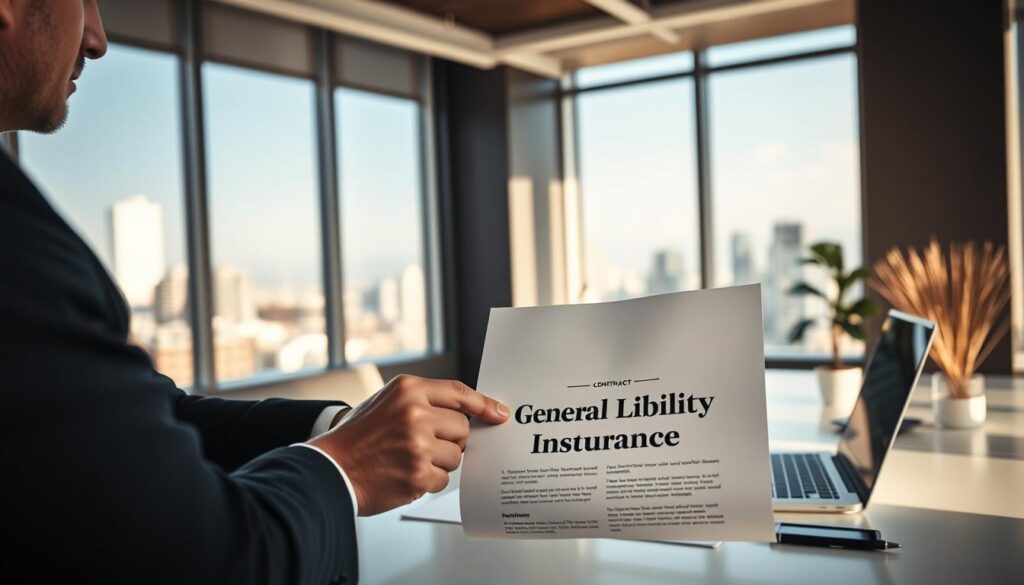
If you work on other people's sites or welcome visitors, one mishap can become a costly problem.
General liability often serves as the baseline protection for many small operations. It covers third‑party injury and accidental damage to customer property in many cases. That makes it useful across trades and customer‑facing roles.
Contractors and construction pros bidding on jobs
- If you bid on construction or specialty trade jobs, you’ll often need proof of coverage to qualify for contracts and permits.
Retail stores, offices, and places visited by customers
- Brick‑and‑mortar shops and offices use it for slip‑and‑fall risks and accidental damage to visitor property.
E‑commerce, fitness professionals, and cleaning services
- Online sellers can get protection for common third‑party claims and, in some policies, product exposures.
- Fitness pros often need documented coverage to work in gyms or meet certification and facility rules.
- Janitorial teams face daily exposure to client property and benefit from a consistent shield on each visit.
Consultants, IT contractors, real estate, and more
- Consultants, marketers, agents, and IT contractors use coverage for client site visits and landlord contract terms.
Tip: Having the right policy and limits helps you win contracts and keep revenue flowing — get a fast what you need and secure a quote quickly.
General liability vs. professional liability: what you’re actually protected from
Deciding which cover to buy starts with one simple question: are you protecting people and property, or your professional advice?
General liability focuses on third‑party risks like bodily injury, property damage to others, and personal or advertising injury. It helps when a customer slips or you accidentally damage a client’s item.
Professional liability, often called errors & omissions, covers claims that your work, advice, or service caused a financial loss. It applies when a client alleges negligence, a missed deadline, or bad guidance.
“Carry the right mix to reduce uncovered gaps many firms keep both to protect people and protect their expertise.”
Quick contrast:
| Risk | General liability | Professional liability |
|---|---|---|
| Typical trigger | Slip, fall, damaged property | Bad advice, errors, missed deliverables |
| Common payout | Medical bills, repair costs, defense | Financial loss reimbursement, legal defense |
| Who needs it | Retail, contractors, shops with on‑site clients | Consultants, designers, trainers, IT pros |
- Many service firms keep both to cover physical risks and professional exposures.
- Read contracts carefully: clients may require one or both types of coverage.
- Professional policies often cover defense costs even for meritless claims, which protects your time and cash flow.
For a clear comparison and to see which fits your needs, review a guide to general vs professional coverage or check providers like Globalsurely to get quotes and details.
Bundle protection with a Business Owner’s Policy (BOP)

When your location, equipment, and payroll matter, a single policy can simplify recovery after a loss. A Business Owner’s Policy (BOP) pairs general liability with commercial property so you protect both people and the things you own.
Combine general liability with commercial property coverage
Coverage typically includes your physical location, contents, equipment, and inventory. That means repair or replacement after property damage can come from one source, and you keep fewer certificates to manage.
Business interruption: help with covered income loss and expenses
Business interruption features can help pay for covered income loss and certain operating expenses after a qualifying event. For example, if a fire damages your office, a BOP can help repair the space and help pay wages so you return to work faster.
- A BOP bundles general liability and property to reduce admin for owners.
- Not every firm needs property cover; standalone general liability may be cheaper for low‑asset setups.
- You can tailor limits and endorsements to meet contract needs and protect employees as you grow.
- Bundling simplifies renewals, certificates, and policy management for busy business owners.
To compare a dedicated BOP option and view common coverages, see a sample Business Owner’s Policy from a top provider: Business Owner’s Policy details.
Round out your insurance coverage for broader risks
A single accident can expose gaps unless you layer the right protections. Adding targeted policies helps you manage risks to people, vehicles, and data that general liability won't cover.
Workers’ compensation for employee injuries and lost wages
Workers compensation is required in most states once you hire staff. It helps pay medical costs and lost wages when an employee is hurt on the job.
Commercial auto for vehicles used on the job
Commercial auto covers crashes and damage for vehicles used in your operations. Personal car policies usually exclude regular business use, so this product fills that gap.
Cyber liability for data breaches, phishing, and ransomware
Cyber liability helps your company respond to malware, phishing, ransomware, and stolen customer data. Costs can include forensics, notification, and recovery work.
- Key point: general liability protects third parties but won’t cover your property or employee injuries.
- Bundle these coverages to reduce the chance a single event disrupts cash flow or operations.
- Consider inland marine or tools/equipment options if you transport goods or tools regularly.
Licenses, permits, and contracts: when coverage is required
Winning bids often starts with one document: a current certificate of coverage. Many local permits, vendor agreements, and client contracts list general requirements you must meet before work begins.
Proof of insurance builds trust and helps you compete for larger jobs. Clients frequently ask for specific limits or endorsements, such as additional insured status, to lower their own risks when hiring your business.
Proof of insurance to win clients and meet regulatory standards
Some states require workers compensation as soon as you hire staff. That rule sits alongside contract clauses that demand general liability or business liability limits for site access or vendor approval.
- Many contracts, licenses, and permits call for proof of general liability before work or opening.
- Clients often specify minimum limits and endorsements to reduce their exposure.
- Being ready to generate certificates 24/7 keeps deals moving and avoids delays.
- Match your policy language to contract terms to avoid last‑minute coverage gaps.
Tip: Verify requirements early so you can budget for premiums and keep documentation current — it helps you scale across states and win more customers.
How to get a business insurance quote online in minutes
Start a fast online quote and see pricing for your setup in about ten minutes. The process is designed to be straightforward so you can move from comparison to coverage without delay.
Tell us about your business, customize limits, and activate coverage
You’ll answer a few short questions about your work, location, and team. That input drives a tailored price that reflects the key factors that shape cost.
- Quick steps: fill basic details, review options, and select limits or deductibles that meet contract needs.
- You can compare coverages side by side and choose a plan that fits your budget and growth plans.
- After checkout the insurance policy is active and your certificate of insurance is available instantly.
- Add endorsements or request extra policies for vehicles, cyber, or other product needs from the same dashboard.
- In some states you may be redirected to partner carriers; the flow stays seamless and admitted products are shown when available.
Get a precise quote now to avoid delays when you bid work or open a new location. Instant documents help you prove coverage to clients or landlords in minutes.
Claims and certificates of insurance made simple

When a claim arrives, speed and clear records decide how quickly you get back to work.
File a claim online any time and upload photos, incident notes, and documents so your carrier can start review fast. You’ll get status updates as the claim progresses, which helps you plan next steps and communicate with clients.
File a claim online and access your COI 24/7
Your certificate of insurance is available 24/7 after purchase. It takes about ten minutes to buy coverage and get a certificate, so you can meet contract or site access rules without delay.
"Fast digital claims and instant COIs reduce admin time so your team can focus on work and service."
- You can submit claims with incident details, photos, and documents so review starts right away.
- Get regular updates and estimated timelines so you can manage repairs, defense, or settlement planning.
- COIs are downloadable any time and you can add additional insureds to meet contract needs.
| Action | How it helps | Time frame | When to use |
|---|---|---|---|
| Online claim filing | Speeds carrier review with evidence | Immediate submission | Third‑party damage, slip‑and‑fall |
| 24/7 COI access | Meets vendor and landlord requests | Available instantly after purchase | Bid responses, site access |
| Upload photos/documents | Reduces investigation time | With initial claim | Property damage, client disputes |
| Policy document downloads | Keep records for audits and contracts | Anytime | Renewals, compliance checks |
Efficient claims handling can help pay covered defense and settlement expenses tied to insured events and reduce out‑of‑pocket expenses for your company. Simple digital tools for claims and policy management save administrative time and help protect client relationships.
Need a certificate now? Get an instant certificate of insurance to share with landlords, vendors, or procurement teams.
Ready to protect your business today get your quote and compare plans
In minutes you can compare quotes and get the documents needed to win jobs and stay compliant.
Start a quick online quote it typically takes about 10 minutes. After purchase you can download your certificate of insurance immediately so permits and vendors don’t delay work.
Bundle options like a BOP often save money and let you add professional liability, property, cyber, workers’ comp, or commercial auto where needed. Many providers offer flexible monthly payments to keep costs steady while you protect your customers and employees.
Take the next step now: get quote options tailored to your industry and location, compare plans side by side, and activate coverage today so you can focus on running your small business with confidence.
Business Insurance FAQs 2026
What does general liability cover during everyday operations?
It protects you from third-party claims for bodily injury, property damage, personal and advertising injury, and pays legal defense and settlements when you’re sued. Typical scenarios include a customer slipping on your premises, accidental damage to a client’s property while you work, or a libel claim related to an ad.
How much does general coverage typically cost for small firms?
Costs vary by industry, location, team size, and operations. Low-risk companies can see plans starting near per month, but higher-risk trades or larger staffs will pay more. Policy limits, deductibles, and contract requirements also affect your premium.
Who should carry this type of protection?
You should consider it if you’re a contractor bidding on jobs, run a retail store or office with visitors, operate online retail, provide fitness or cleaning services, or work as a consultant, IT contractor, or real estate professional. Essentially, if clients, customers, or employees interact with your operations, coverage helps manage risk.
What’s the difference between general coverage and professional errors coverage?
General coverage handles bodily injury, property damage, and advertising harms. Professional errors coverage (often called professional liability) covers claims from mistakes, omissions, or negligent advice tied to the services you provide, like faulty consulting or design work.
What is a Business Owner’s Policy (BOP) and why bundle?
A BOP combines general protection with commercial property coverage and often includes business interruption. Bundling lowers premium costs and simplifies management by covering liability, physical assets, and income loss under one policy.
What other coverages should I consider to fill gaps?
Add workers’ compensation for on-the-job employee injuries, commercial auto for vehicles used for work, and cyber coverage for data breaches, phishing, or ransomware. These reduce out-of-pocket risk for common exposures.
When will clients or regulators require proof of coverage?
You’ll often need to show a certificate of insurance to win contracts, obtain permits, or meet contractual and regulatory standards. Many construction and service contracts require specific limits and named-insured endorsements.
How do I get a quote online quickly?
Most platforms let you enter company details, choose limits and deductibles, and view quotes within minutes. You can customize coverage and activate a policy online once you select a plan that fits your needs.
How do claims and certificates work after I buy a policy?
You can file claims online and track progress through the insurer’s portal. Certificates of insurance (COIs) are typically available 24/7 for download or to send to clients and partners when a contract requires proof.
What factors raise or lower my premium?
Underwriters look at your industry risk, location, revenue, payroll, number of employees, past claims, chosen limits and deductibles, and contract requirements. Improving safety practices and lowering exposure can reduce costs.
Can I get a policy that meets specific contract requirements?
Yes. Insurers can tailor limits, add endorsements, or include additional insureds and waiver of subrogation to meet client or landlord requirements. Always confirm the exact language required before binding coverage.
How do property damage and medical payments differ under the policy?
Property damage coverage pays to repair or replace a third party’s belongings you damage. Medical payments cover immediate medical expenses for a guest injured on your premises, often without proving fault, and usually at lower limits than bodily injury claims handled through liability coverage.
Will my policy cover advertising-related claims like slander or copyright issues?
Yes. Personal and advertising injury coverage typically includes libel, slander, and unauthorized use of someone else’s advertising ideas or copyrighted material. Review exclusions carefully, especially for digital content or intentional acts.
How can I lower my premiums without sacrificing essential protections?
Increase deductibles, maintain a clean claims history, implement safety protocols, limit high-risk operations, and bundle coverages with a BOP. Shop multiple carriers and compare quotes to find the best value for your specific exposures.
💼 Explore More Business Insurance Guides
View All Business Articles →




Need Help or Have Questions?
Our editorial team is here to assist you. Reach out to GlobalSurely for inquiries, partnerships, or personalized insurance support.
Contact Us