

Scuba diving travel insurance Australia: Protect Your Dive
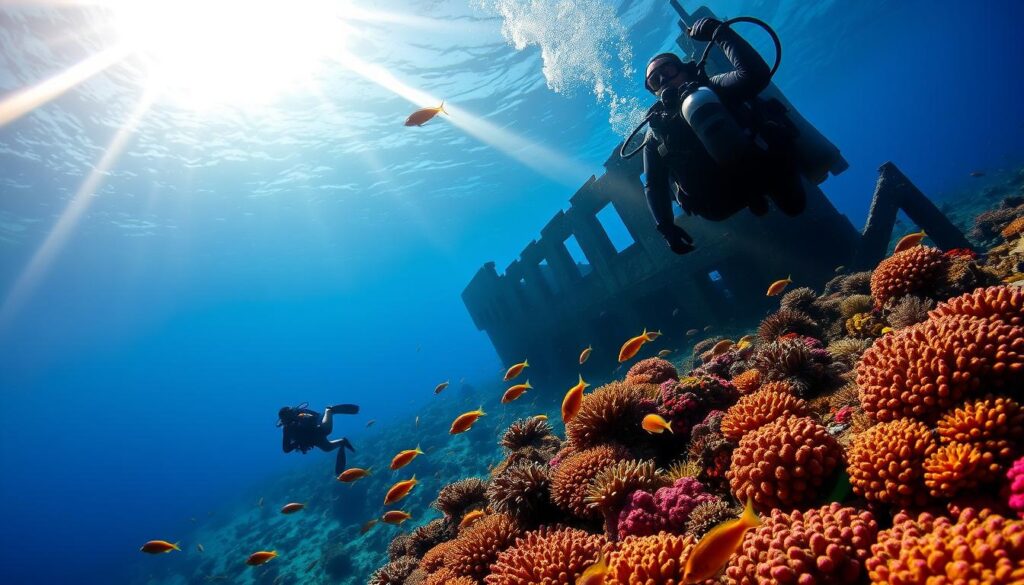
One in four fatalities in underwater sport links to a cardiac event, mainly among older participants a sober reminder that risk is real and medical cover can matter. You need clear, practical advice so your policy matches your plans and your budget.
This guide maps the main hazards from cardiac episodes to nitrogen narcosis below 30 metres and decompression sickness from fast ascents and shows how cover changes with depth and distance from land. Many policies only include shallow activity by default.
We explain when to add an Adventure & Sports Pack, the limits you must meet (an open water licence or a PADI‑accredited instructor), and what typical benefits look like, including overseas medical and evacuation. For a practical policy comparison and specialist activity add‑on details, see this concise guide: scuba diving insurance and cover.
Next: a simple action plan to pick the right policy, prepare your documents, and dive with confidence.
Table of Contents
- Why you need scuba diving travel insurance before you dive
- Scuba diving travel insurance Australia
- Depth limits, qualifications and when an additional premium applies
- What’s typically covered on a dive trip
- Common exclusions that catch divers out
- Risk check: real-world dive hazards and why cover matters
- Picking the right policy for your itinerary
- Proof, conditions and documents insurers expect
- How depth, distance from land and location affect your cover
- Costs to consider and how the additional premium is calculated
- If something goes wrong: claims and emergency help made simple
- Ready to get covered for your next dive adventure
Why you need scuba diving travel insurance before you dive
A short lapse or a wrong ascent can turn a holiday into an emergency, so your policy needs to match the real risks of going underwater. Standard plans often omit activity-specific cover, so check you have the right level of protection before you go.
Incidents include decompression sickness after a rapid ascent, nitrogen narcosis below 30 metres and cardiac events that make up about 25% of fatalities, mostly in older participants. Even experienced divers face these risks, so emergency response matters.
Many insurers provide overseas medical expenses, hospital assistance and evacuation when you’re abroad, but policies can exclude search and rescue or incidents involving alcohol, drugs or professional activity. If you ignore safety instructions or dive beyond your limits you may void your cover.
- Check qualification requirements and local rules before you book.
- Don’t fly for at least 24 hours after deeper dives insurers may deny claims if you do.
- Know how to contact 24/7 assistance so help is fast if an injury or emergency occurs.
Choosing the right travel insurance now can protect your wallet and keep your trip on track, so read the policy details and confirm covered events before you suit up.
Scuba diving travel insurance Australia
Make sure your policy matches your dive plan before you buy. Insurers segment activities by risk and often ask you to state planned sports at purchase, so you can’t add activities mid‑trip.
Read the Product Disclosure Statement (PDS) to check inclusions, exclusions, limits and sub‑limits. The PDS will show depth caps, distance‑from‑land rules and whether search and rescue is covered.
Choosing cover that fits your dive plan
Start by listing exact dives, depths and whether an instructor will supervise. Compare plan tiers side‑by‑side and note where an activity upgrade is required for deeper or offshore trips.
Reading the PDS now saves headaches later
- Confirm whether qualified divers are allowed to 30–40 metres and if proof is required.
- Lock in all adventure activities at purchase many policies won’t accept mid‑trip additions.
- Check excesses, luggage sub‑limits and direct billing versus reimbursement terms.
- Contact the insurer if wording is unclear and keep any written advice with your policy.
Insurers use depth bands and qualifications to set cover limits and extra charges for riskier dives.
Most basic policies auto-cover activity down to about 10 metres below the surface and within roughly 10 nautical miles from shore.
To go deeper typically 10–30 metres and further offshore you will need an adventure or Adventure & Sports upgrade. Qualified divers may extend cover to 30–40 metres with the right add‑on and proof of certification.
- You must hold an open water certification or be with a licensed instructor for discover sessions.
- Specialty or cavern dives often trigger an additional premium; check the PDS to see where the line is drawn.
- You generally cannot add activity upgrades mid‑trip upgrades must be bought before departure.
| Cover band | Typical depth | Proof required | Distance limit |
|---|---|---|---|
| Standard | to 10 metres | No | ~10 nm |
| Adventure upgrade | 10–30 metres | Open water or advanced cert | 10–15 nm |
| Specialty / Deep | 30–40 metres | Deep specialty or divemaster | Varies — check PDS |
What’s typically covered on a dive trip
Medical and logistical costs can mount quickly, so it helps to know which benefits your policy actually provides.
Overseas medical expenses, hospital care and evacuation
If you’re injured within the policy’s depth and distance limits, expect cover for overseas medical expenses and hospital admission. Evacuation to a suitable facility is normally arranged when medically necessary and approved by the insurer.
Trip cancellation and lost deposits
Cancellation benefits commonly reimburse non‑refundable costs when a covered event forces you to cancel. Keep booking receipts so you can lodge a clear claim for lost deposits.
Luggage and personal effects (including equipment limits)
Luggage and personal effects cover usually includes owned dive equipment but with modest sub‑limits (for example around $750). Note rental equipment is often excluded and items in use may not be covered.
24/7 emergency assistance
Emergency hotlines are available day and night to guide you to care, liaise with doctors and coordinate specialist evacuation or hyperbaric treatment if required.
- Compare benefit limits and excesses to pick the best cover for your planned metres and locations.
- Don’t assume search and rescue is included; check the policy wording.
Common exclusions that catch divers out
Exclusions often hide in plain sight, and a quick read of the policy terms can save you a lot of stress on holiday.
Many policies exclude professional or competitive activity. If you’re paid to work underwater or enter a sport event, your claim may be denied under those terms.
Search and rescue costs are often not included. That means if you need a costly retrieval, local authorities or you pay. Also, insurers regularly refuse claims when alcohol or drugs are involved.
Equipment in use is another common gap: owned kit being used underwater is often excluded, and rental equipment may carry no cover at all. Follow briefings and wear required safety gear failing to do so can void a claim for injury or emergency care.
- Don’t fly within 24 hours after deeper dives insurers commonly exclude related claims.
- Exclusions apply if you exceed depth or distance limits, or don’t disclose medical conditions.
Read policies carefully and, for specialist membership options and medical cover details, check DAN membership coverage: DAN membership coverage.
Risk check: real-world dive hazards and why cover matters
Real-world underwater hazards can escalate quickly, so you should know which risks could turn a routine session into a medical emergency.
Nitrogen narcosis below 30 metres and decompression sickness
Below 30 metres, nitrogen narcosis can affect judgement, cause hallucinations or even unconsciousness. That change in thinking raises the chance of errors and an injury.
Rapid ascents that skip safety stops commonly cause decompression sickness. This often needs hospital treatment and sometimes evacuation to a hyperbaric chamber.
Cardiac events in older divers and rapid ascents
About 25% of fatalities link to cardiac events, mainly among older divers. If you have heart concerns, get a medical check and confirm your policy wording.
Even well planned trips can go wrong because of currents, visibility or kit failures. Good cover helps on the day you need it, coordinating care and handling bills so you can recover.
- Match your planned metres and sites to your certification and gear.
- Keep ascent rates conservative and follow safety stops to reduce risk.
- If you push limits, reconsider many policies require you to stay within training boundaries.
Practical tip: check your travel insurance before you dive so logistics and costs are not left to chance.
Picking the right policy for your itinerary
Not all plan tiers handle the same risks, so choose one that matches each leg of your trip and the activities you plan.
Compare standard and higher‑tier options by checking medical, evacuation, cancellation and baggage limits. Insurers such as World Nomads split offers into basic and Explorer‑style plans with different benefit caps.
Make sure you specify every adventure activity before purchase. Many providers treat activities in levels and will not accept additions mid‑trip.
- Read the Product Disclosure Statement (PDS) and pds summary line by line for depth, distance and supervision terms.
- Decide if an additional premium is worth it for 30–40 metre or cavern sites and offshore liveaboard legs.
- Check whether the policy deals directly with hospitals or requires you to pay and claim later.
Keep a copy of the policy and PDS on your phone, note excesses and sub‑limits for cameras and computers, and confirm any pre‑existing condition requirements before you go.
Proof, conditions and documents insurers expect
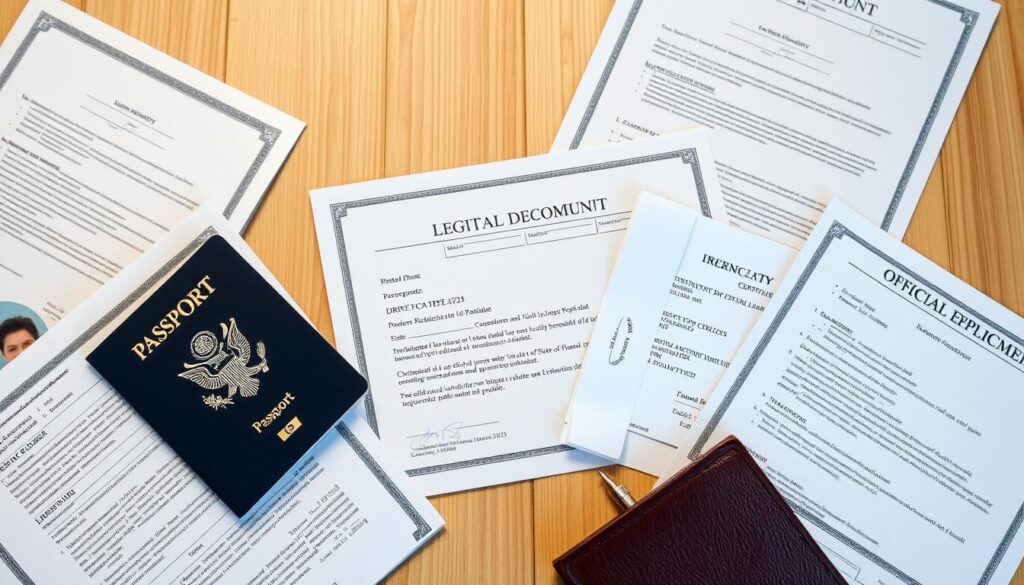
When you make a claim, clear paperwork is often the difference between quick approval and a long wait.
Insurers will want precise evidence that your activity matched the cover in your policy and that supervision or qualifications were in place.
Licences, instructor credentials and dive logs
Keep digital copies of any certificates that show you hold open water credentials or higher. These prove you were qualified for the planned activity.
If you did an intro or discover session, save proof of the instructor’s licence. A PADI‑accredited instructor card or operator note helps confirm supervision.
Maintain short dive logs with dates, sites and recorded depths. Assessors use these details to verify you stayed within allowed limits.
Receipts, medical reports and claim documents
Hang on to receipts for equipment, prepaid packages and liveaboard deposits as they support a financial claim.
For any treatment, ask for itemised medical reports, hospital invoices and evacuation records. These documents speed up assessment.
- Pair your documents with the relevant PDS extract and your policy schedule so the assessor sees the conditions at a glance.
- Collect incident reports for lost or damaged equipment from operators, police or carriers.
- File your claim promptly and back everything up to the cloud so you can access it anywhere.
How depth, distance from land and location affect your cover
How deep you go and how far you are from shore directly shape the benefits your plan will provide.
Metres below the surface and nautical miles from land
Your policy’s depth allowance in metres is central to whether a claim will be accepted. Most plans automatically include shallow activity to about 10 metres and roughly 10 nautical miles from shore.
With an adventure pack, cover commonly extends to 10–30 metres and 10–15 nautical miles. Beyond about 30 metres or farther than 15 nm is often excluded unless you hold a specialty certificate.
- Match sites to limits: map planned metres and distance before you go.
- Plan for changes: weather or operator choices can push you deeper or offshore.
- Multiple days: if your itinerary varies by day, check each day’s profile so you don’t accidentally breach limits.
Diving in Australia vs overseas: medical cover implications
As an Australian resident, note that some providers do not cover medical treatment for incidents that occur while you are in the country. Overseas, you will usually rely on your travel insurance cover provided dives stay within stated parameters.
Evacuation benefit matters where a hyperbaric chamber is remote. Also avoid flying within 24 hours after deeper dives insurers often link claims to compliance with that rule. Check the PDS and carry proof such as open water diving certificates and logged depths.
| Policy type | Typical metres | Distance from land | Proof required |
|---|---|---|---|
| Standard | to 10 metres | ~10 nm | No |
| Adventure upgrade | 10–30 metres | 10–15 nm | Open water diving or advanced cert |
| Deep / specialty | 30+ metres (usually excluded) | >15 nm (often excluded) | Deep specialty or divemaster proof |

Costs rise when your planned metres, remote sites or specialty environments need extra cover — know what pushes the premium up.
Insurers sell adventure and adventure+ options to price higher‑risk activity into a single policy. If your plan includes deeper profiles or complex sport, an additional premium will be added to reflect higher medical and evacuation exposure.
The additional premium applies when you step beyond basic recreational limits. Expect this for 10–30 metres upgrades and again for deeper profiles such as 30–50 metres or cavern sites to about 40 metres.
Underwriters factor in metres, remoteness, required supervision and certification. For the deepest or most complex sites you’ll often need accredited guides and strict proof of training before the extra charge is approved.
Bundling multiple activities on one policy
Many providers let you bundle several adventure activities on one schedule at purchase. Bundling can be cheaper and simplifies claims and documentation if you mix water sport with trekking or cycling.
- Some brands won’t allow mid‑trip additions; others accept changes by phone before departure.
- The final premium reflects plan tier, trip length, destinations and the set of activities you pick.
Read the Combined FSG/PDS and note the terms and sub‑limits so you only pay for the cover you need. Get quotes with and without add‑ons to compare value before you commit.
If something goes wrong: claims and emergency help made simple
If something goes wrong on your trip, quick action and clear paperwork make the difference between a fast recovery and a slow, disputed process.
Getting to hospital and contacting assistance
Prioritise urgent care. Go to the nearest hospital first and get treatment.
Then call your insurer’s 24/7 assistance team to coordinate care and, where possible, set up direct billing.
Sample assistance numbers: +61 2 8263 0470 or +61 2 8292 1470 (reverse charges accepted).
Submitting your claim and what to expect
Keep every receipt, medical report and operator statement. These details support a smooth claim.
- Paying on the day: clinics may ask for payment; keep receipts for reimbursement.
- Evacuation: if a chamber is needed, the assistance team can arrange transport when the benefit and conditions allow.
- Equipment: photograph damaged gear before it is moved, even though kit in use is often excluded.
File your claim online with a clear timeline. Attach your policy schedule, activity choices (including any additional premium) and all supporting documents.
Ready to get covered for your next dive adventure
strong, Before you head out, confirm your cover matches the exact metres, supervision and kit you’ll use.
Pick a travel insurance cover that lists depth bands in metres, distance rules and whether an additional premium applies for deeper profiles. Make sure overseas medical expenses, evacuation and cancellation for covered events are included at sensible limits for your holiday.
Keep in mind luggage personal effects sub‑limits for kit most providers won’t cover gear while it’s in use. Hold open water certification or ensure your discover sessions are guided by a licensed instructor so your policy conditions are met.
Scan the PDS, save copies to your phone and compare two or three quotes with the same itinerary. With cover sorted, you can focus on planning the next dive and enjoying the trip.
✈️ Explore More Travel Insurance Comparisons
View All Travel Articles → Backpacking Adventures Await in Australia

Get rock-climbing travel protection USA for Your Next Adventure

extreme adventure medical insurance Canada: Protect Your Adventures

Adventure sports travel insurance USA: Protect your trip

Mountain Hiking Travel Insurance UK: Protect Your Trip
Go up
Leave a Reply