
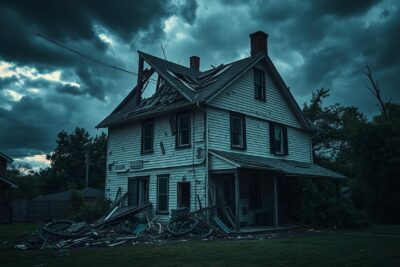
Natural Disaster Coverage Australia: Insurance for You
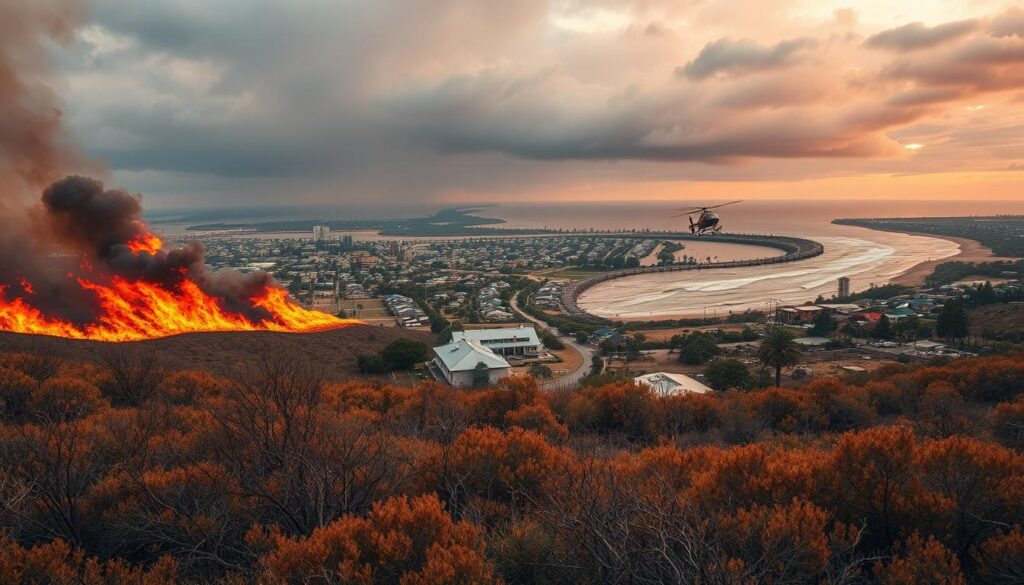
Around 10,000 homes and businesses were damaged or destroyed in the Mid North Coast floods alone. That single figure shows how quickly risks can affect your property and your plans.
You need clear, practical information to pick the right insurance and avoid surprises at claim time. This guide gives you a plain‑English buyer’s view of home insurance, what typical policies do and don’t cover, and how to match limits to real rebuild costs.
You’ll learn how to assess local risks using council advice, your insurer and state emergency services. We explain common waiting periods and exclusions, so you know when a policy will help and when gaps may remain.
Alongside this overview, find links to trusted resources for storm, flood and fire advice and for property‑owner policy notes so you can act with confidence.
Start here and get simple steps to protect your home, reduce underinsurance and keep your peace of mind.
storm, flood and fire advice · property owner policy notes
Table of Contents
- Why natural disasters make home insurance essential in Australia
- Understanding your property’s risk before you buy or renew
- What’s covered: storm, flood and fire in Australian home insurance
- Costs, excess and limits: shaping your insurance policy
- natural disaster coverage Australia: how to review, compare and claim
- Take confident steps to protect your home and peace of mind
Why natural disasters make home insurance essential in Australia
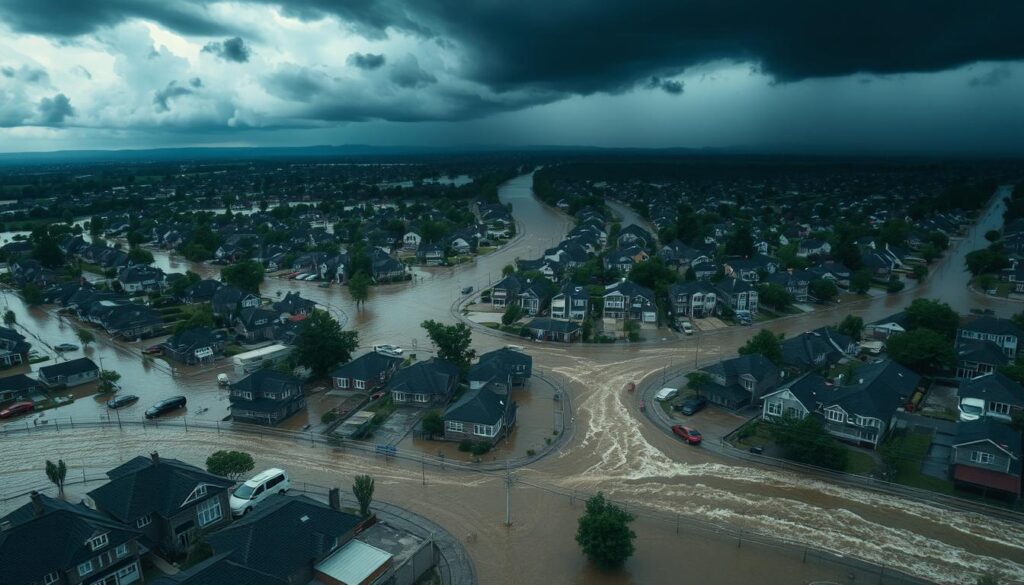
Rising storm and flood events are increasing repair bills and pushing many homeowners to reassess their protection. Extreme rainfall has grown up to 10% stronger in some regions, and major storms and flooding now occur more often than decades ago.
Rising frequency and costs of floods and storms
Over the past decade, insured losses from severe floods and storms totalled about $18.9 billion. That figure excludes uninsured damage and wider economic loss.
- About 1.2 million homes have some flood risk; roughly 4.4% face a 1–5% annual flood probability.
- NSW recovery spending rose from $154 million (2013–18) to $1.6 billion since 2019, showing rising community cost.
- Insurers price risk by micro‑location, so two nearby homes can see very different premiums.
| Event type | Estimated insured loss (10 yrs) | Key takeaway |
|---|---|---|
| Severe storms | $9.5 billion | Frequent claims raise premiums in high‑risk areas |
| Major floods | $9.4 billion | Many homes face partial or full rebuild costs |
| Relief & recovery spending | $1.6 billion (annual, recent) | Higher community costs mean more pressure on public funds |
"You should view insurance as a financial safety net that absorbs large, unexpected damage bills."
When you choose policies, use reliable data and government summaries. For wider reform context and recommendations, see the executive summary of national insurer reforms.
Understanding your property’s risk before you buy or renew

A quick local risk check can stop surprises and keep your insurance aligned with the true exposure.
Start with your council planning portal and state emergency services for flood maps, historical records and a Bushfire Attack Level (BAL). These sources give initial information about site risks, but they are not always complete.
About 72% of households said they could not access council flood studies online or were unsure. Insurers draw on the Insurance Council’s National Flood Information Database and internal models, which is why your premium or policy terms may differ from a neighbour’s.
HILDA showed 96% of homes had some insurance, yet only 59% reported flood cover and many hadn’t updated cover in the last year. This awareness gap means you should verify assumptions before you buy or when you review policy limits.
- Ask councils for plain‑language summaries of flood studies or request copies if not online.
- Confirm with your insurer how they treat run‑off and overland flow, and whether flood is included or optional.
- Use calculators and take replacement estimates to your insurer when you review policy limits; see a guide to building and contents insurance for more details: building and contents insurance.
| Source | What it shows | Action |
|---|---|---|
| Council flood studies | Local flood lines, historical events | Request copies or summaries if not online |
| Insurer databases | Underwriting risk and premium drivers | Confirm model results with your insurer |
| BAL rating & state portals | Bushfire exposure and hazard maps | Use BAL for building measures and policy questions |
For rental or unit buyers, check specialist guides on insurance for shared buildings: apartment insurance. Verifying facts now helps avoid costly surprises later.
What’s covered: storm, flood and fire in Australian home insurance

Insurance words matter: read the definitions so you know when a claim will succeed.
Storm cover basics
You’ll typically be covered for storm events under both home insurance and contents. This usually includes lightning, cyclones, strong wind, hail, snow and rainwater.
Some policies explicitly include rainwater run‑off and overflow from stormwater drains. Check for sub‑limits and maintenance conditions—insurers may deny claims if wear and tear contributed to damage.
Flood cover explained
Flood usually means the covering of normally dry land by water that has escaped from rivers, lakes, reservoirs, canals or dams. This definition is different from rainwater run‑off.
In high flood risk areas, your flood cover may be excluded or priced separately. Read the PDS and ask your insurer how they treat flooding and flood cover options.
Fire and bushfire cover
Most policies pay for damage caused by flame. Smoke, heat, ash or soot alone may be excluded.
Common exclusions include fires started within 72 hours of a new policy, intentional acts, negligence and non‑compliant installations. Document any safety upgrades to help with future claims.
Read the PDS: events, exclusions and waiting periods
- Confirm which events your policy lists as covered and which are exclusions.
- Check waiting periods and any sub‑limits for roof, gutters or contents.
- Keep photos, receipts and disclosure paperwork to speed up a claim.
"Always read the Product Disclosure Statement to see exactly what is and isn’t covered."
For a clear buyer guide to storm, flood and fire insurance, see storm, flood and fire insurance.
Costs, excess and limits: shaping your insurance policy
How much you pay each year comes down to premium drivers, your excess choice and the limits you set. Insurers now face higher reinsurance charges, rising rebuild costs and more frequent severe events, and that pushes many premiums up faster than wages.
Choosing a higher excess will reduce your annual cost, but it increases what you must pay immediately after a claim. Pick an excess you can afford on short notice.
- Why premiums rise: insurers pay more for reinsurance, materials and labour, and back‑to‑back storms or floods raise expected claims.
- Balance excess and cover: higher excess = lower premium; lower excess = more predictable out‑of‑pocket costs after events.
- Avoid underinsurance: set realistic sums insured for home and contents. Include demolition, debris removal and updated building codes in your rebuild estimate.
Many homeowners trim benefits to lower cost, but that can leave gaps when you need help most. Instead, fine‑tune sub‑limits, shop policies annually and ask your insurer about risk‑reduction credits.
Use calculators and compare options and check whether flood insurance is included, optional or excluded. These steps reduce the chance of a shortfall after floods or other events.
natural disaster coverage Australia: how to review, compare and claim
An organised review makes comparing policies faster and improves your chance of a smooth claim outcome.
Your annual review checklist: policy limits, flood cover and exclusions
Run a short checklist each year before you renew. Confirm the sum insured for the building matches current rebuild costs.
Update contents limits to reflect recent purchases and high‑value items. Keep a digital copy of your PDS and disclosure documents.
- Verify whether flood is included, optional or excluded and check waiting periods or sub‑limits.
- Note any new risks (drainage changes, roof work) and discuss them with your insurer so your insurance policy reflects the property.
Use calculators to estimate rebuild and contents replacement costs
Use reputable tools such as the Insurance Council of Australia calculators to estimate building and contents needs.
Compare quotes only when cover is equivalent; lower premiums can hide narrower cover that may not be useful after severe events.
Claims and temporary accommodation: renewals while you’re not at home
If you live in temporary accommodation while a claim is assessed, tell your insurer and keep paying renewals to maintain continuity of cover.
Contact your insurer early to open a claim, ask about temporary accommodation benefits, preferred repairers and excess payable.
Claim readiness matters: photograph rooms, save receipts, record serial numbers and store disclosure paperwork to speed assessment.
| Task | What to check | Action |
|---|---|---|
| Sum insured | Rebuild estimate includes demolition & updated codes | Adjust policy sum and get a professional quote if unsure |
| Flood & events | Is flooding included or optional; waiting periods | Confirm PDS details and ask insurer for clarity |
| Claims readiness | Photos, receipts, serial numbers, PDS copy | Store digitally and share with your insurer when you lodge a claim |
For detailed legal insight on flood options, see flood insurance guidance. If you’re new to buying home cover, this homeowner guide helps you weigh options and avoid underinsurance.
"Keep your insurer informed about where you are staying; you may be entitled to temporary accommodation benefits while a claim is processed."
Take confident steps to protect your home and peace of mind
Set a simple reminder to review your insurance each year and avoid costly surprises.
Check your policy limits, exclusions and flood cover against the true rebuild cost for your home and contents. Compare quotes on like‑for‑like cover, not just price, so you know what an insurer will pay in urgent cases and over time.
Ask your insurer for plain‑English answers about complex areas such as flood insurance and get confirmations in writing. Keep key documents in the cloud and tell your insurer if you change occupancy or move into temporary accommodation during a claim.
You can learn more about being financially prepared from trusted guides like Are you financially prepared? and practical tips on home cover from this homeowner insurance guide. These steps help protect your property, reduce damage risk and keep your peace of mind.
🏠 Explore More Home Insurance Guides
View All Home Articles → Is Your Home Covered? Storm Damage Home Insurance

Protect Your Home with Earthquake Insurance Canada
Protect Your Property with Disaster Protection for Landlords Australia
Protect Your Home with Flood and Fire Insurance USA

Emergency Home Recovery Insurance USA: Get Covered
Go up
Leave a Reply